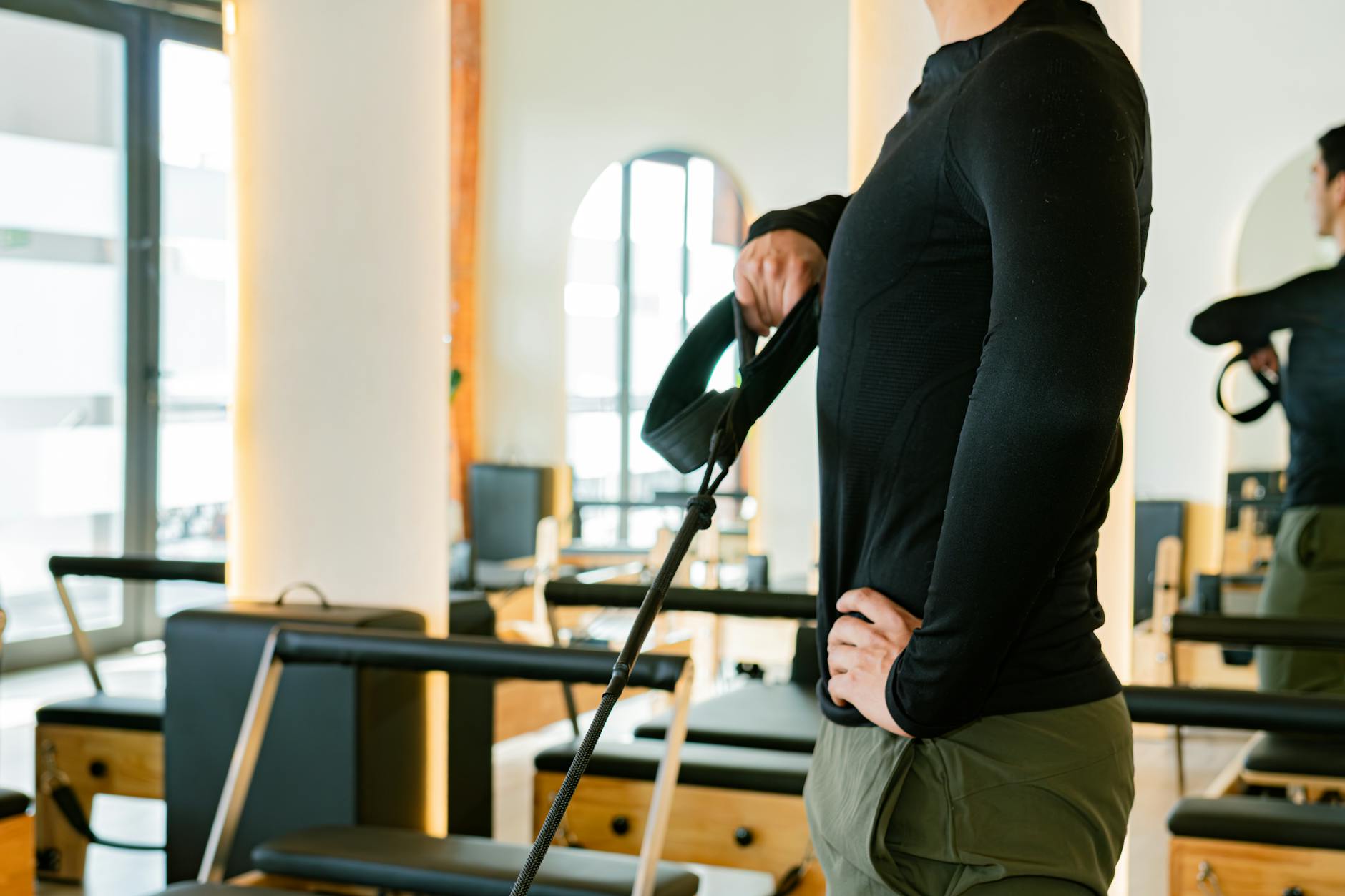
When your hands start gripping the straps harder, that’s not effort — it’s compensation. The fingers curl tighter, the forearm braces, and something that was working through the shoulder and scapula quietly hands the job to whatever is closest and willing. It happens fast, and most people don’t notice it because the movement still looks fine from the outside.
This is one of the more reliable signals a practitioner can track: grip quality degrades before form visibly breaks down. By the time someone’s losing their scapular connection on the Rowing series or their arms are pulling rather than reaching on the Long Box, the hands usually gave it away several repetitions earlier. Tight, white-knuckled fingers. A forearm that’s bracing for a load the hand shouldn’t be carrying.
The reason this matters for recovery is that grip fatigue points to something systemic, not local. It’s rarely the hands that are tired. It’s the posterior chain not stabilizing the shoulder, the lats not engaging to anchor the movement, or the whole session having run a few repetitions past where the body could actually sustain the work with integrity. In that context, pushing through isn’t training — it’s asking the periphery to cover for a center that has already tapped out.
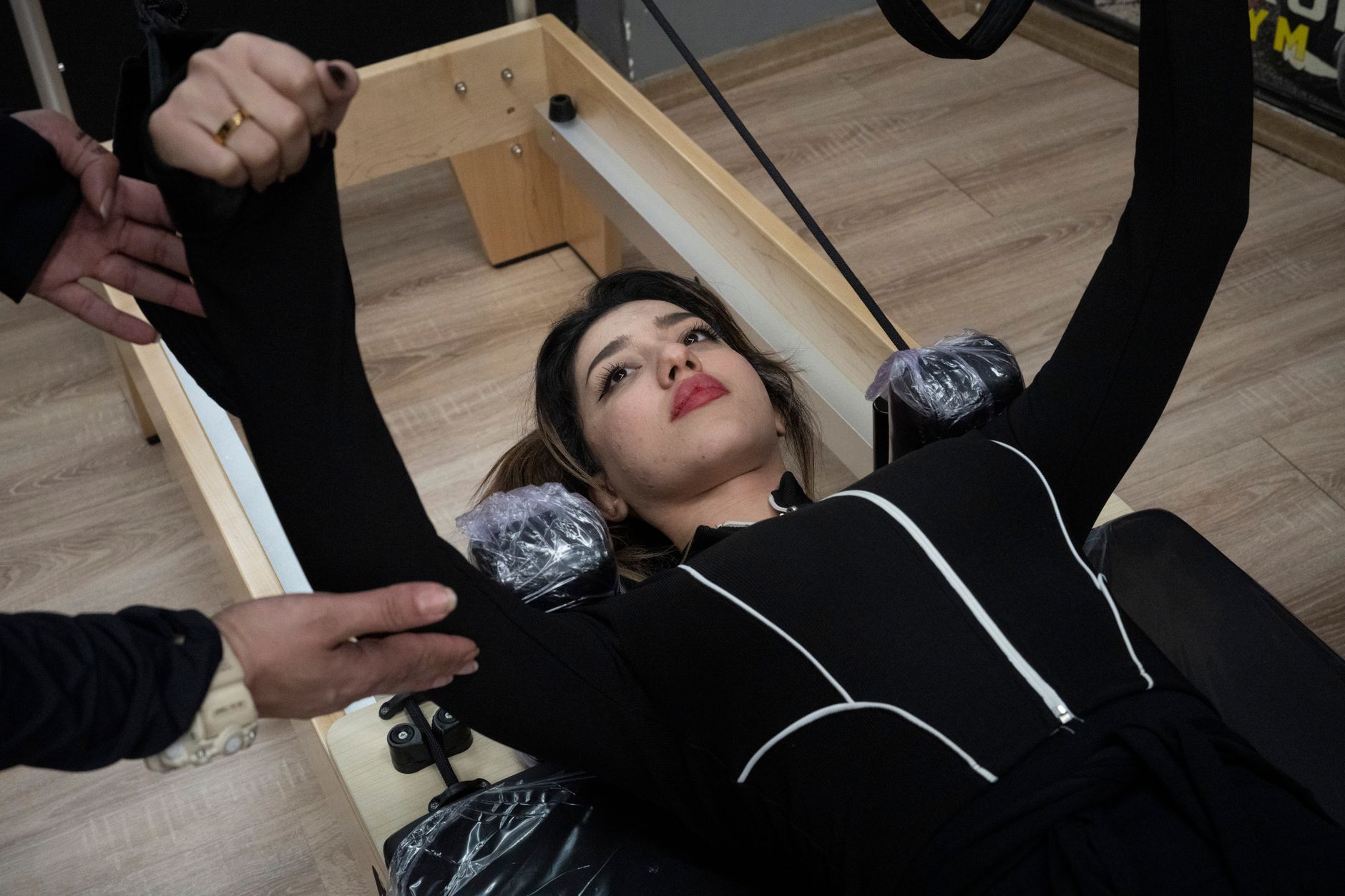
What to Do With That Information
The useful response isn’t to squeeze harder or to shake the hands out and keep going. It’s to back the work down one level — lighter spring, shorter lever, fewer repetitions — and ask whether the scapulae can actually move independently from the arms again. If they can, continue. If the grip returns immediately when the work resumes at its previous level, the session is done. Not abandoned. Done. That distinction matters for how a practitioner and a client relate to the body’s signals over time.
Rest here doesn’t mean lying on the mat. It might mean finishing with footwork, where the arms aren’t loaded, and letting the nervous system come back to a baseline before leaving the studio.
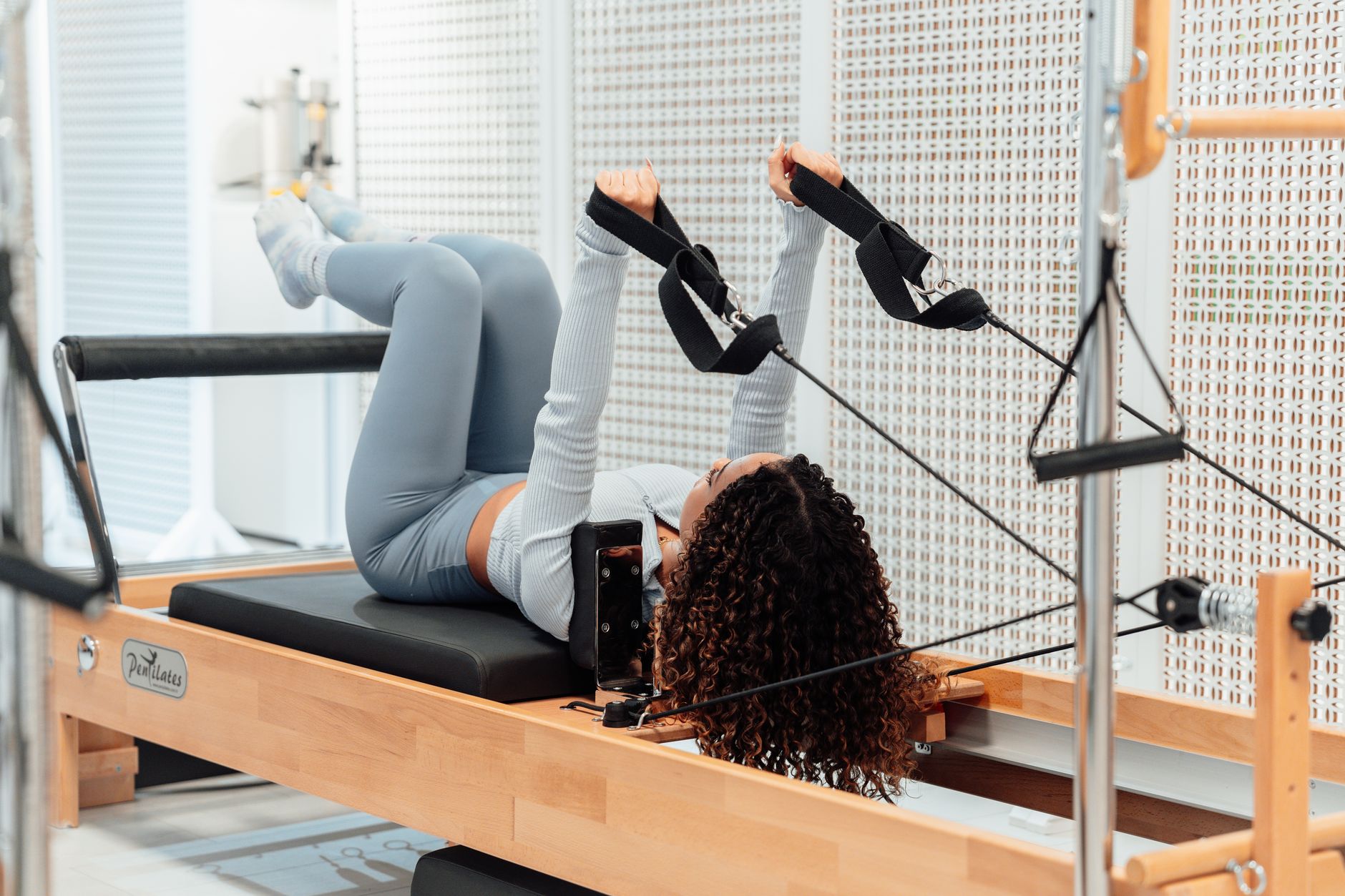
The Breath Connection
Grip and breath are linked in a way that isn’t always obvious. When someone is bracing through the hands, they are almost always also holding in the ribcage — not a full inhale and not a full exhale, but a kind of fixed middle position that reads, to the body, as threat management. Releasing the jaw, softening the tongue off the roof of the mouth, and allowing a full exhale through the back of the ribcage will often reduce grip tension without the client consciously trying to open their hands.
This is not a relaxation technique. It’s a reset of the pressure system — the same principle that makes lateral breathing in Pilates functional rather than decorative. The hands are downstream of the breath. When the breath is held, everything downstream braces.
Noticing grip is a practical recovery skill, not an abstract one. It’s available in every session, on every apparatus, without any additional tools or tracking.