The Heel That Won't Load Is Telling You Something About Your Lumbar Spine
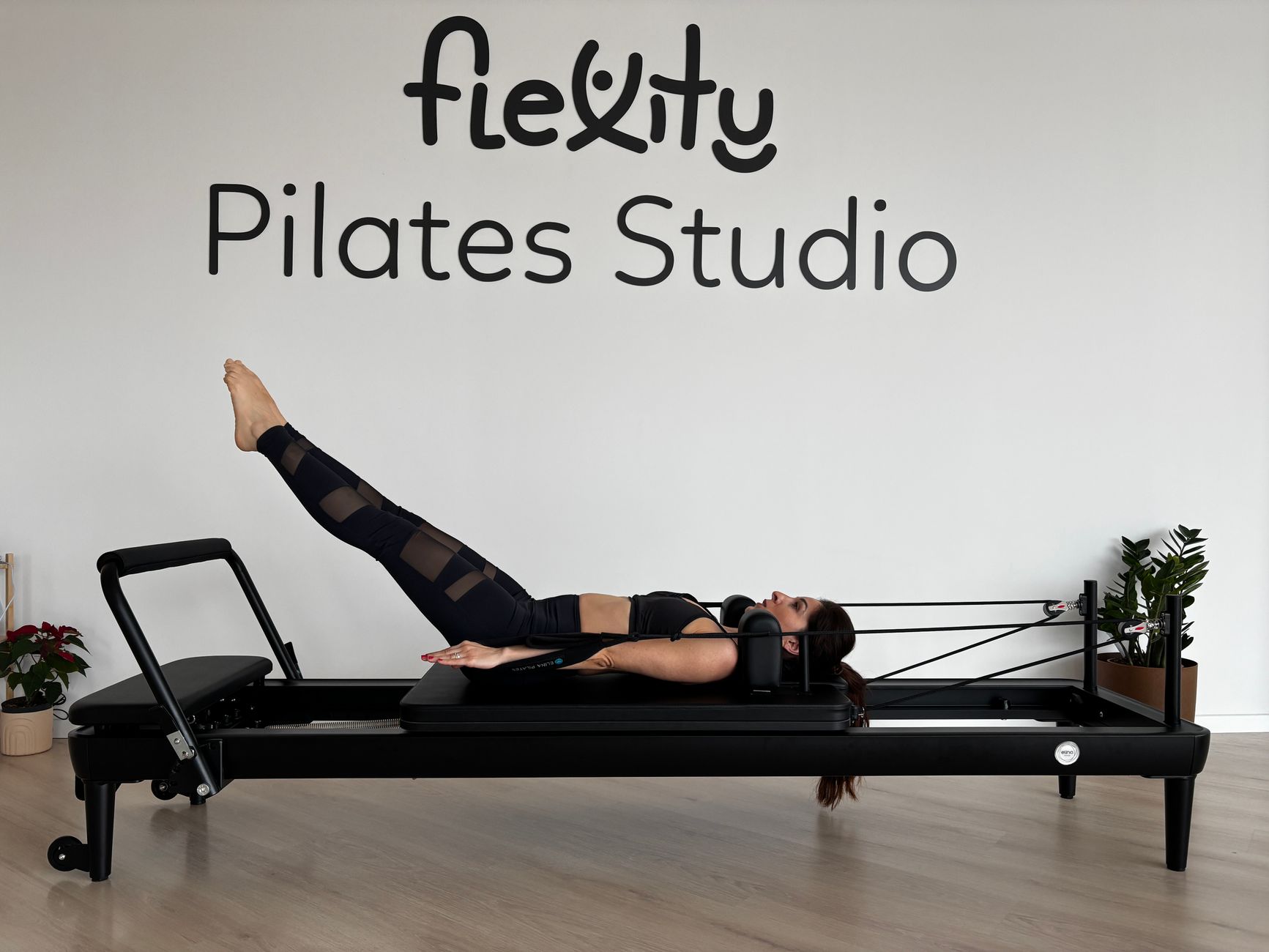
A heel that refuses to bear weight isn't a foot problem. It's a signal — and Classical Pilates gives you the tools to read it.
Read →The work is in doing it
52 posts
A heel that refuses to bear weight isn't a foot problem. It's a signal — and Classical Pilates gives you the tools to read it.
Read →
What you eat two hours before a Pilates session shapes how your body responds to every cue — more than most people want to admit.
Read →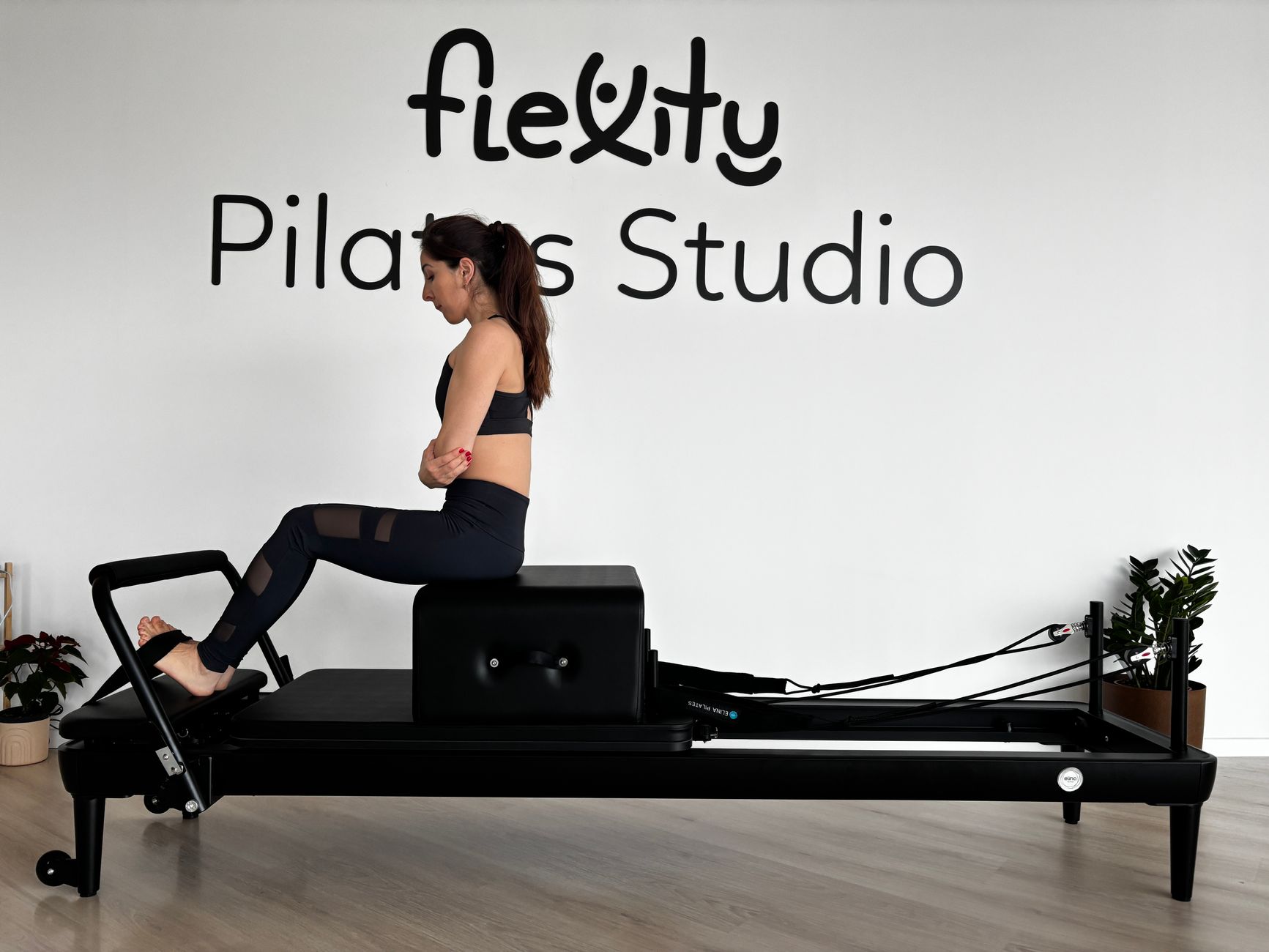
Fatigue in Pilates reveals something the first two sets never could — where your attention actually lives.
Read →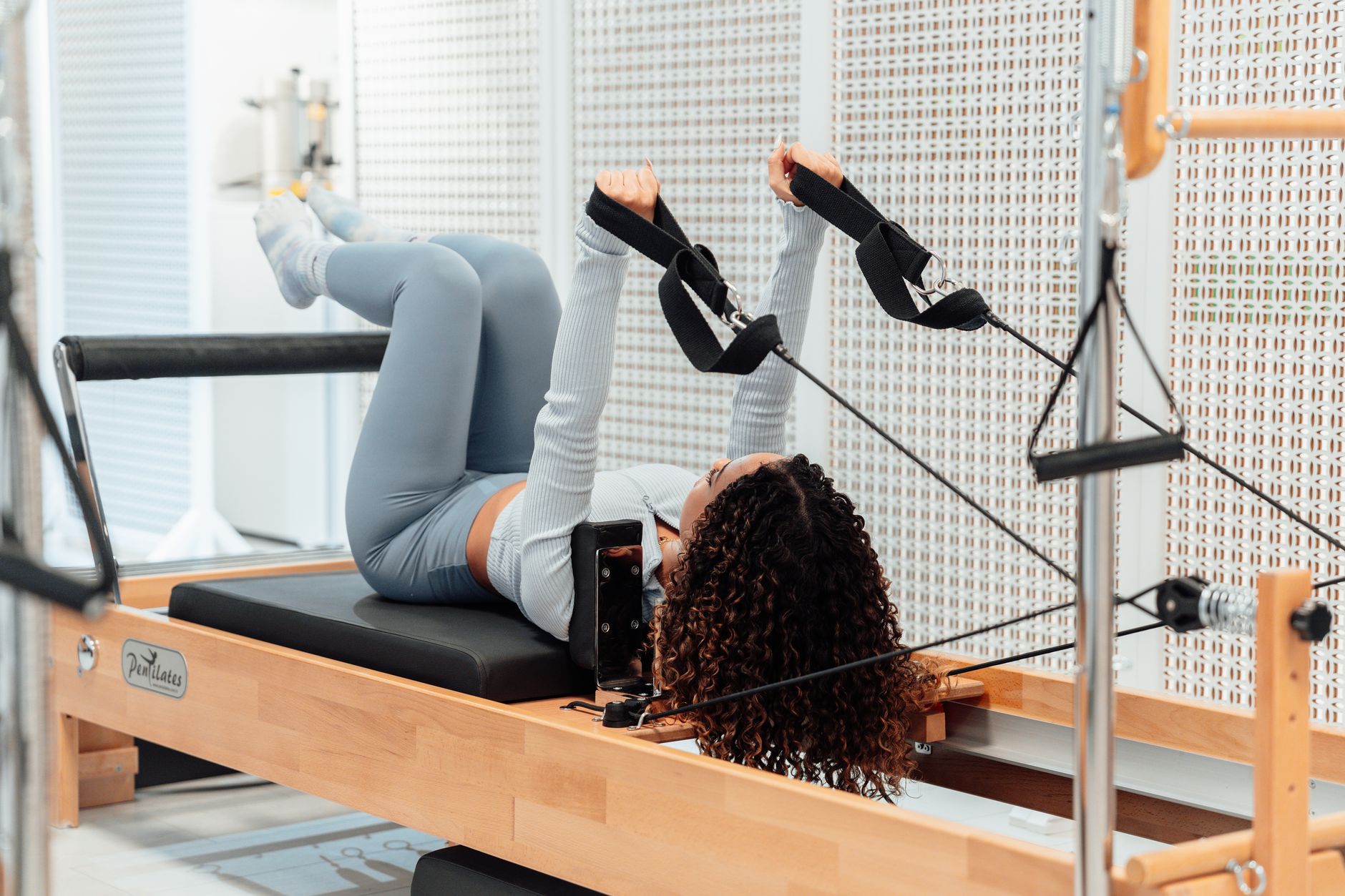
The Long Stretch looks like a plank. It isn't. What's actually being asked of you goes well beyond holding position.
Read →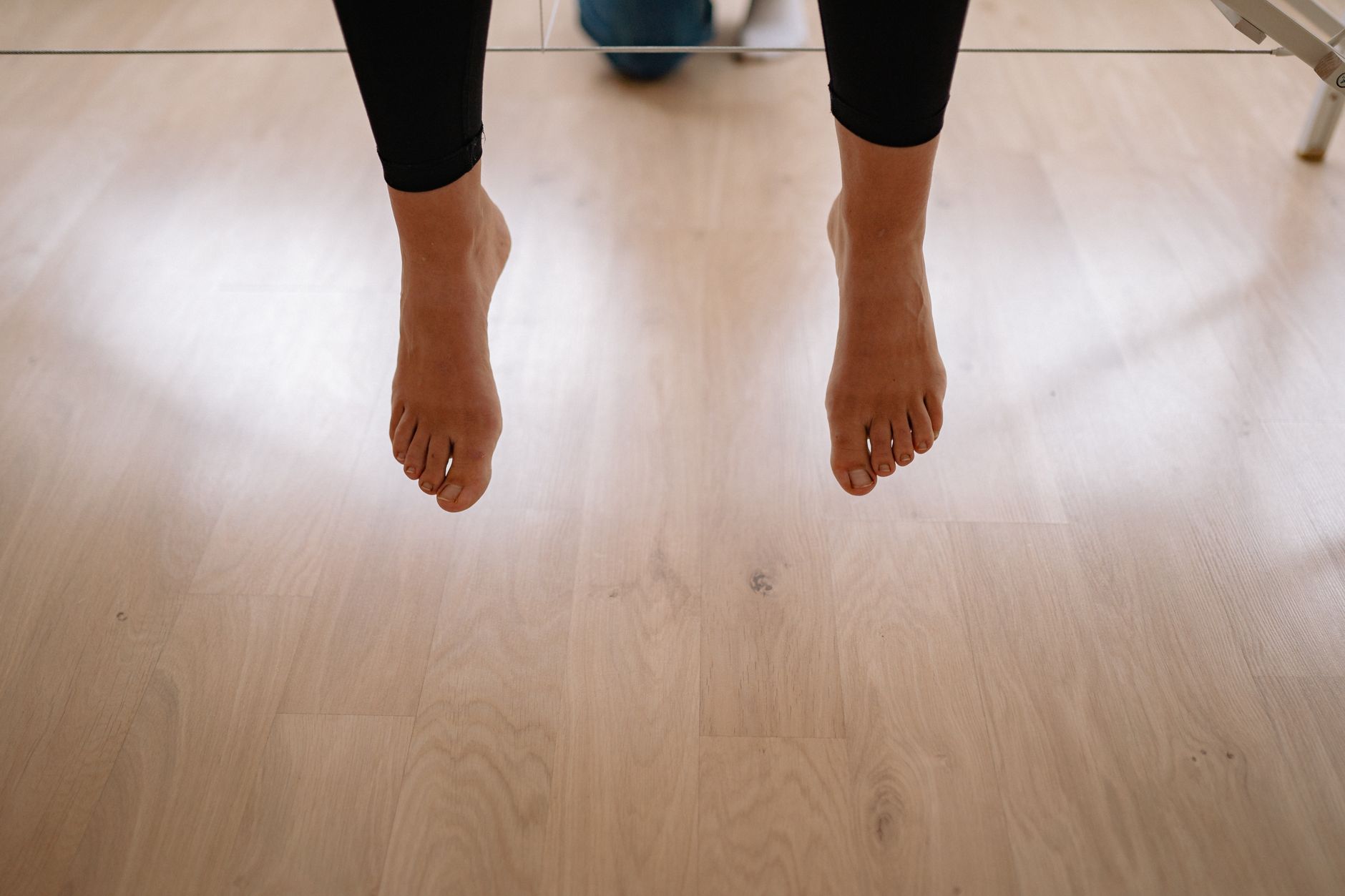
Proprioception starts at the sole. What your feet feel underfoot tells your entire system how to organize itself — and most of us have stopped listening.
Read →
What you eat before a Pilates session matters less than when you eat it — and most people get the timing completely wrong.
Read →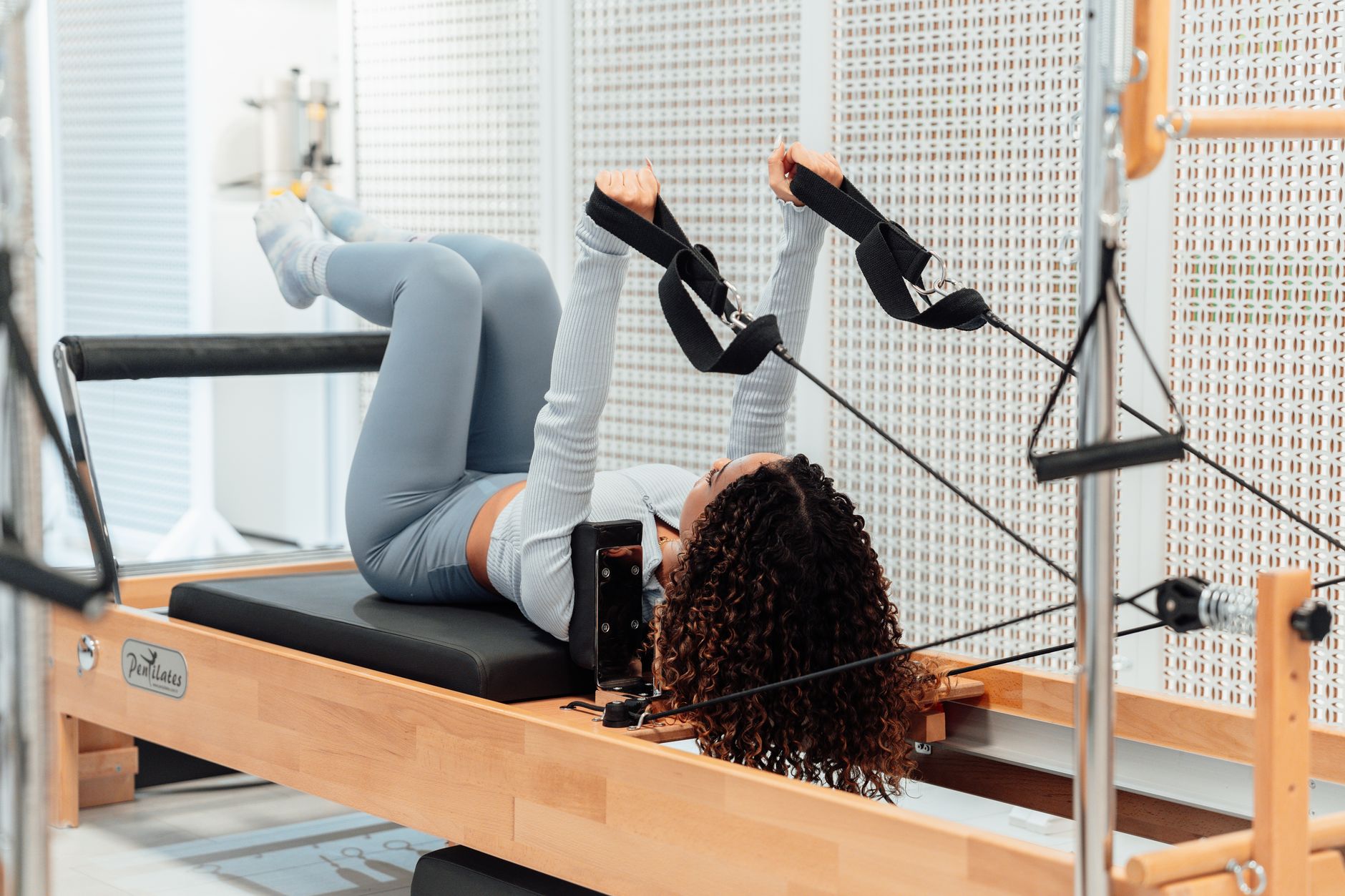
Most people push against the footbar. The ones who learn to listen to it find out something uncomfortable about how they actually move.
Read →
The first repetition in any Pilates exercise is often performance. The second one starts to tell the truth.
Read →
What happens to your connective tissue between Pilates sessions matters as much as what happens on the apparatus.
Read →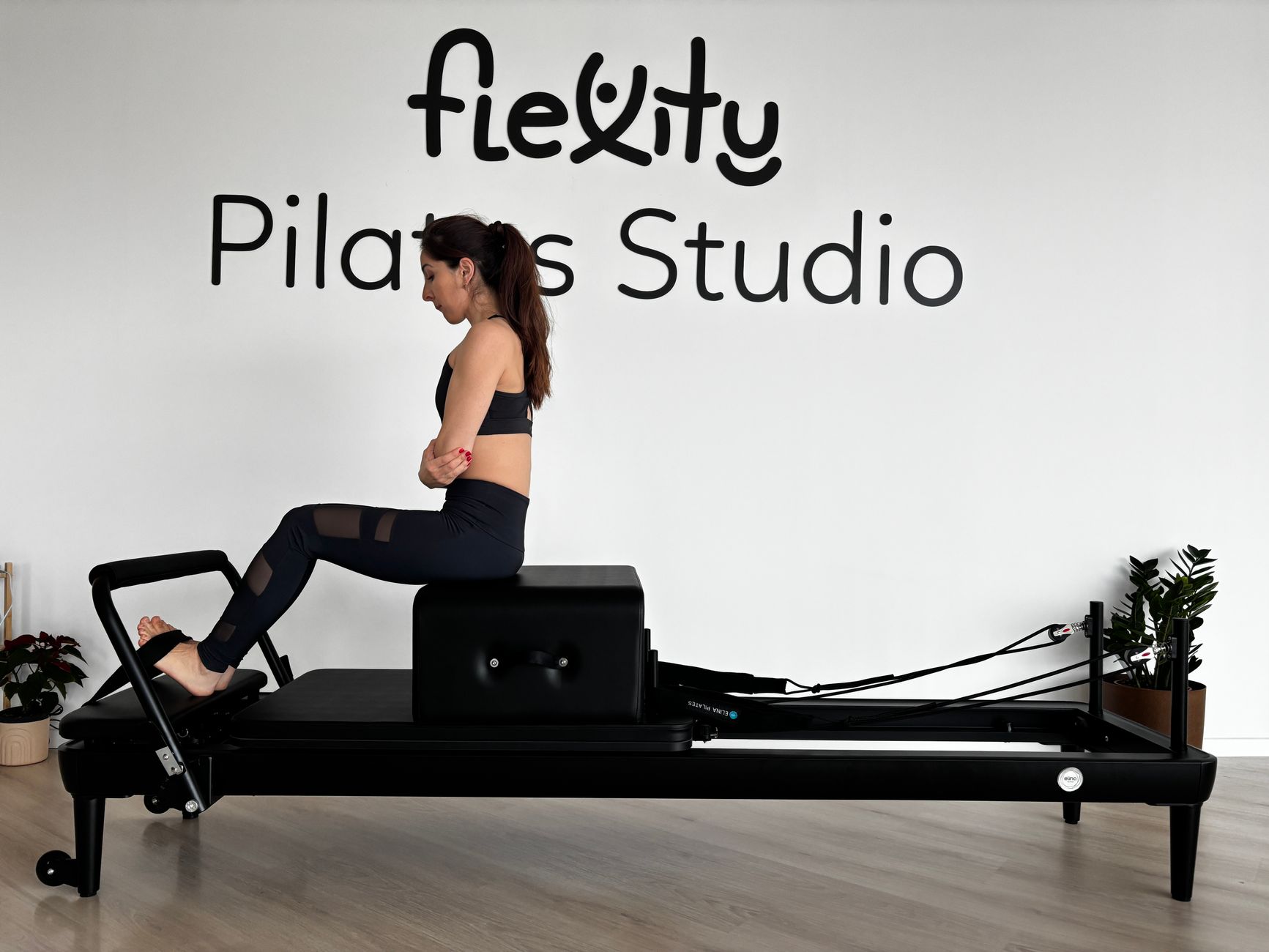
If the ribs are flaring, the breath is shallow, and the session is compromised — before a single exercise begins.
Read →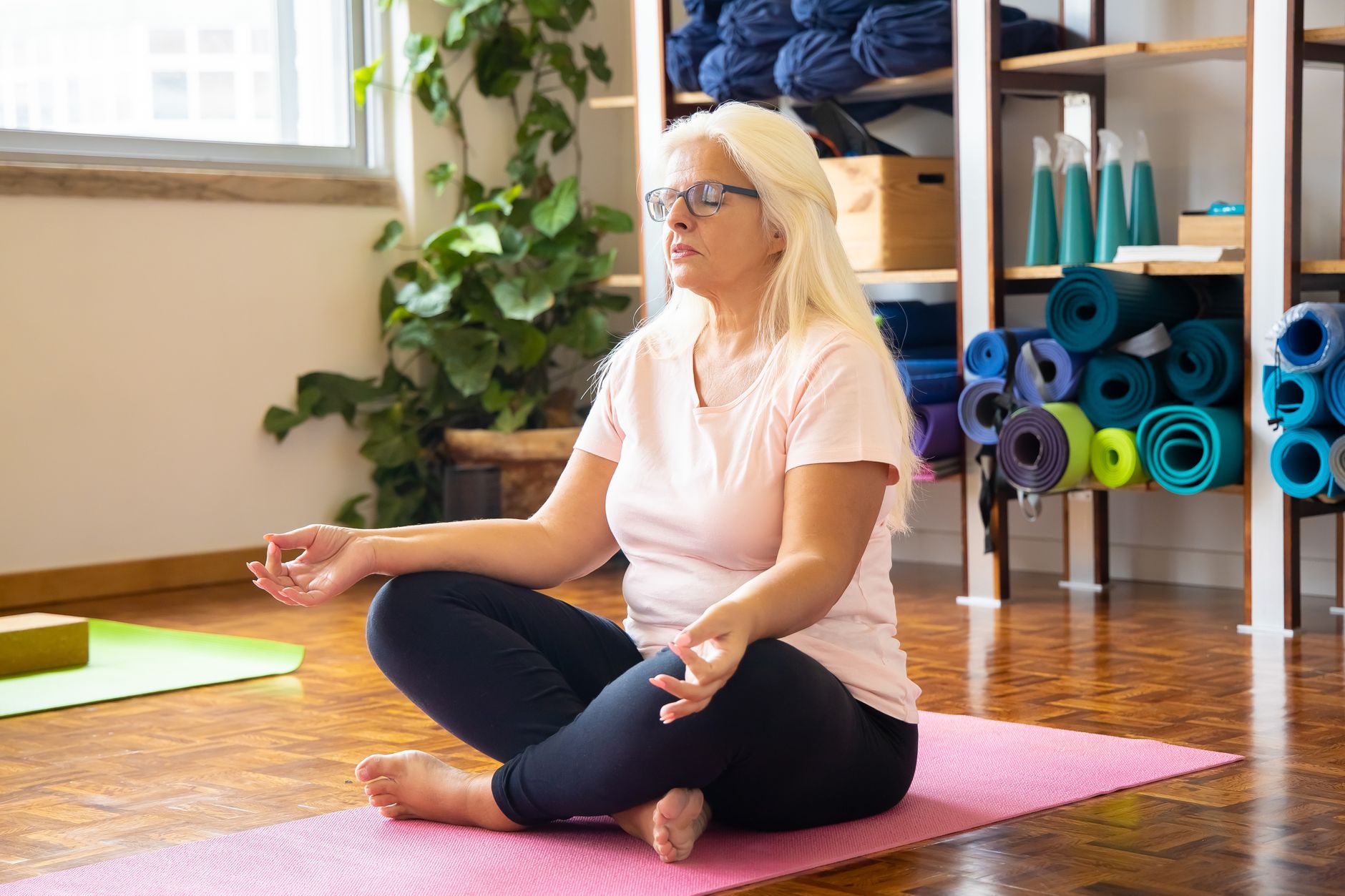
The state you walk in with determines what your body can actually do. Classical Pilates works with that — if you let it.
Read →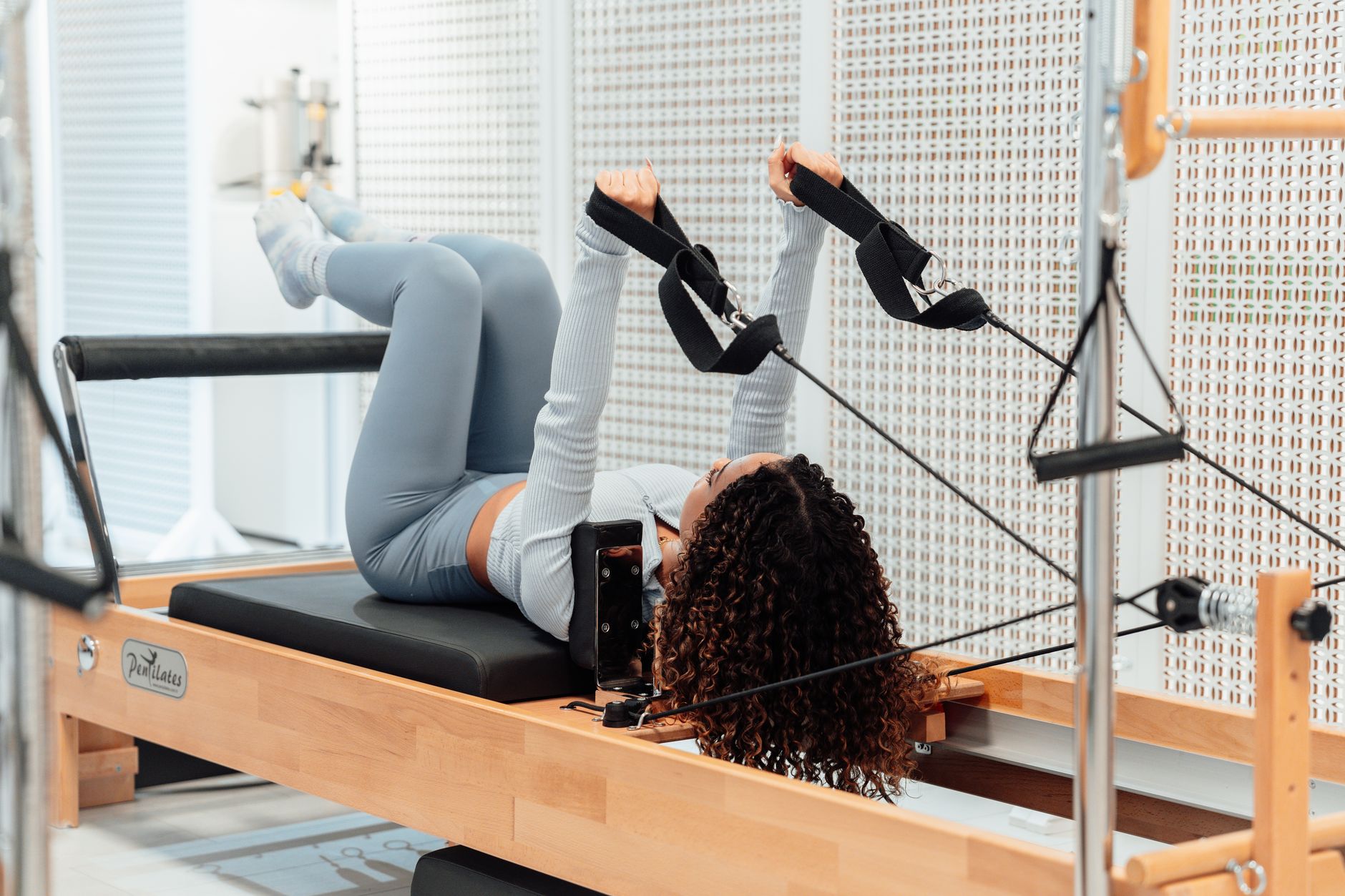
Most students treat the Elephant as a hamstring release. Classical Pilates has a different agenda entirely.
Read →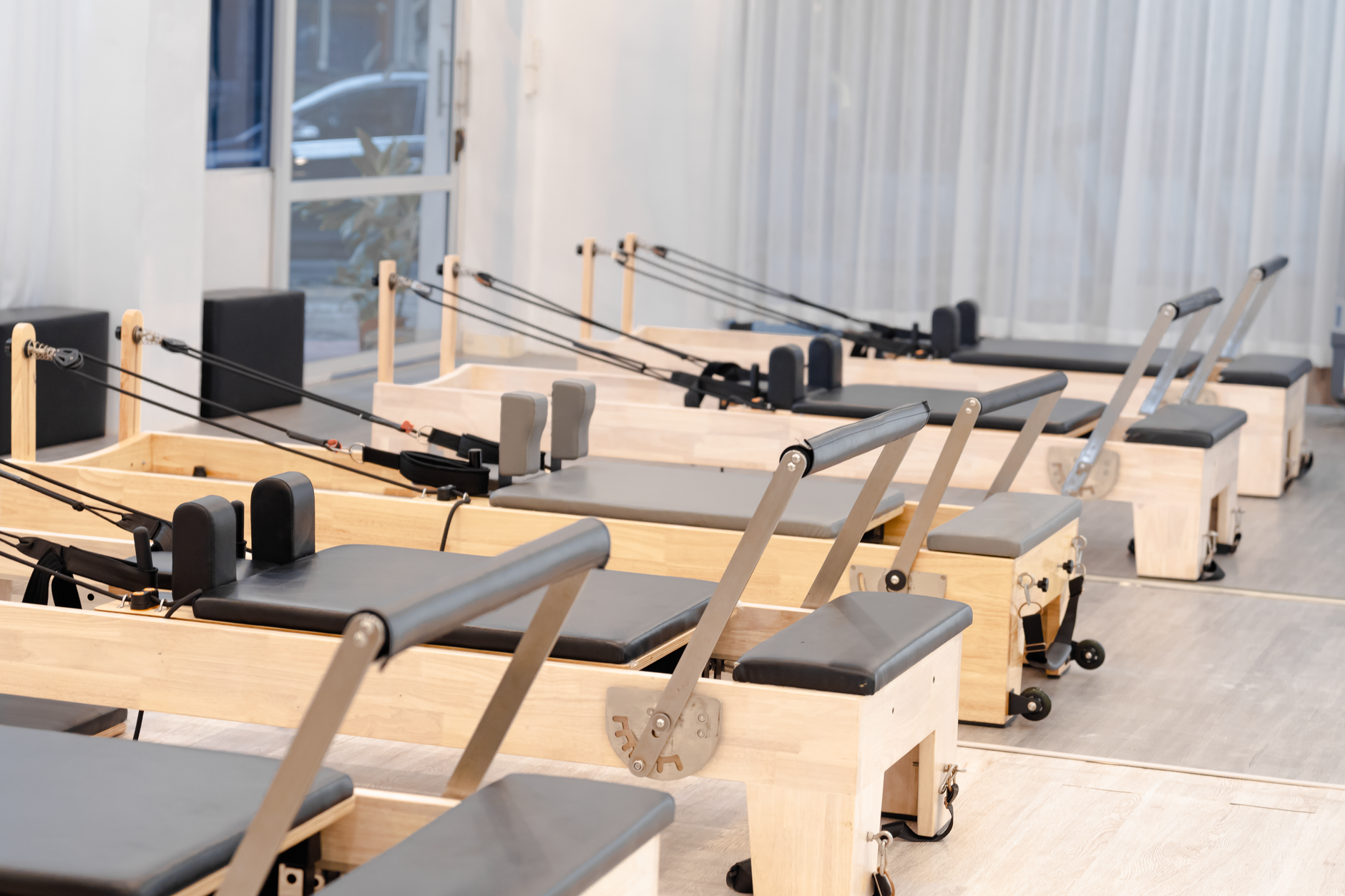
The long box on the Reformer strips away every postural habit you've built. What's left tells you exactly where you actually are.
Read →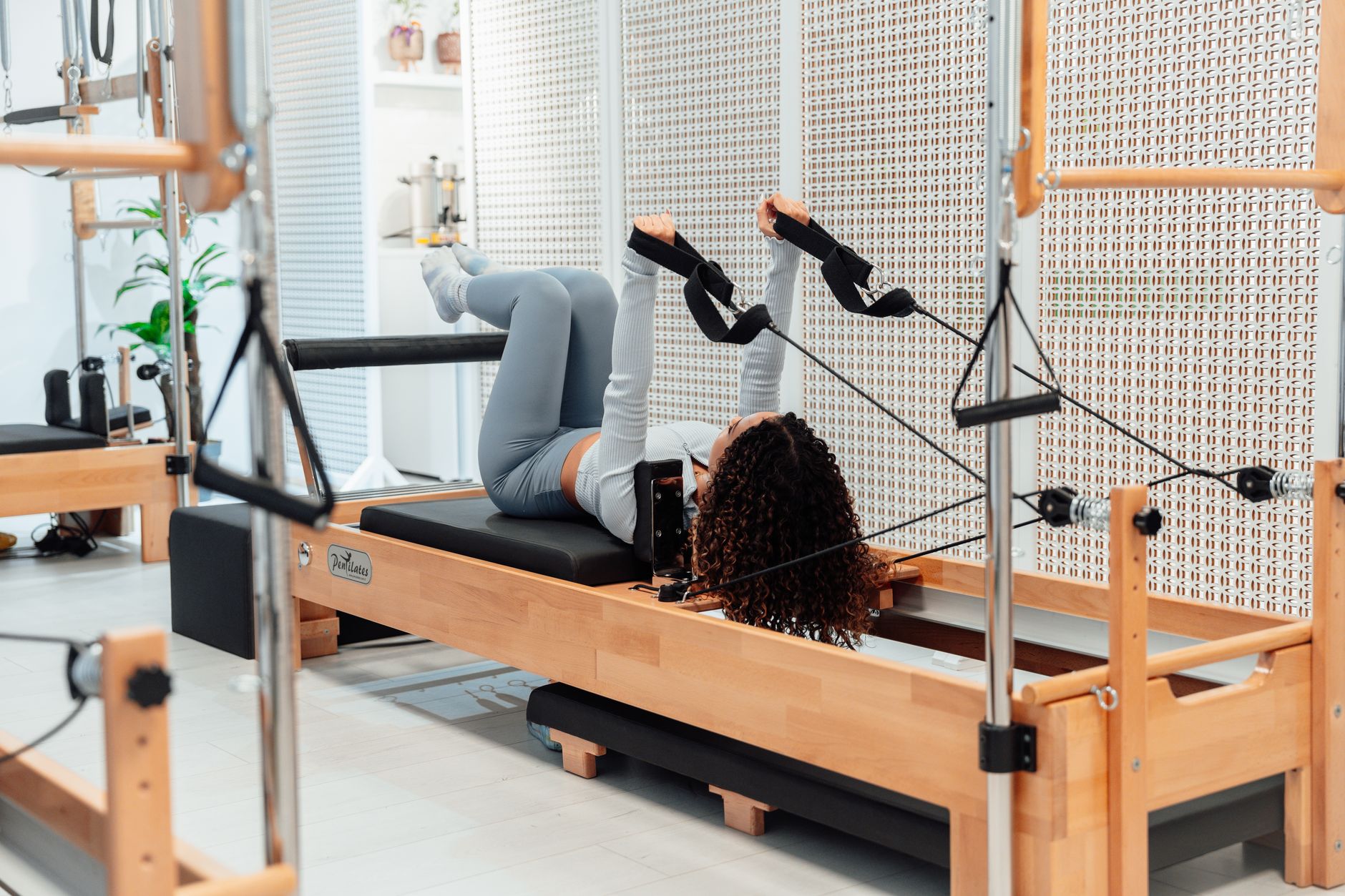
If your shoulders climb toward your ears the moment your arms go up, the serratus anterior is probably not doing its job.
Read →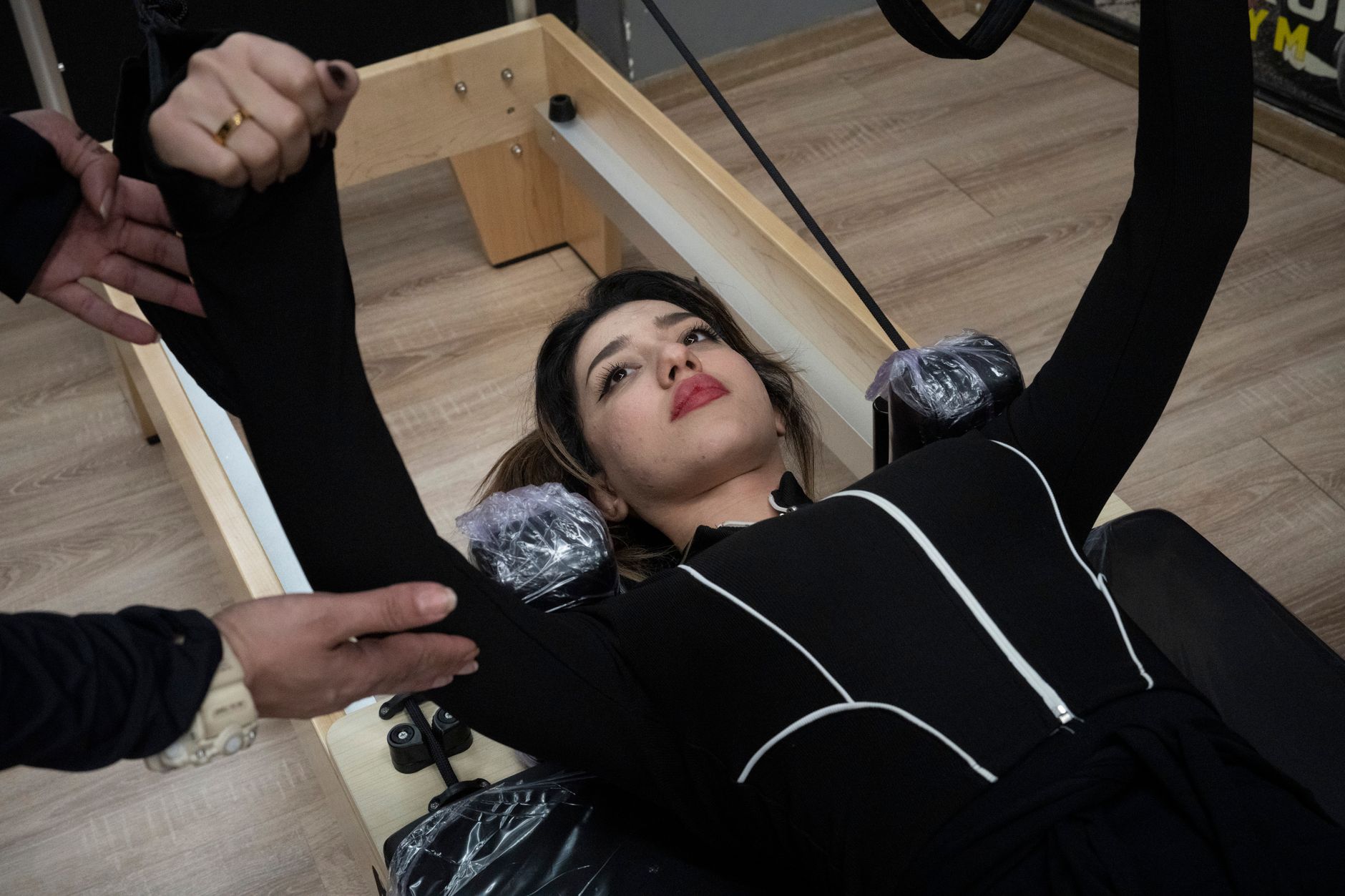
Held breath and tight hands aren't separate habits — they're the same pattern, and the Reformer exposes it every time.
Read →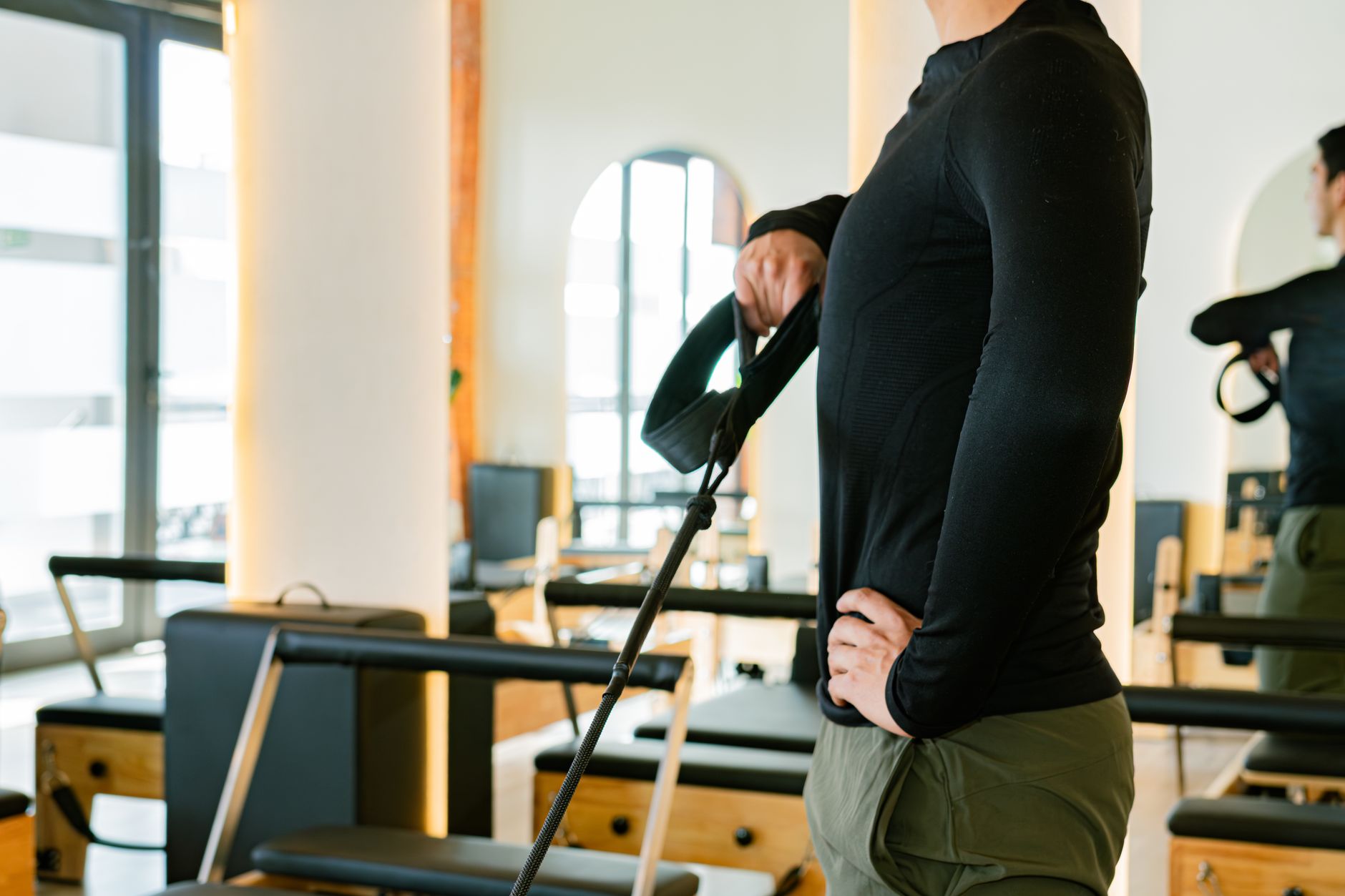
Wrist discomfort in Pilates is rarely about the wrists. It's a message from upstream — and the shoulders are usually the ones sending it.
Read →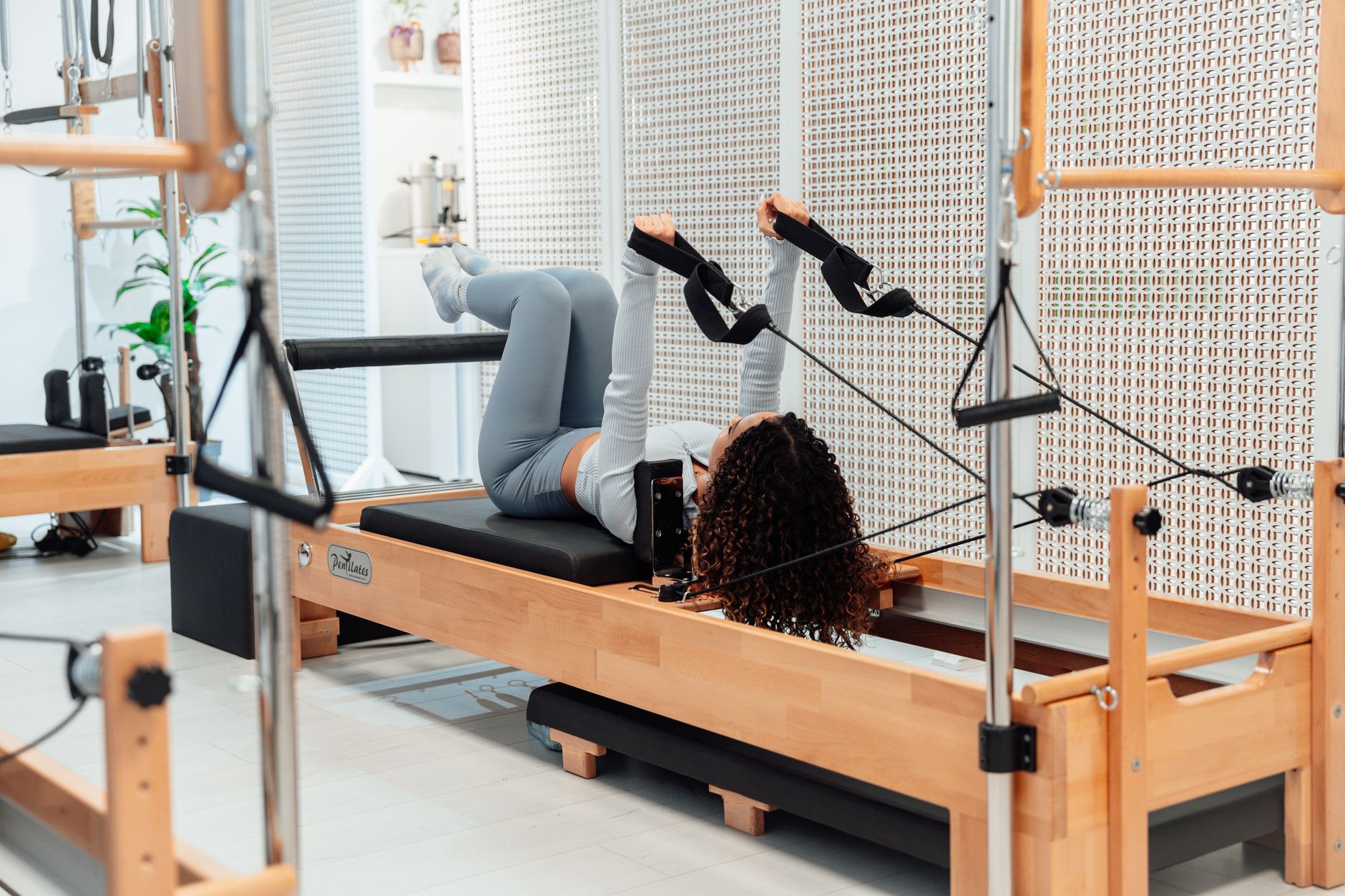
The Snake is one of the most misread exercises in the Classical repertoire — and flexibility has almost nothing to do with it.
Read →
Hydration isn't a wellness cliché — it's the difference between connective tissue that moves and tissue that drags.
Read →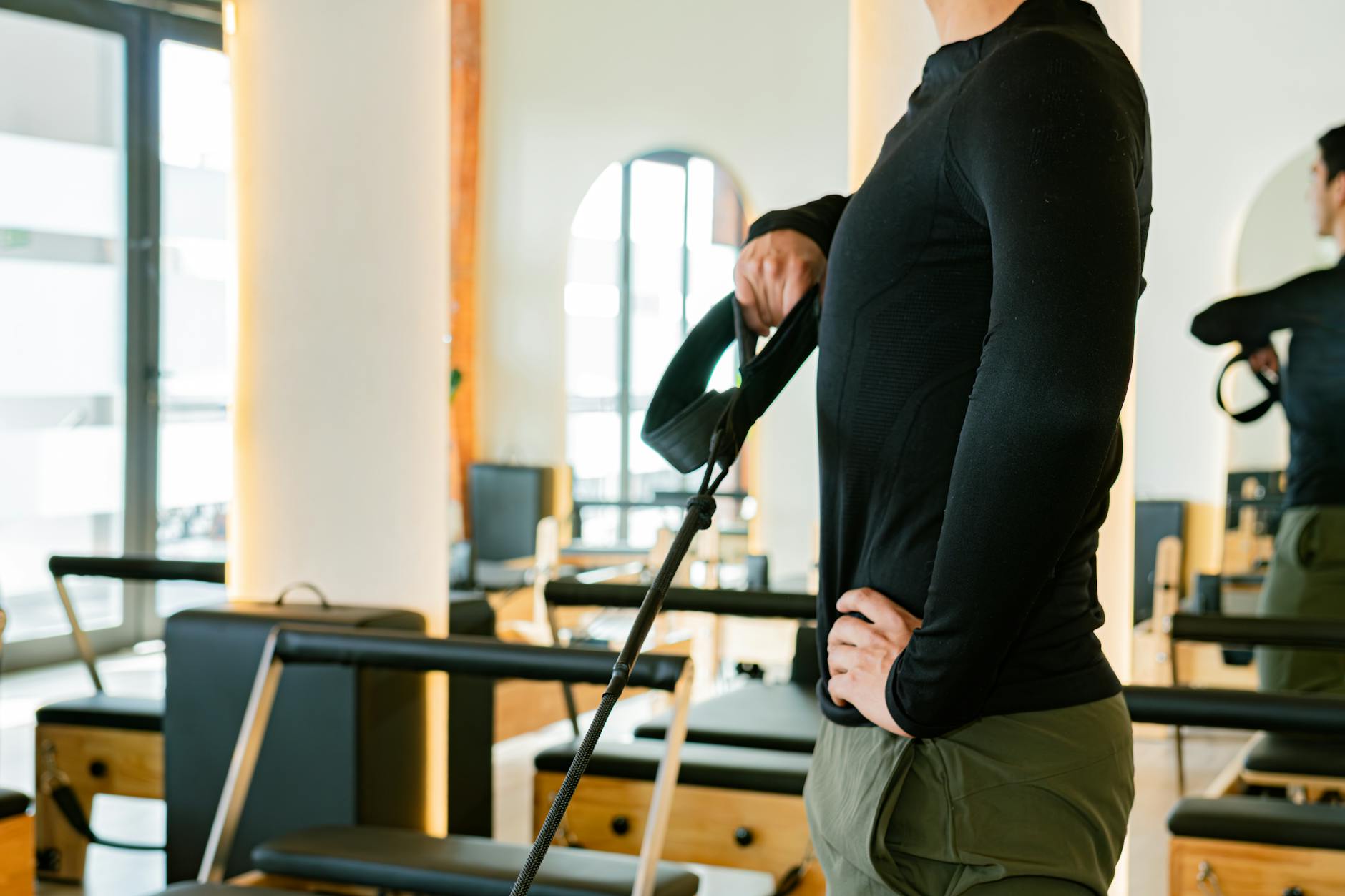
When your hands start gripping the straps harder, that's not effort — it's your body negotiating around fatigue you haven't acknowledged yet.
Read →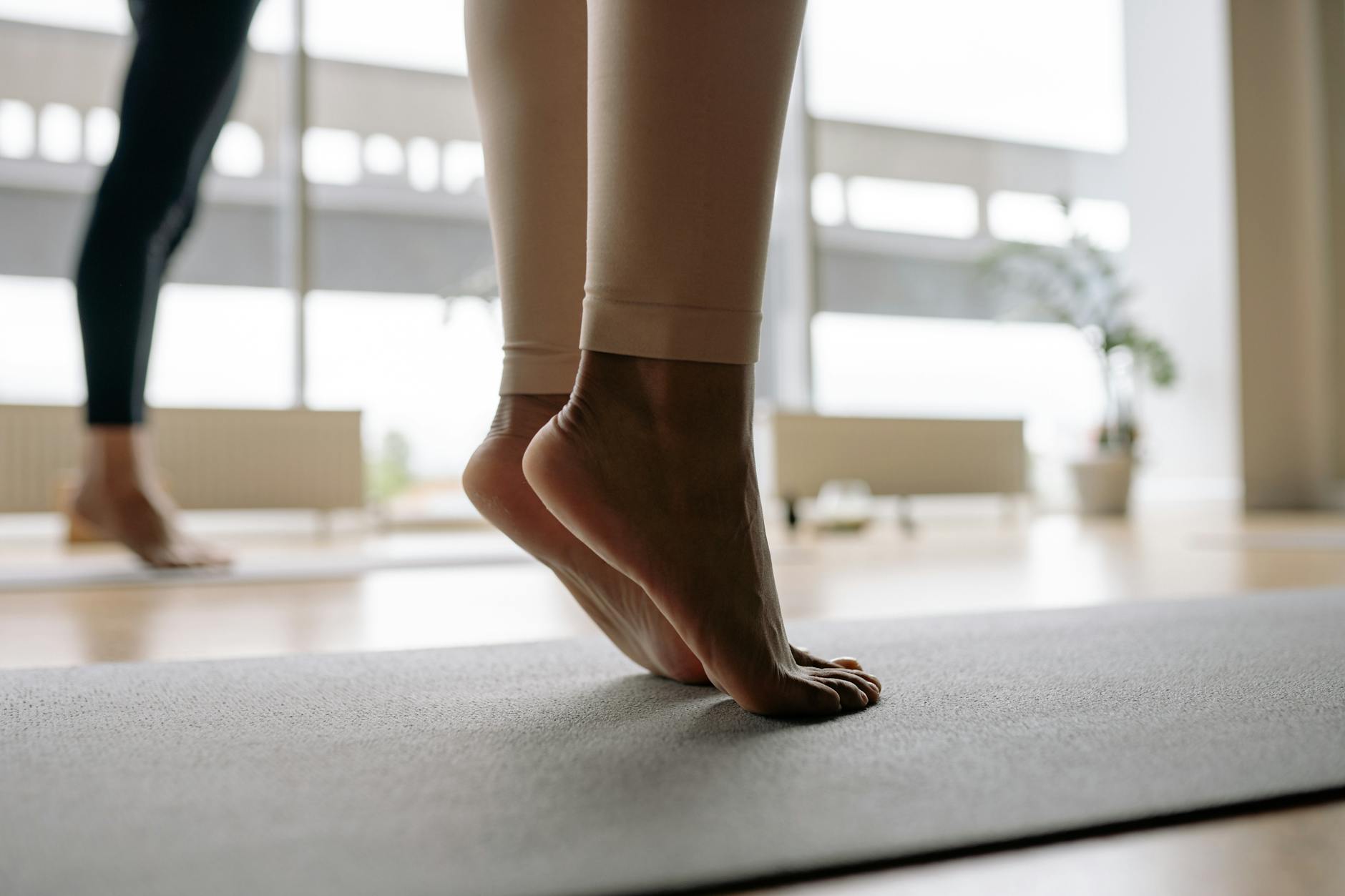
The first movements of the day set a pattern. Classical Pilates has something specific to say about what that pattern should be.
Read →
Recovery isn't passive. In Classical Pilates, what happens between sessions shapes what's possible in the next one.
Read →
The moment you drop the rep count and actually feel the movement, something shifts. Classical Pilates demands that kind of attention.
Read →
Ten minutes of walking before a Pilates session isn't warm-up filler - it changes what your body brings to the work.
Read →The Hundred isn't a warm-up in the generic sense. It's a specific demand placed on the body before anything else in the mat order - and that placement is deliberate.
Read →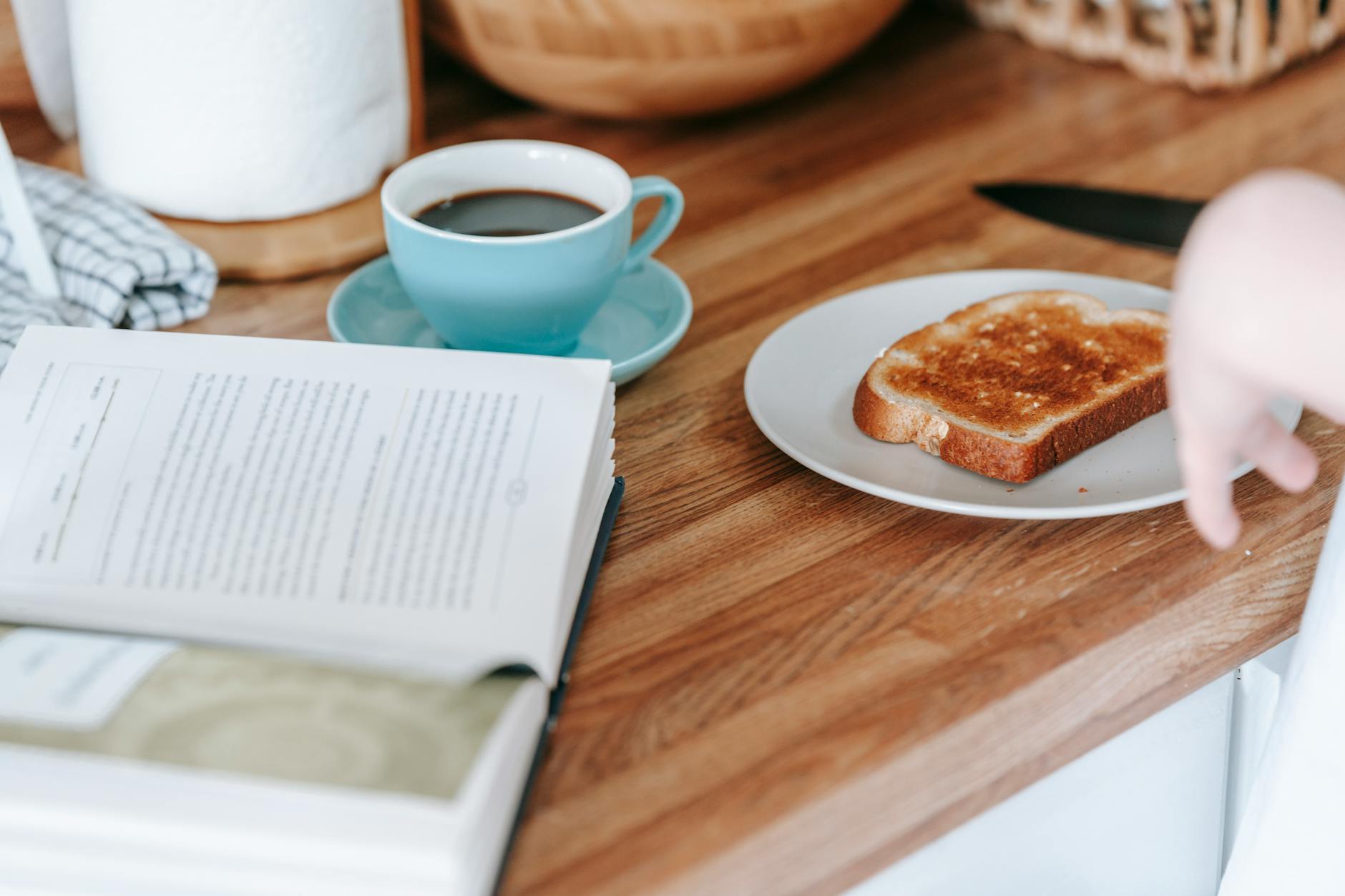
A boring pre-Pilates breakfast is one of the best training decisions I've made. Here's what it taught me about consistency.
Read →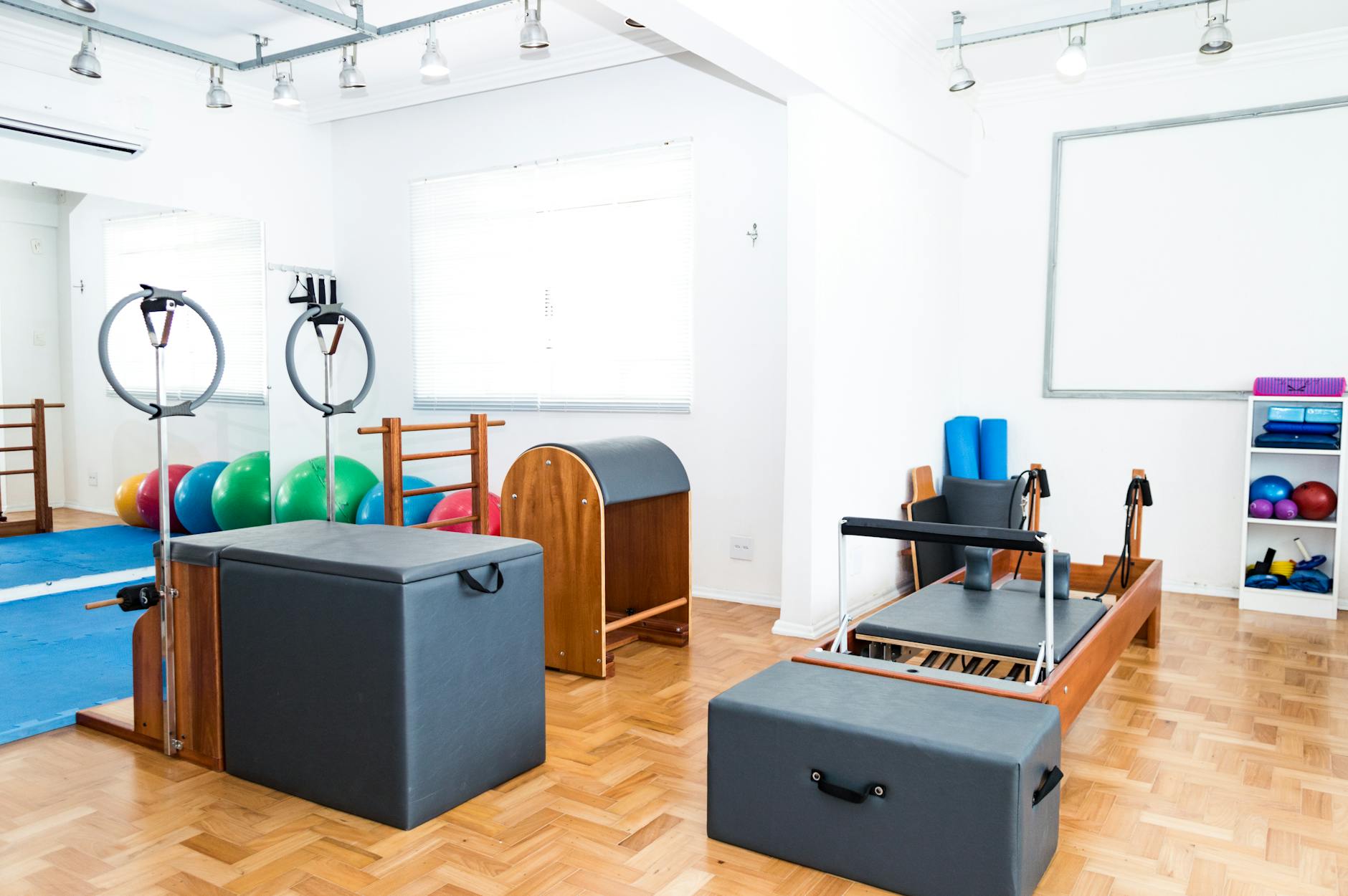
Reformer choreography gets all the glory, but the Short Box Series is where spinal articulation actually gets tested.
Read →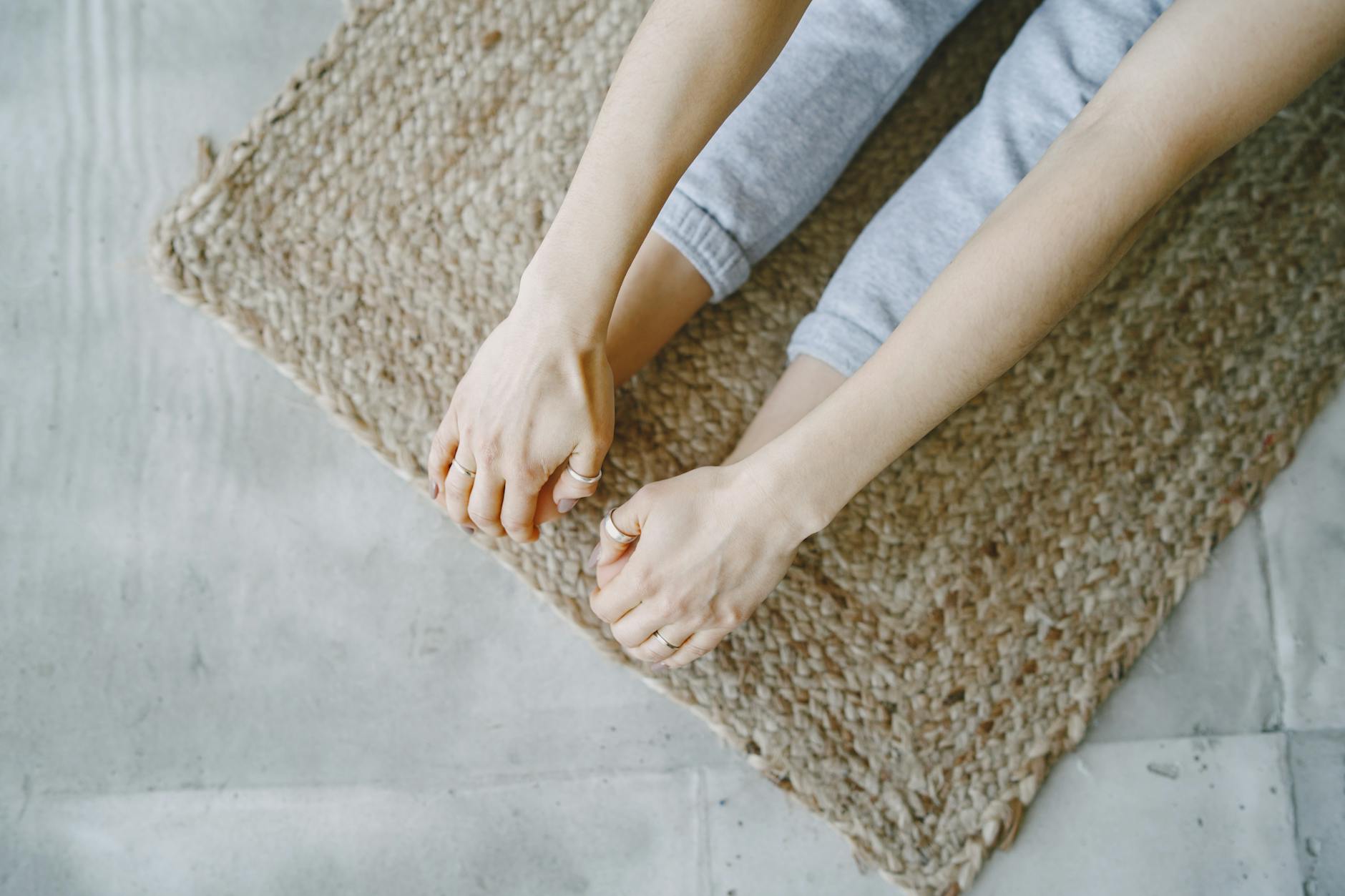
Not as a warmup. Not as recovery. Rolling first thing in the morning changes how I move for the rest of the day.
Read →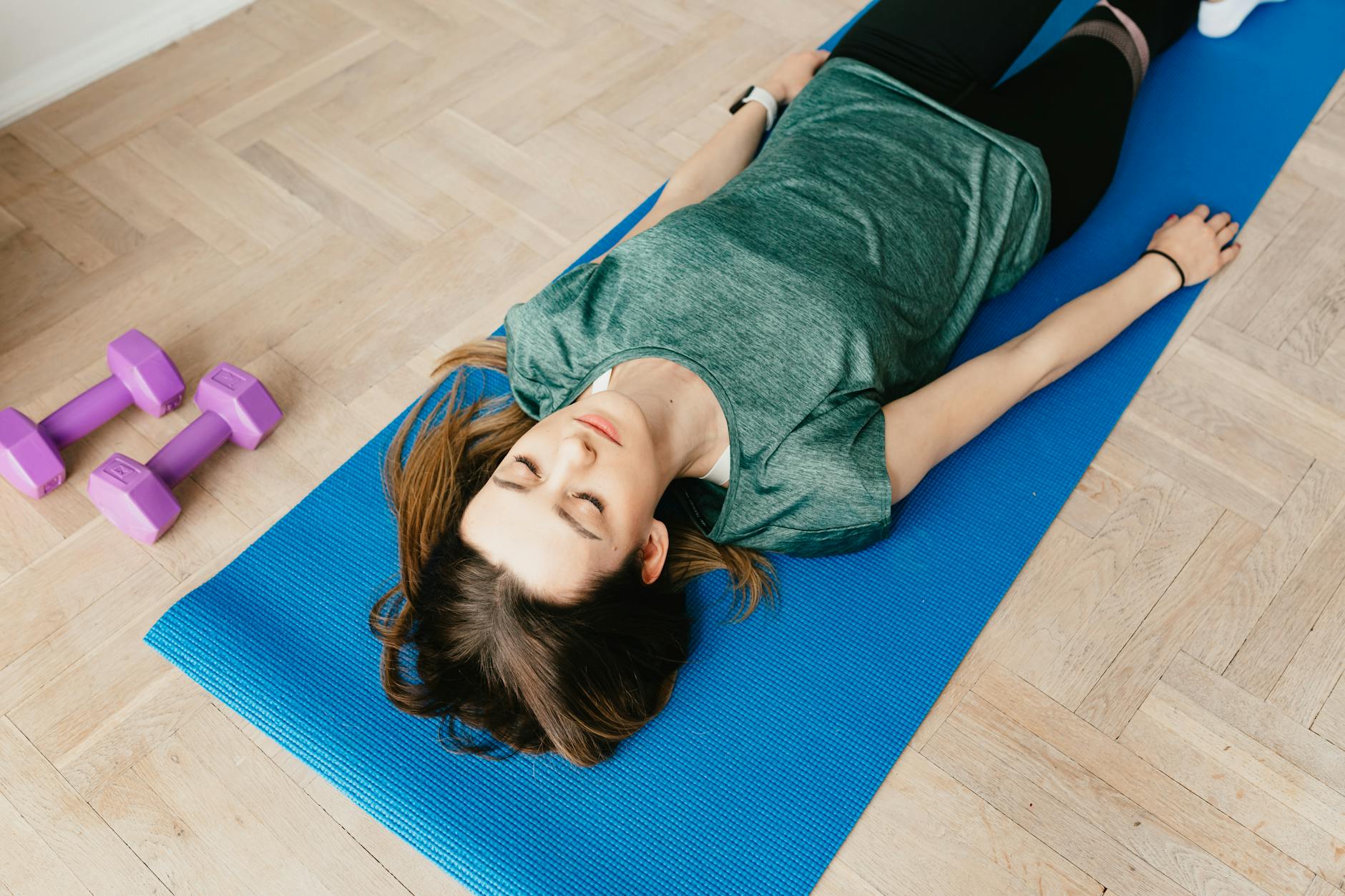
The two minutes after your last exercise matter more than most people treat them.
Read →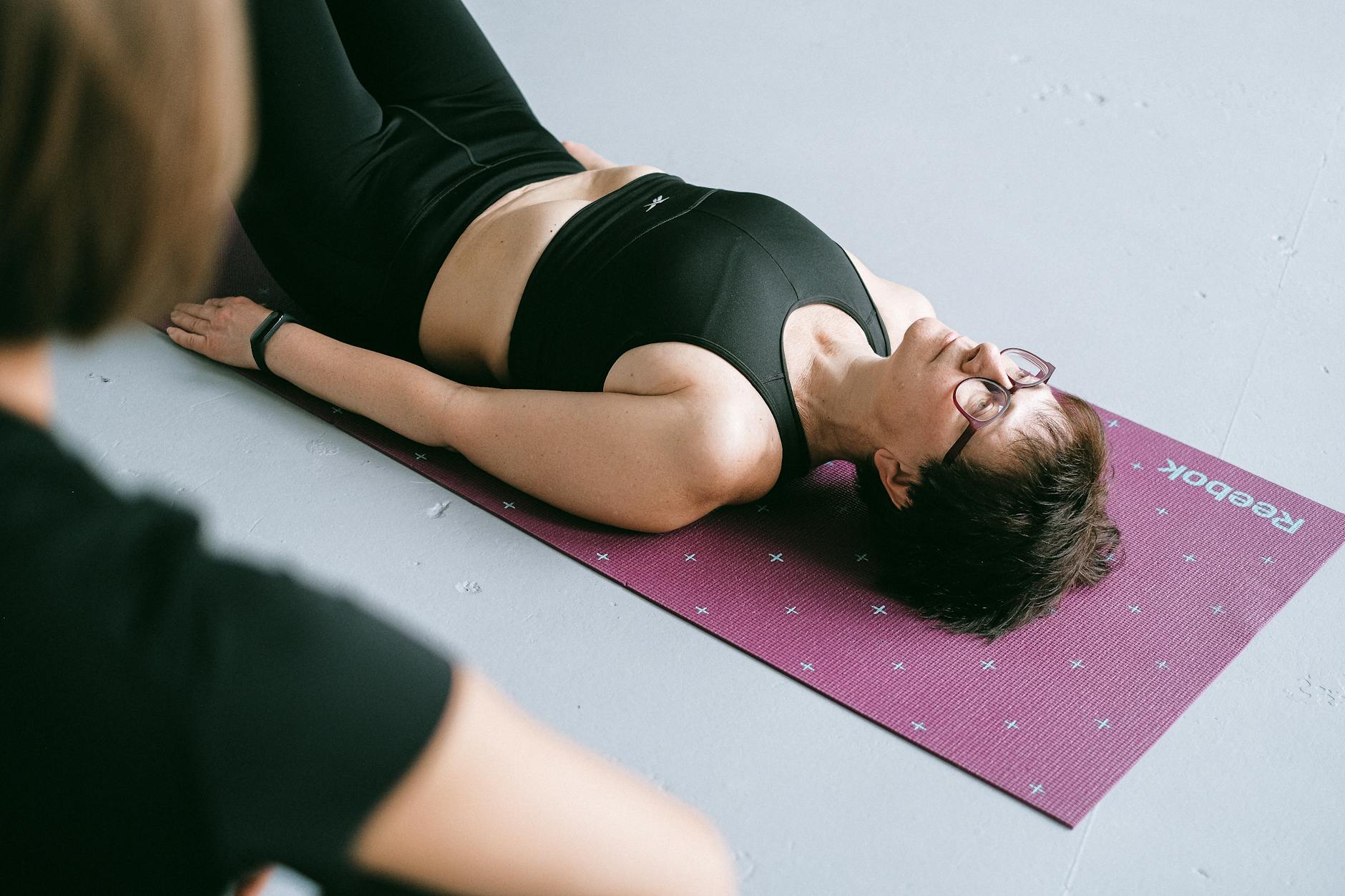
Most people treat the exhale as the passive half of a breath. In Classical Pilates, it's the movement itself.
Read →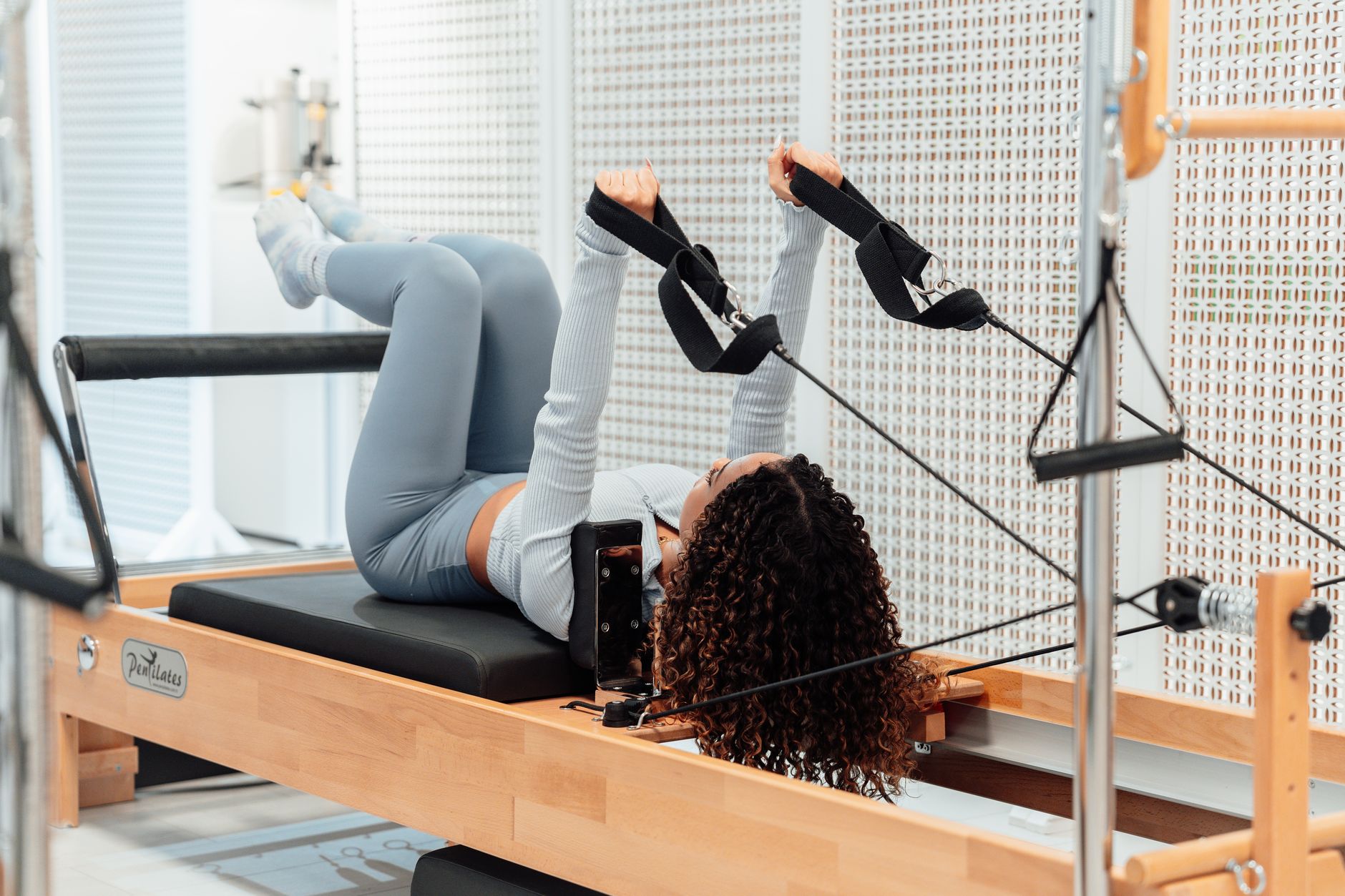
On the Reformer, the Long Stretch Series strips away every compensation and shows you exactly what your body is actually doing.
Read →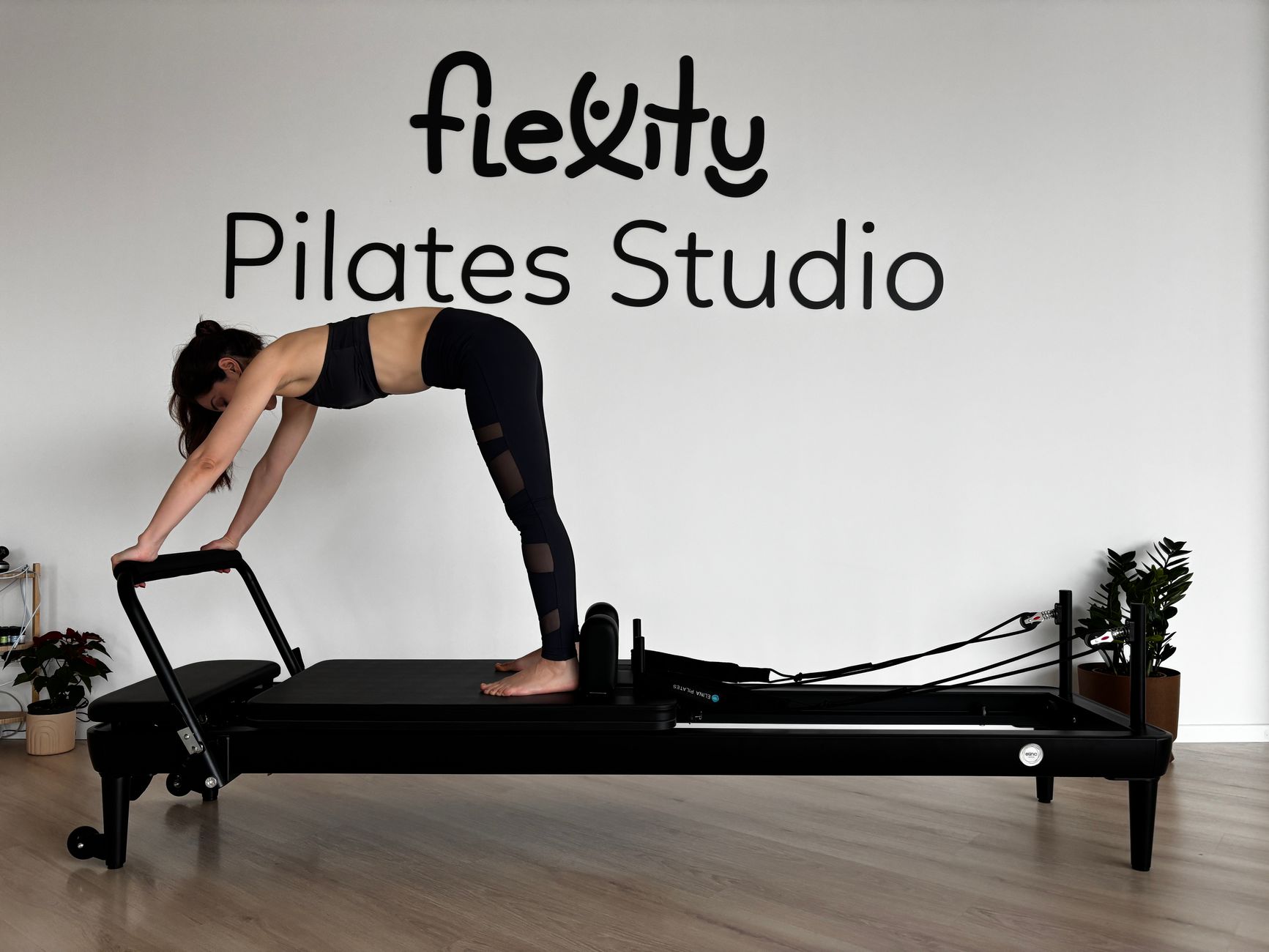
Tight hip flexors aren't just a flexibility problem. They're a communication problem - and Pilates gives you the tools to hear them.
Read →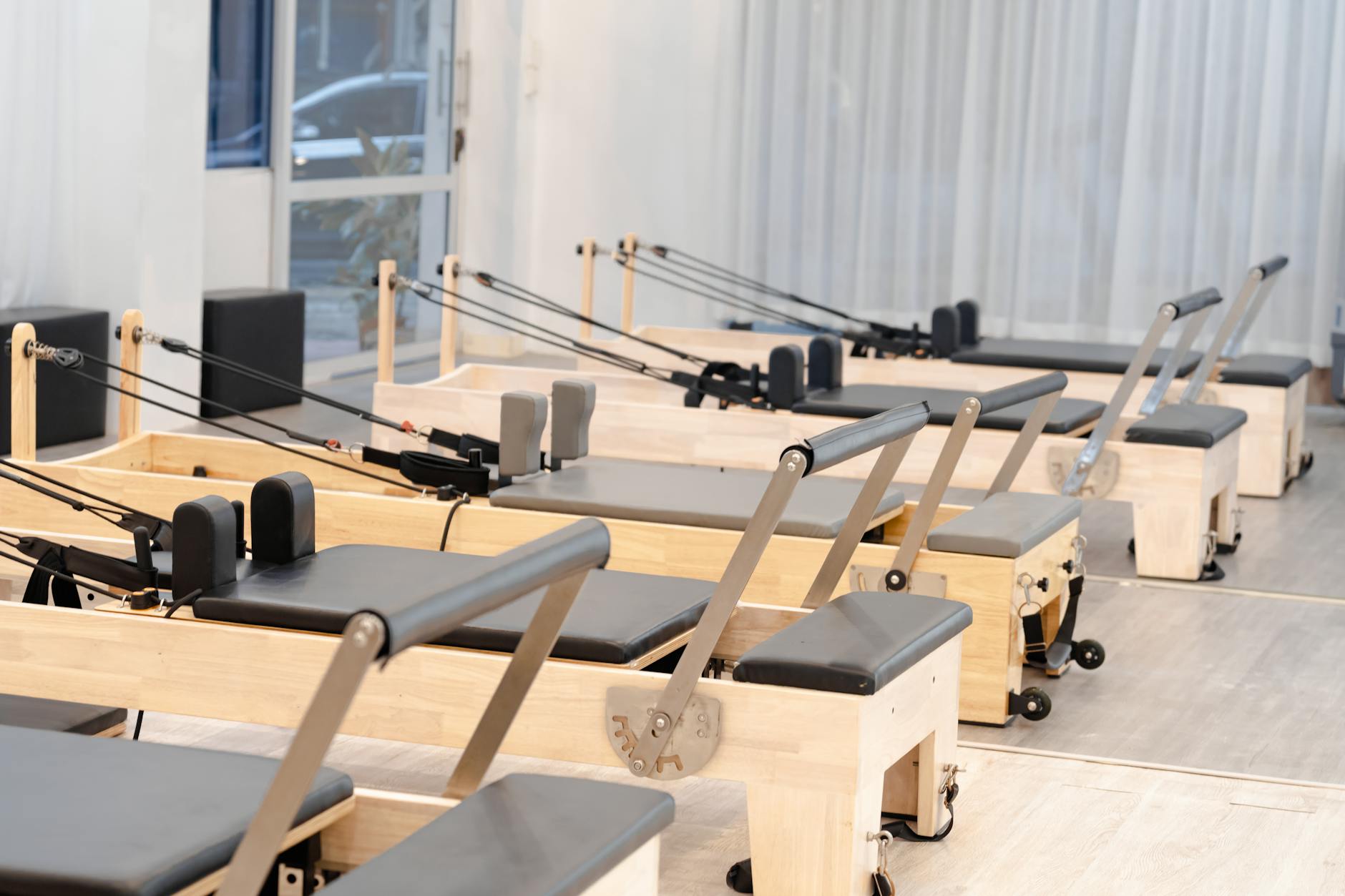
There's a specific moment in Stomach Massage where my mind leaves the room - and learning to catch it has changed how I teach.
Read →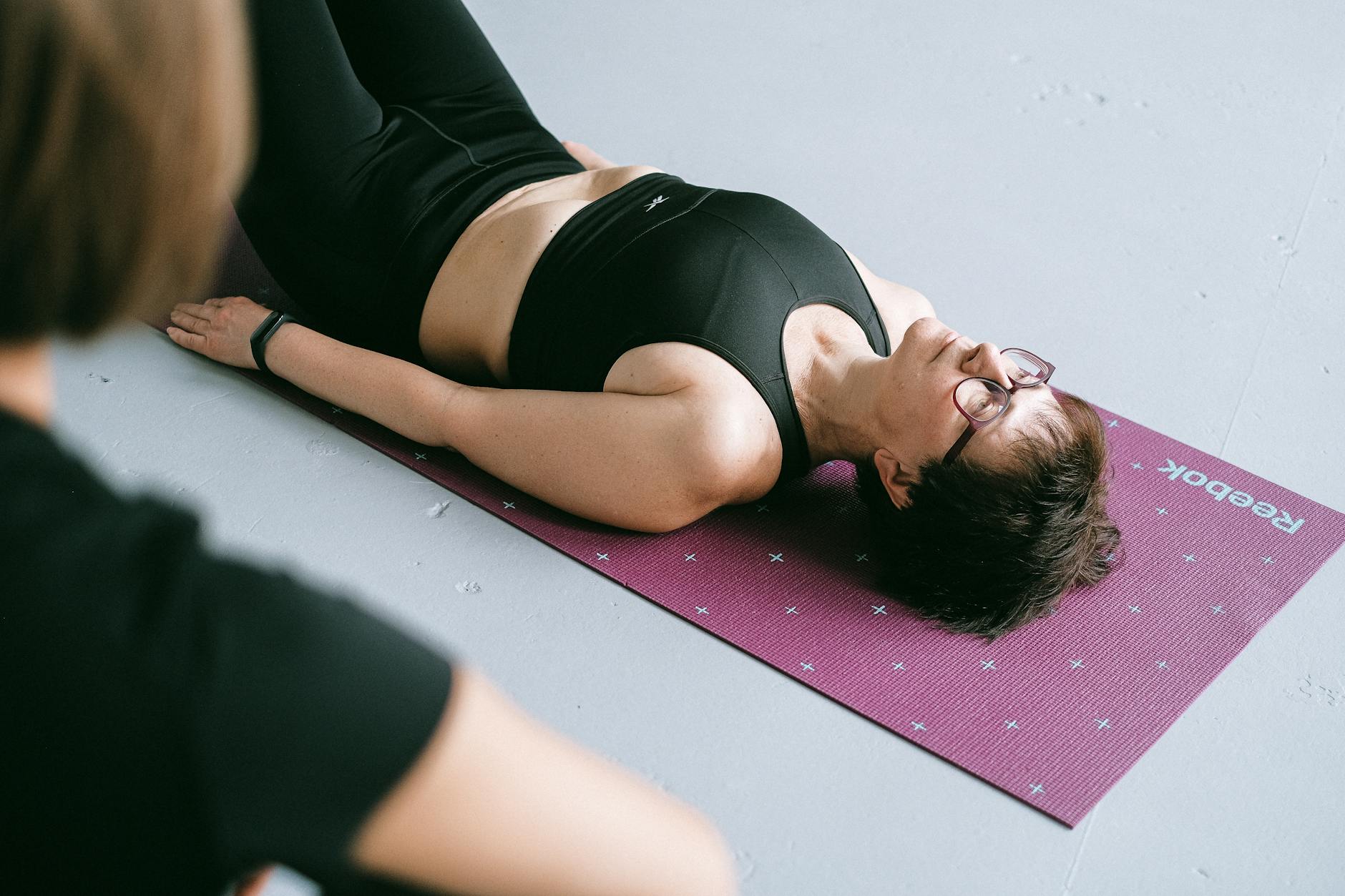
There's a pause before every exercise that most people rush through. I've stopped rushing it.
Read →
Not a workout log. Not reps or sets. One sentence about what the body said today.
Read →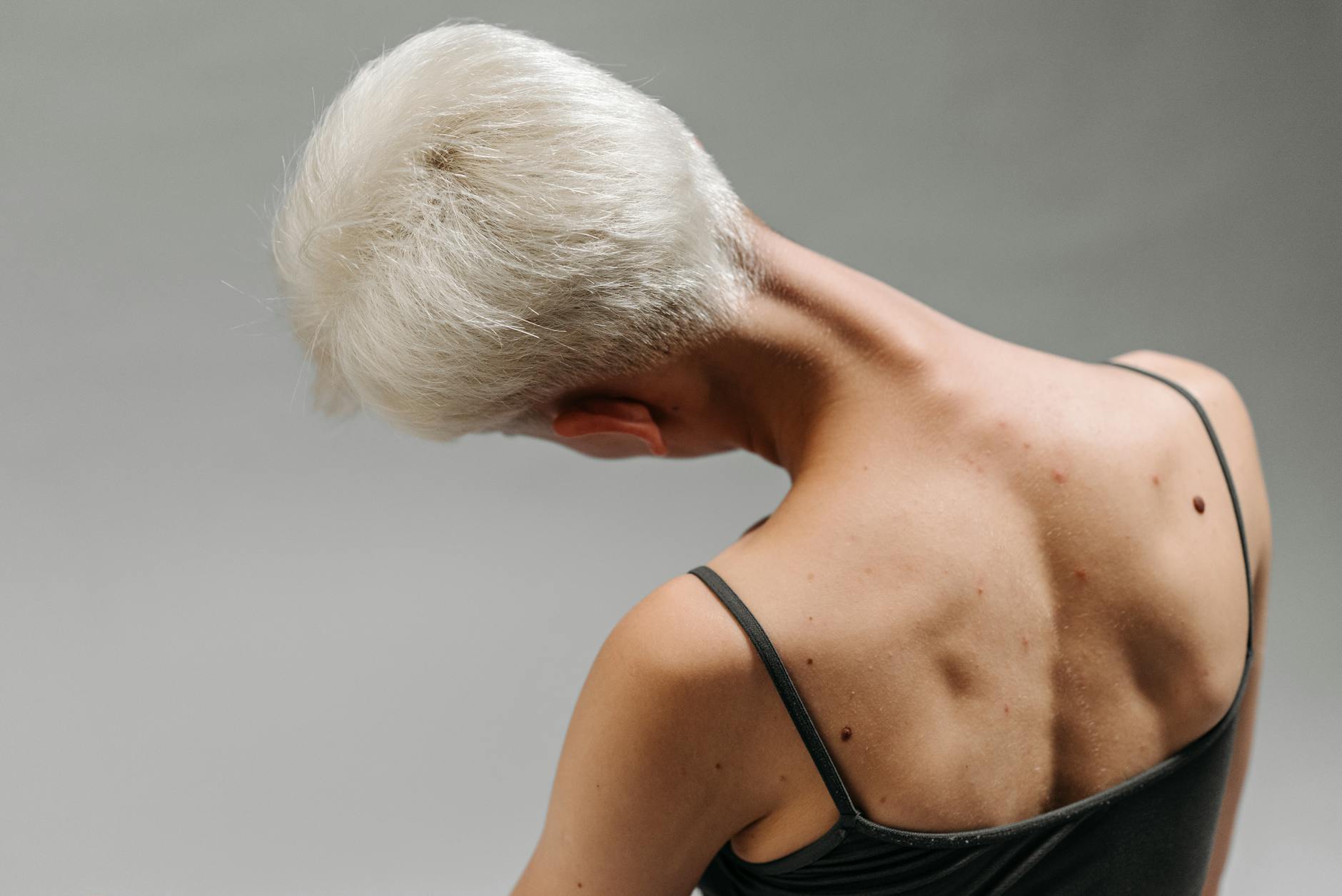
Classical Pilates activates the lumbodorsal fascia in ways most practitioners never consider-and it changes how you understand spinal extension.
Read →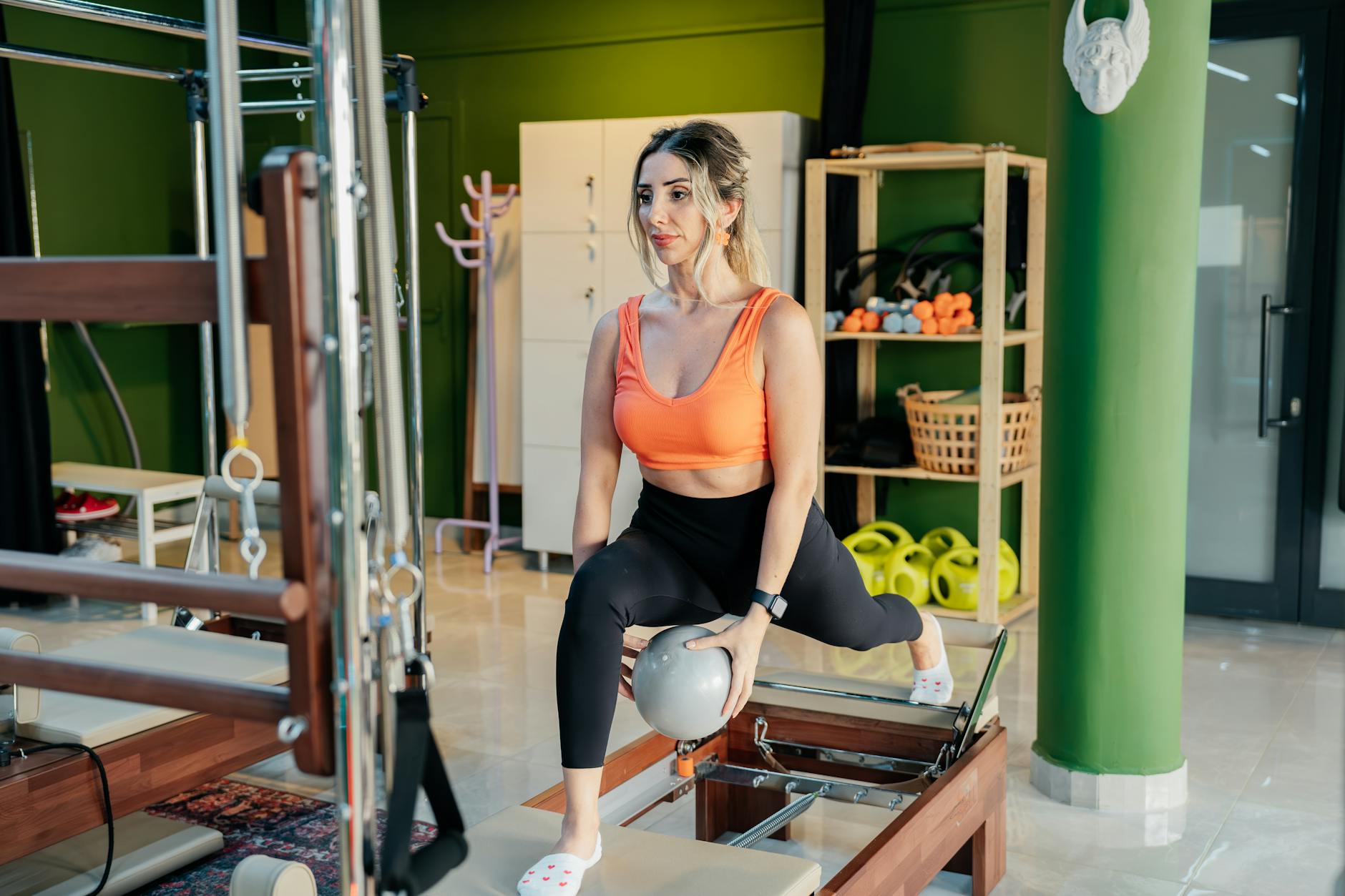
Every studio has someone who can pop into a Teaser. That's not the same as being able to do one.
Read →
Every Pilates arm exercise you've ever done has depended on a muscle most people can't locate. It's time to change that.
Read →
Hydration before a Classical Pilates session isn't a wellness cliché - it changes what your body can actually do on the apparatus.
Read →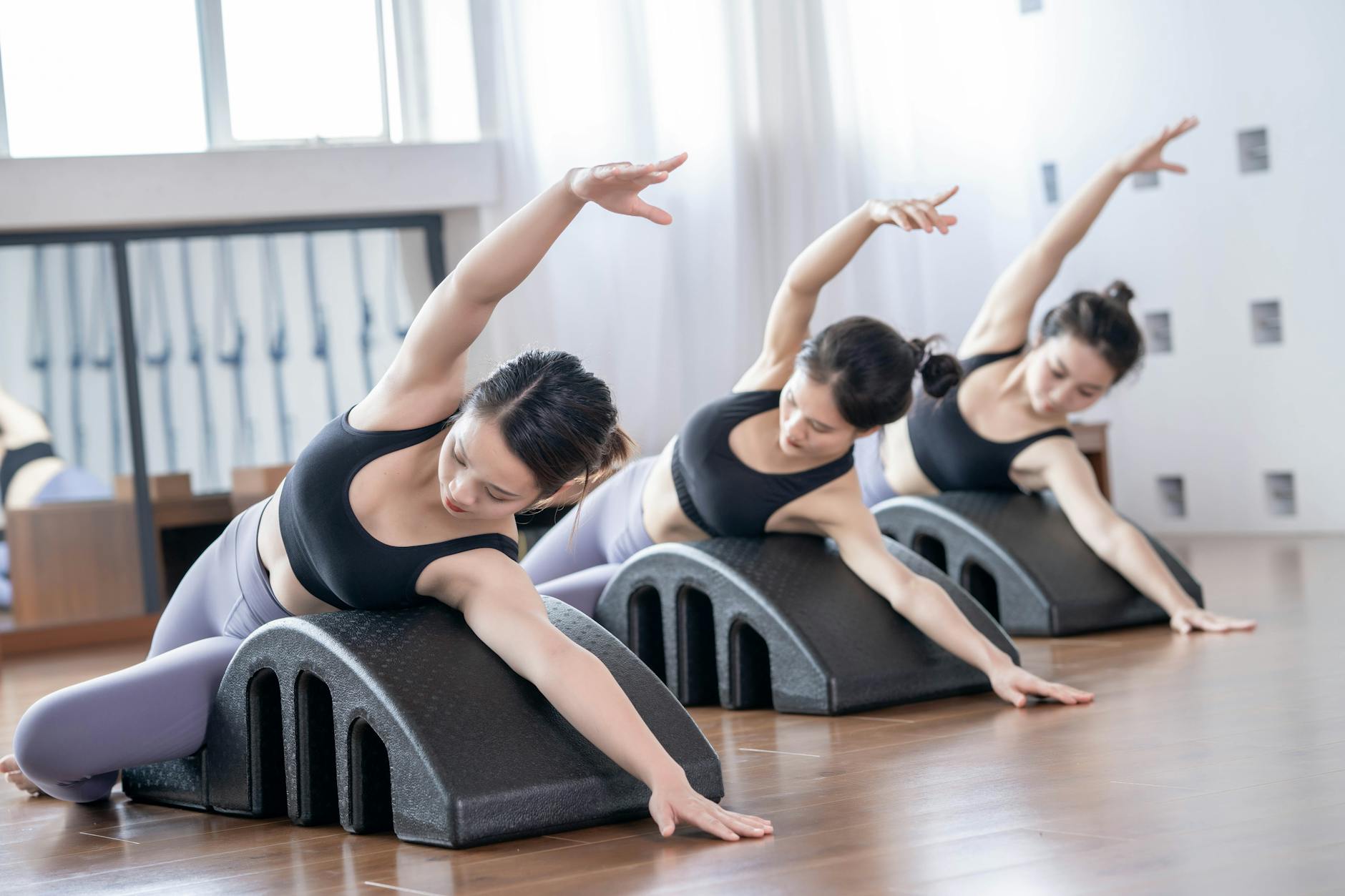
The Spine Corrector asks something most people aren't ready for: active work in an unfamiliar position against a forgiving-looking curve.
Read →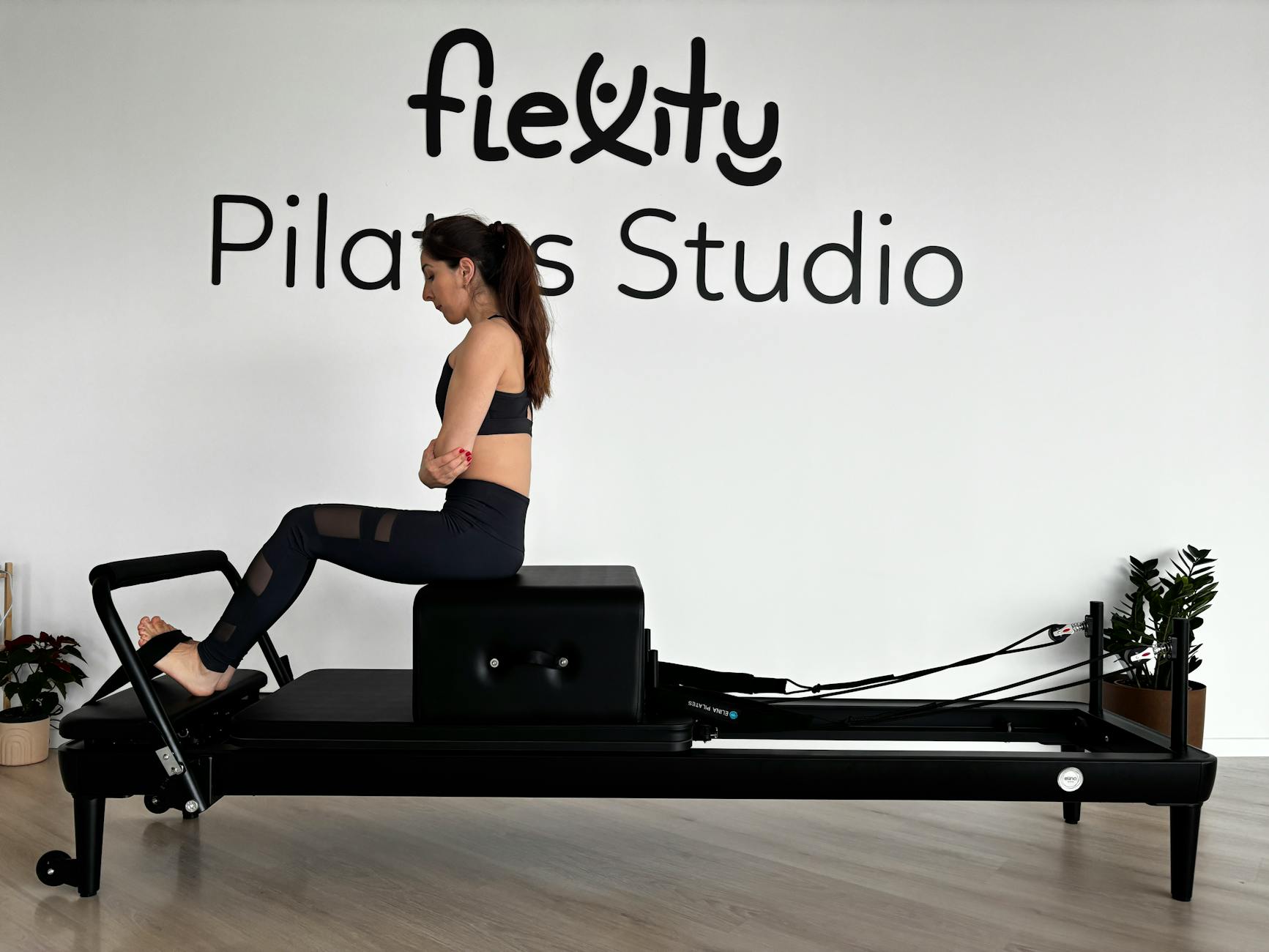
There's a difference between knowing what resistance you're working against and actually feeling it move through your body.
Read →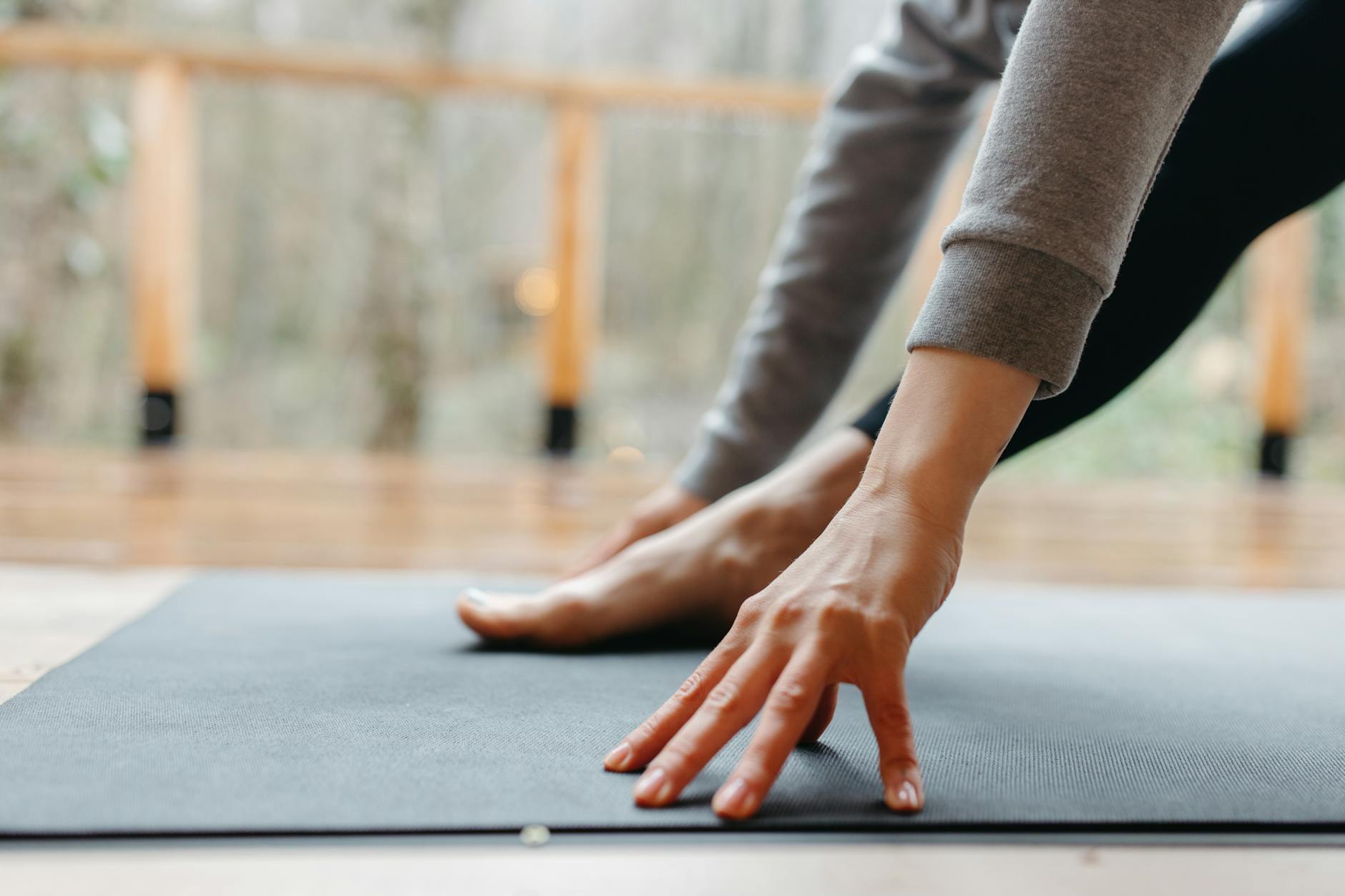
Wrist strain in Pilates is almost always a setup problem, not a strength problem. Here's what to watch for.
Read →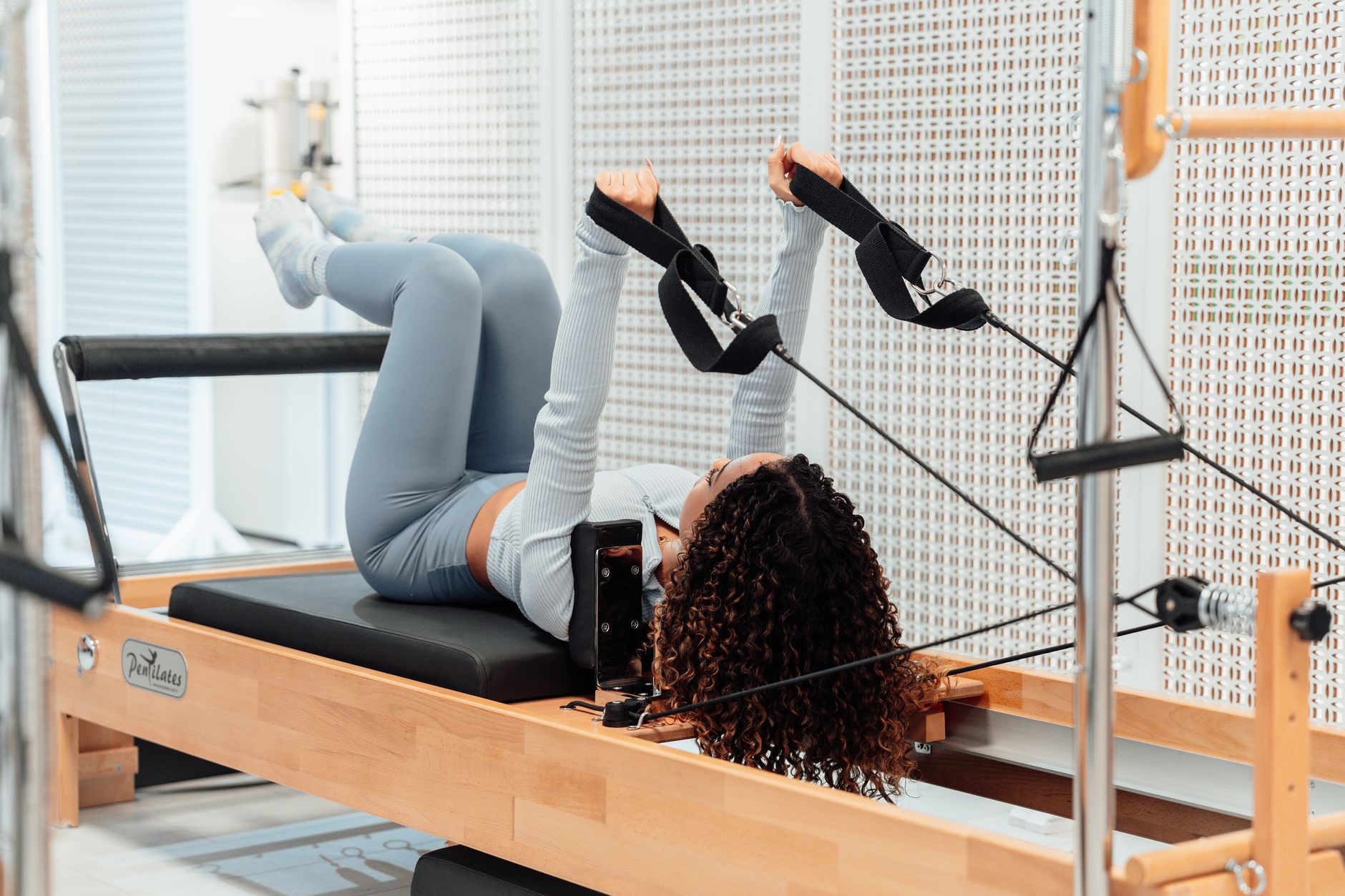
Elephant on the Reformer looks like a break. It isn't. Here's what's actually being asked of you.
Read →
Screen time before class doesn't just distract you-it changes what your nervous system brings to the work.
Read →
Presence in Classical Pilates isn't a mood-it's visible. It shows up in the body before anyone says a word.
Read →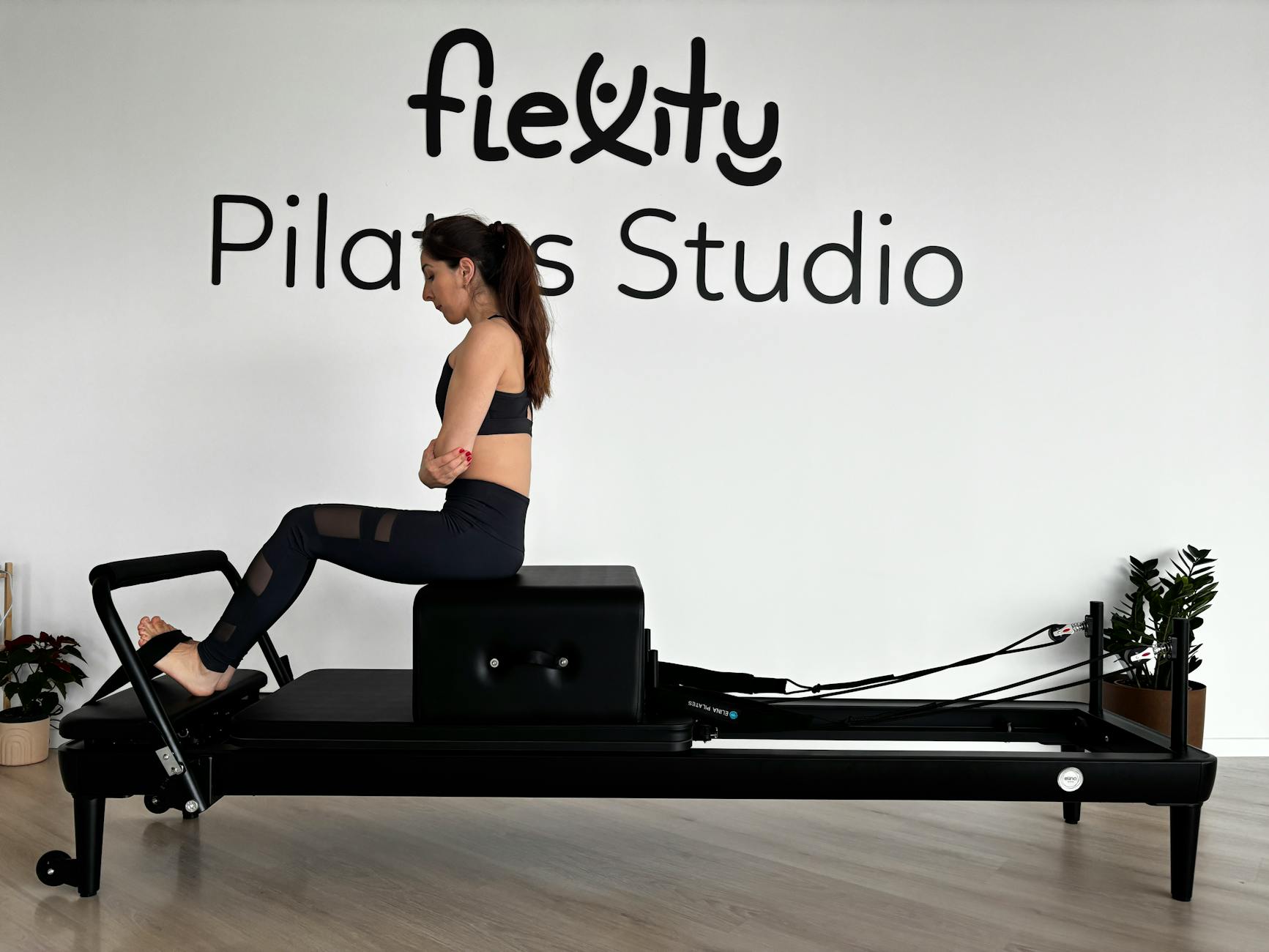
Neck tension in Pilates rarely starts in the neck. Here's where it actually originates and what to do about it.
Read →
Getting dressed for Pilates at home isn't laziness - it's the first cue your nervous system gets that something real is about to happen.
Read →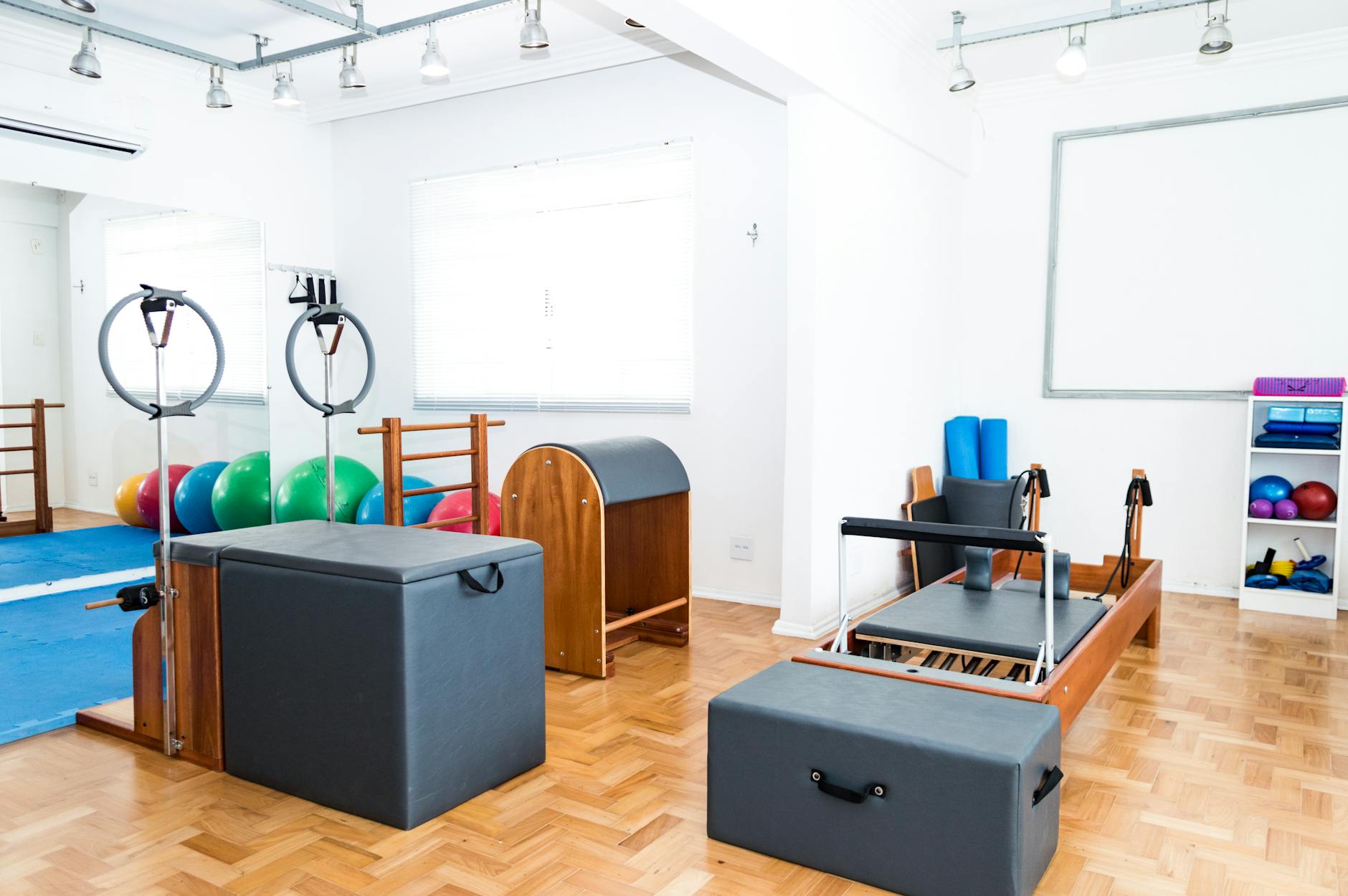
The Swan looks familiar until you do it on the Spine Corrector barrel. Then it tells you everything you didn't know about your extension.
Read →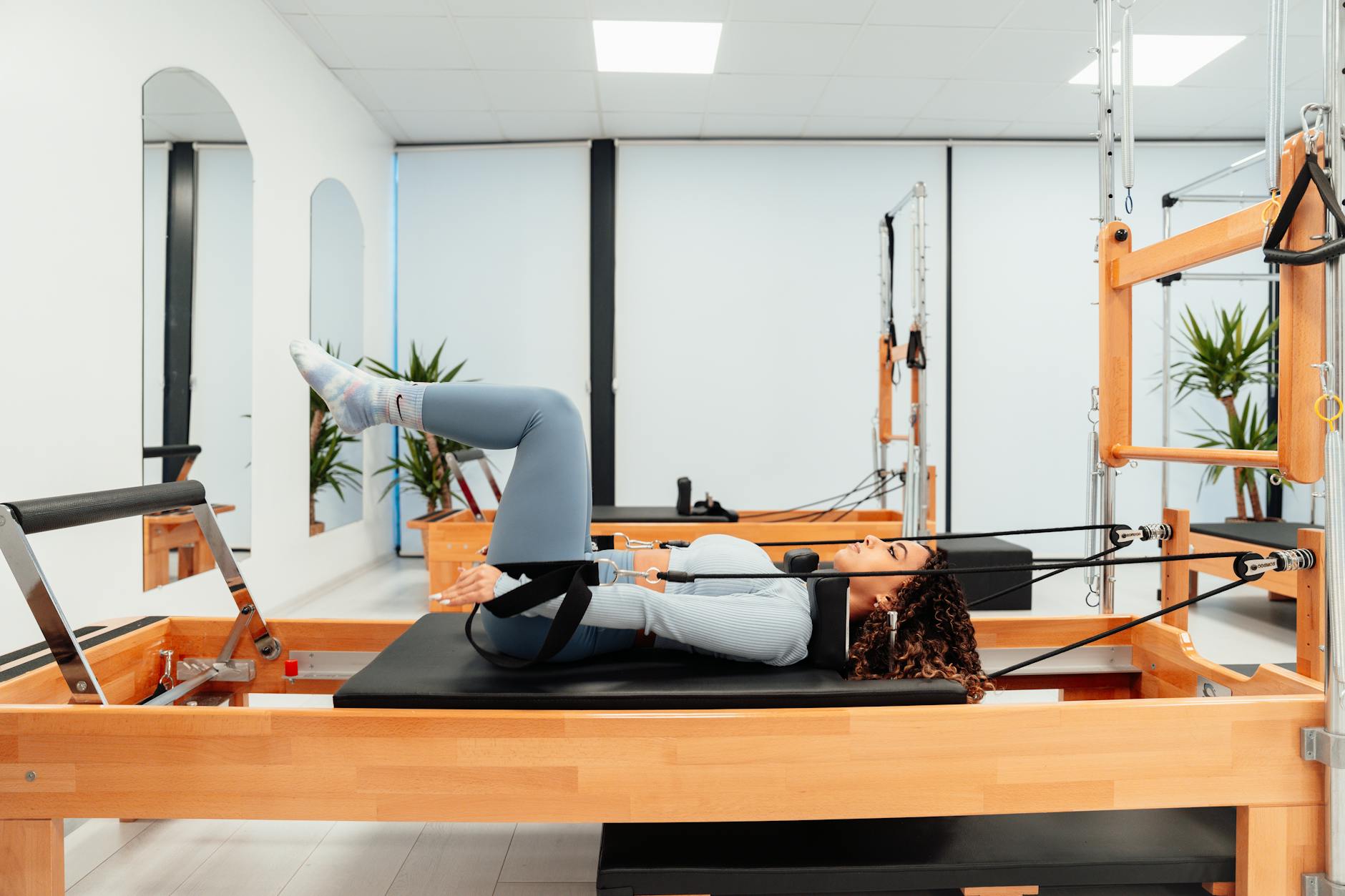
The psoas does something in spinal mechanics that most Pilates cues completely ignore - and it changes how you teach the whole mat.
Read →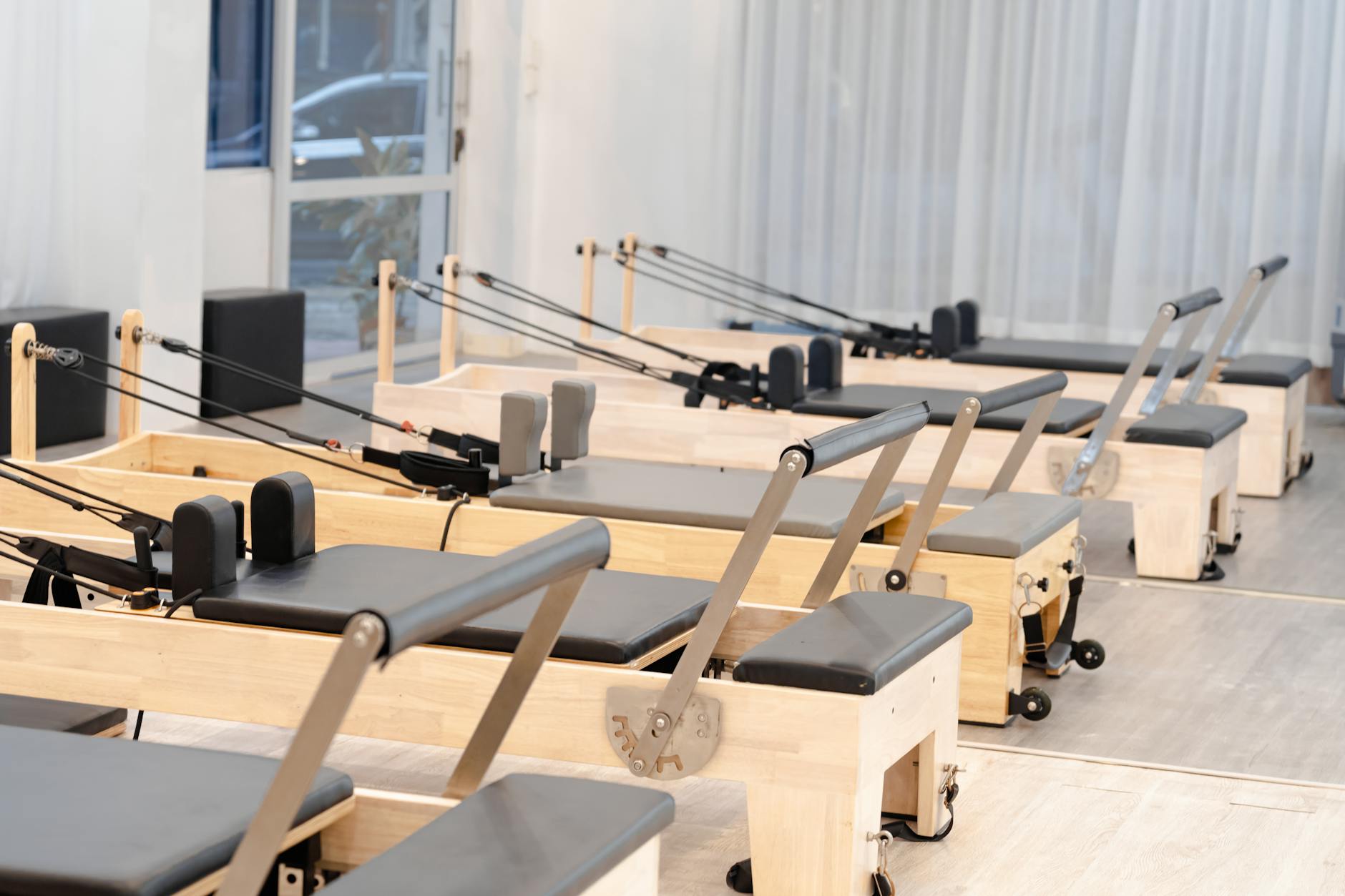
Most people treat the Stomach Massage as a transition. It's actually one of the densest teaching tools on the Reformer.
Read →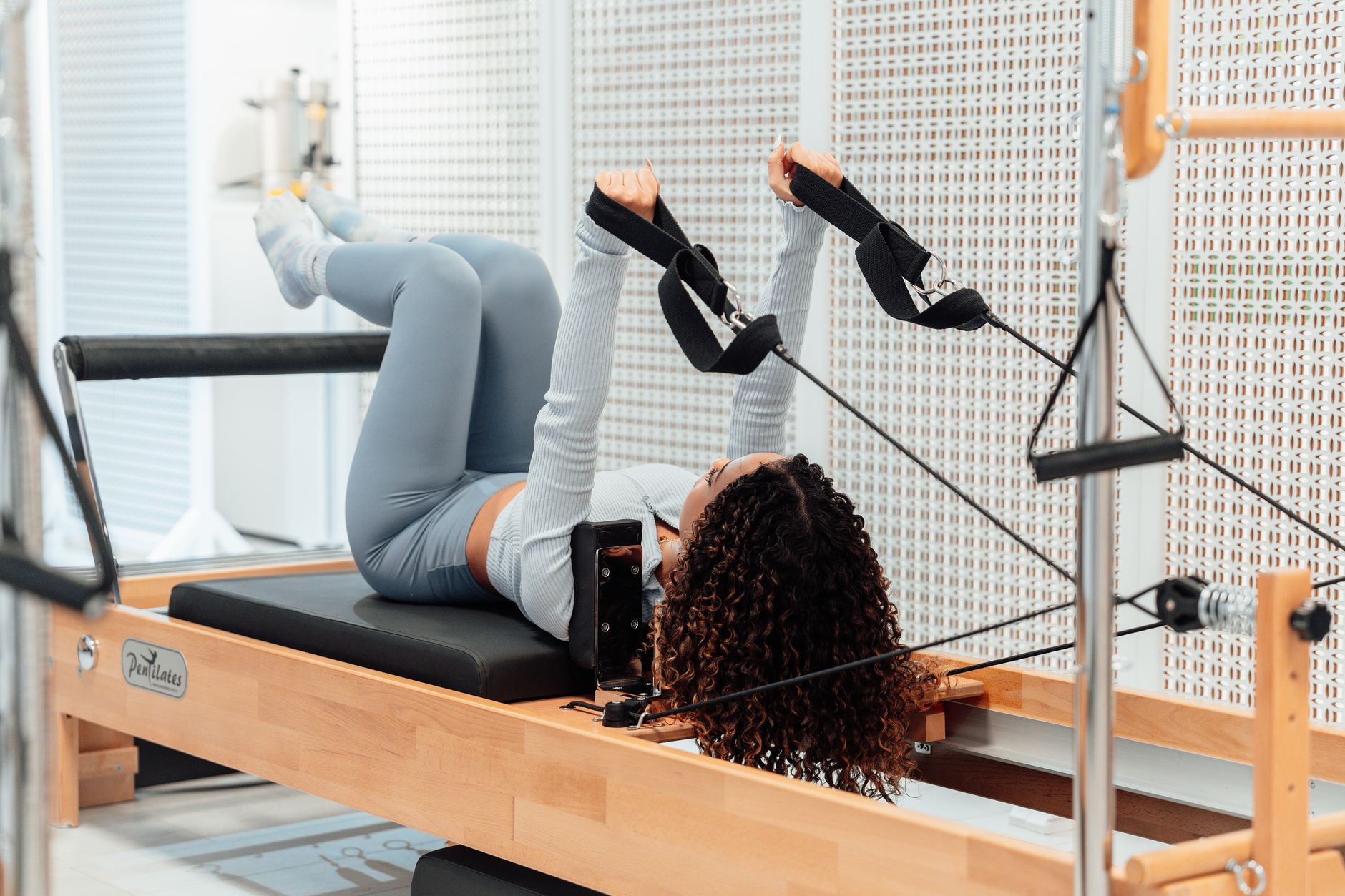
Three variations, one after the other, and nowhere to hide. The Knee Stretch Series on the Reformer exposes what the Hundred only hints at.
Read →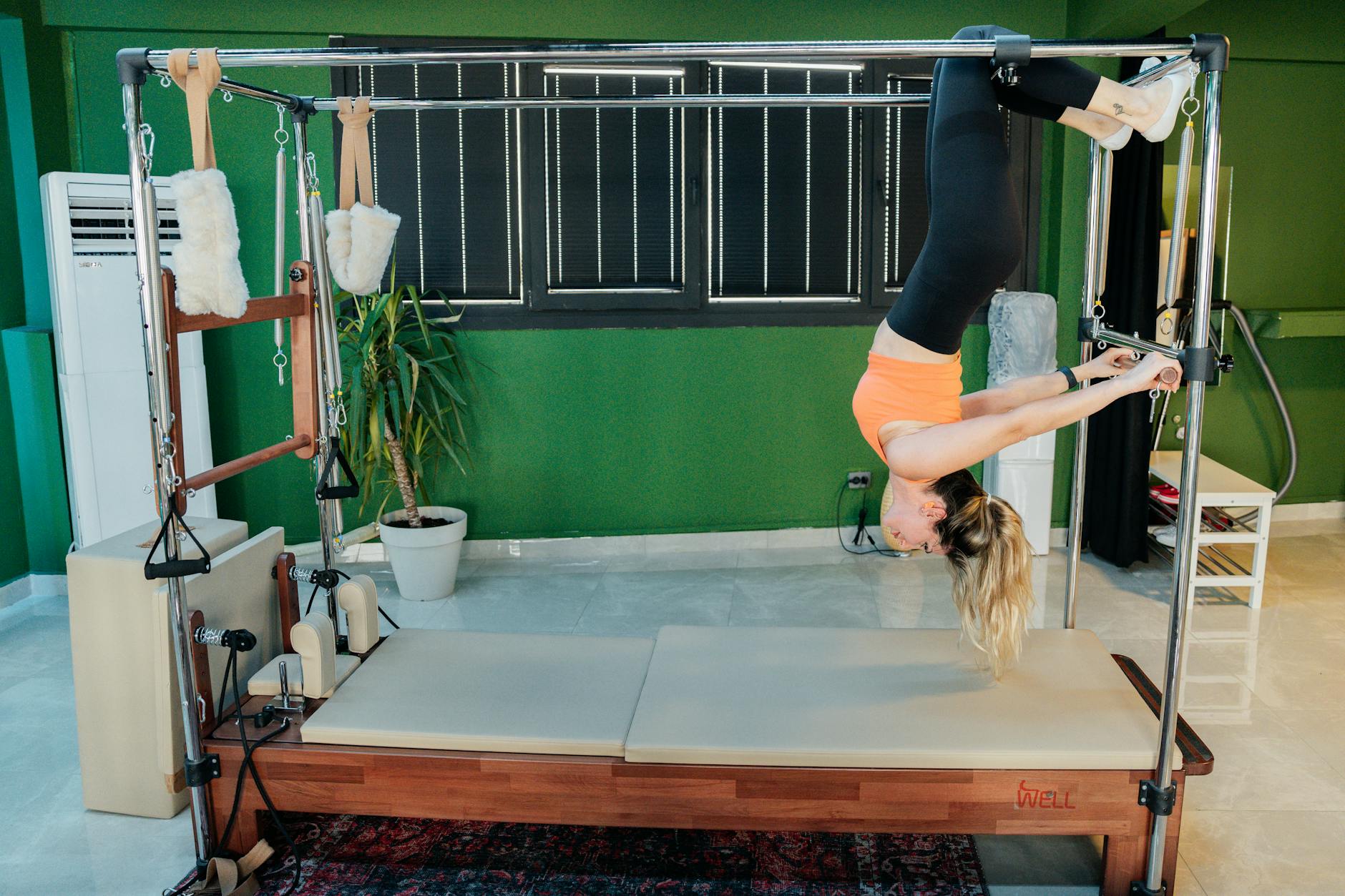
Most people treat the rollback bar like an entry point. It's actually one of the most demanding pieces of equipment in the studio.
Read →
Not airplane mode. Off. There's a difference, and my body knows it the moment I stop pretending otherwise.
Read →About one post a week. No marketing.