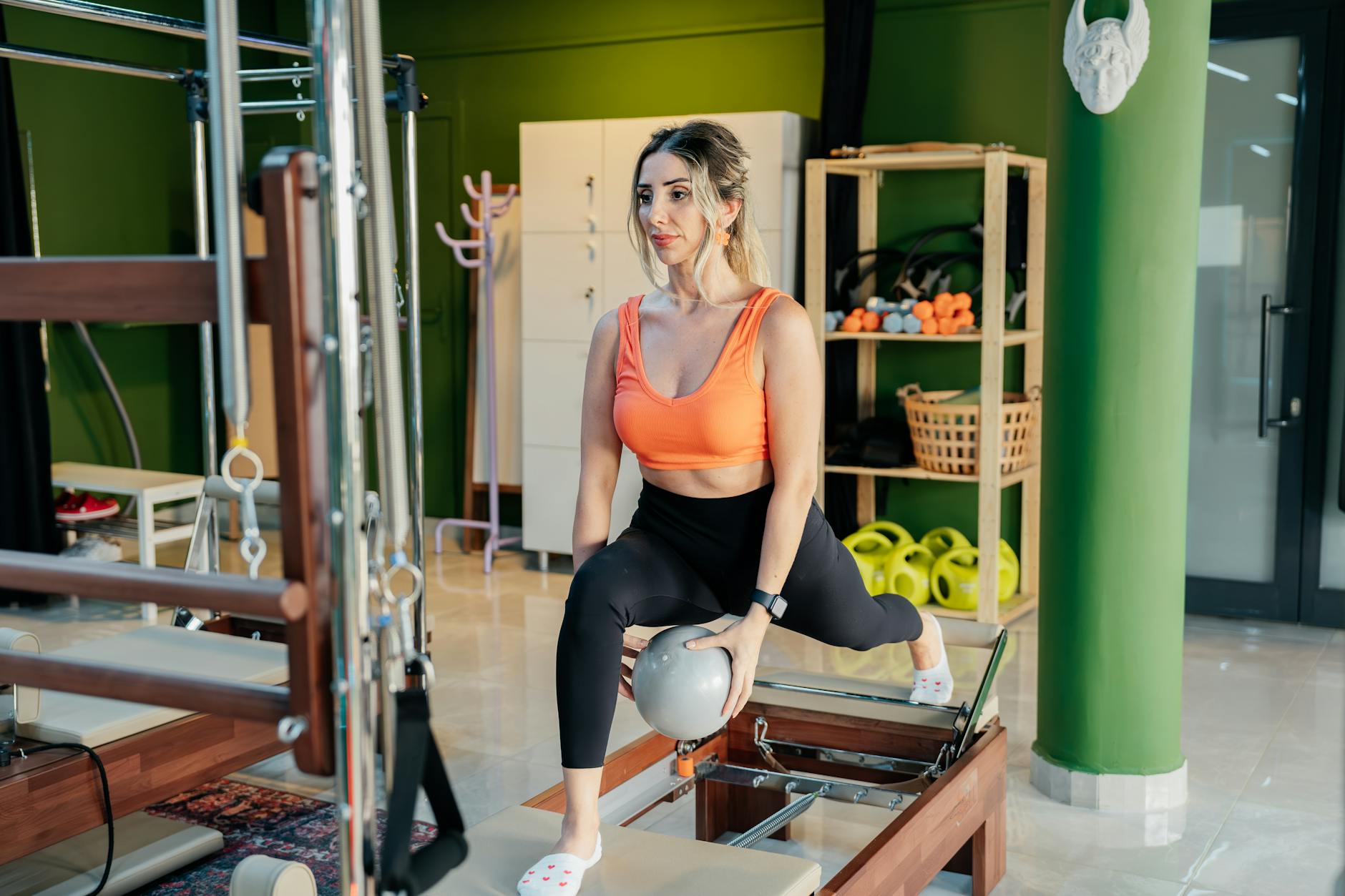
Every studio has someone who can pop into a Teaser. That’s not the same as being able to do one.
The Teaser - performed on the mat and on the Reformer - is often treated as a milestone, a proof of arrival. Students work toward it for months and then, once they can hold the V-shape for a few seconds without toppling, they consider themselves to have solved it. Classical Pilates disagrees with that reading.
The Teaser is not a position. It is a movement - specifically, a rolling movement governed by the same articulation principles that run through the entire mat sequence. If you can hold the shape but you arrived there by yanking your legs up and pitching your torso back to meet them, you have not done a Teaser. You have struck a pose that resembles one.
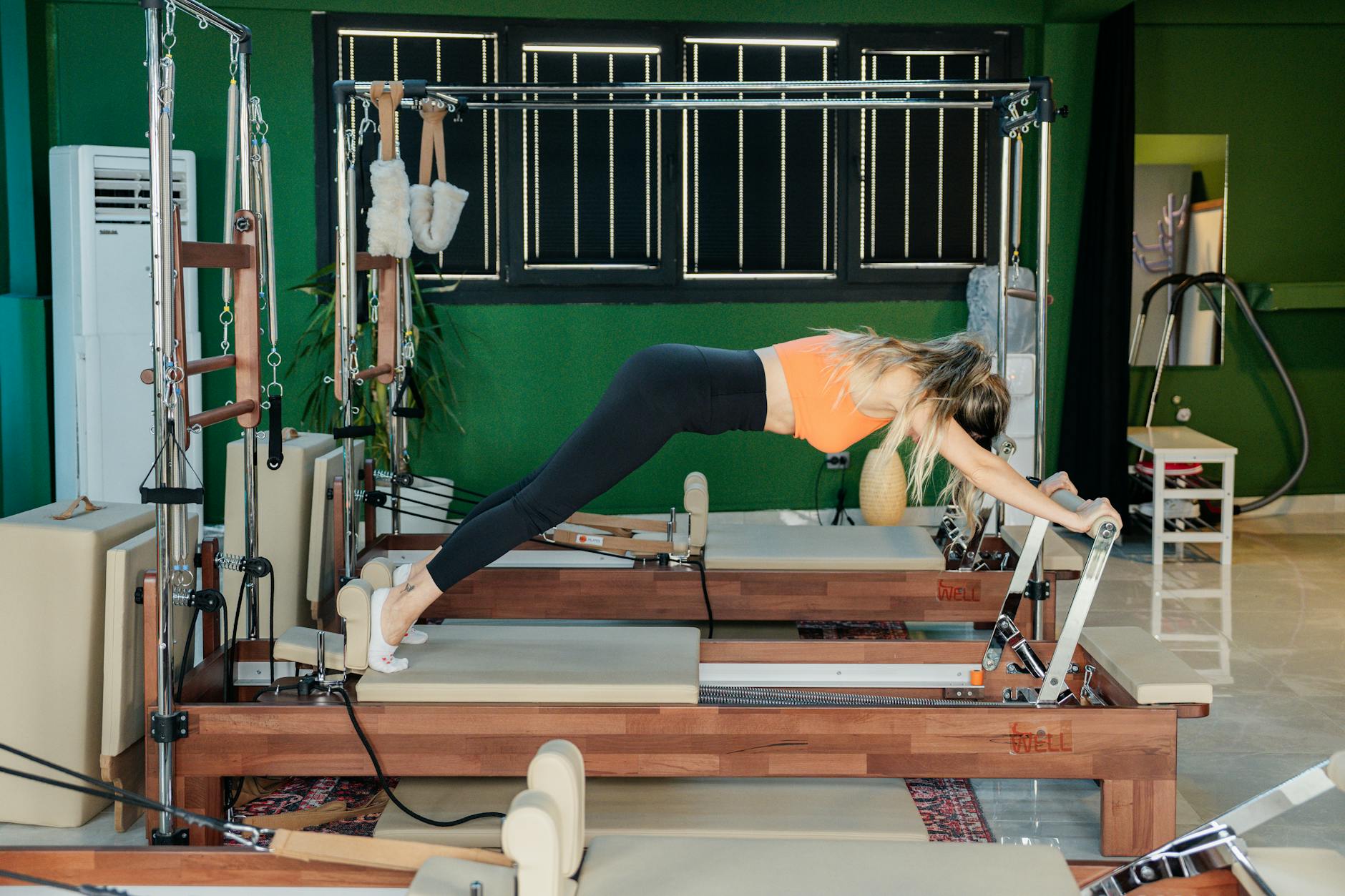
What the Spine Is Actually Doing
In the Classical Teaser, the spine peels off the mat vertebra by vertebra on the way up and returns the same way on the descent. The legs remain at a fixed angle - typically around 45 degrees - while the torso moves through its arc. The two halves of the body do not chase each other. They hold their relationship while the abdominals do the work of the transition.
The rectus abdominis gets most of the credit in conversations about this exercise, but the deeper stabilizers - the transversus abdominis, the obliques - are what keep the legs from dropping and the lower back from gripping during that moment when the torso is neither up nor down. That in-between moment is where the exercise actually lives, and it is exactly where most people rush.
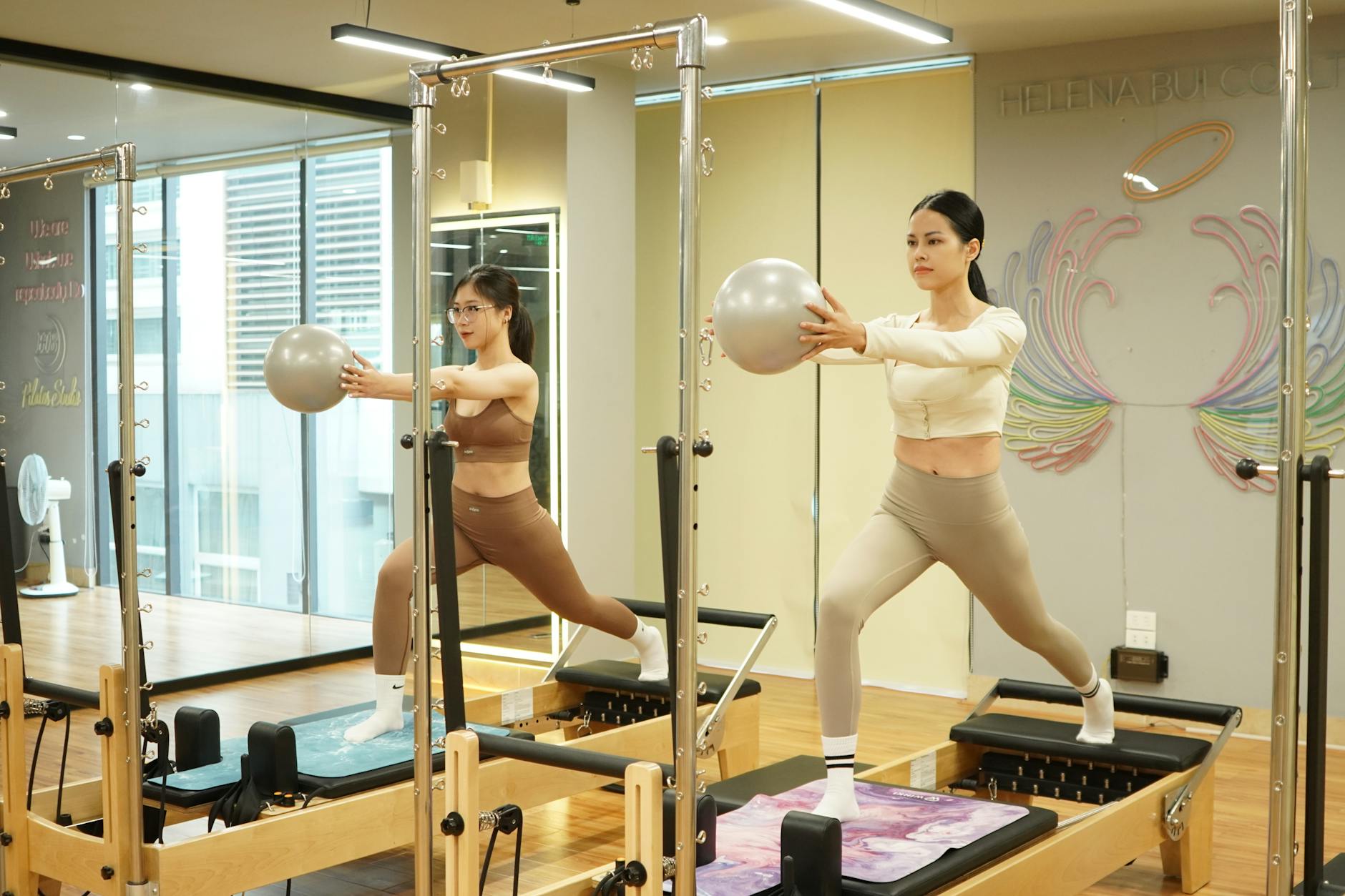
The Reformer Version Teaches Something the Mat Cannot
On the Reformer, the Teaser is typically performed with the footbar down and the straps around the feet, lying supine on the carriage. The spring tension - usually one or two light springs - provides just enough feedback to expose compensations the mat conceals.
If your hip flexors are initiating instead of your abdominals, the carriage will tell you. The straps go slack, the lower back flattens too hard into the carriage, and the movement stalls before it completes. The Reformer Teaser has no patience for momentum. It requires the same sequential spinal articulation as the mat version, but the moving carriage removes the floor as a reference point, which means your center has to generate its own stability without borrowing it from anything beneath you.
The Part Nobody Mentions
The lowering is harder than the lifting, and it is more important.
Coming down from the Teaser with control - maintaining the leg angle, keeping the chest open, resisting the collapse - is where the eccentric abdominal work happens. Most students are already thinking about the next repetition before the current one has finished. The return to the mat is not a rest. It is the second half of the exercise, and in Classical Pilates, it counts just as much as the first.