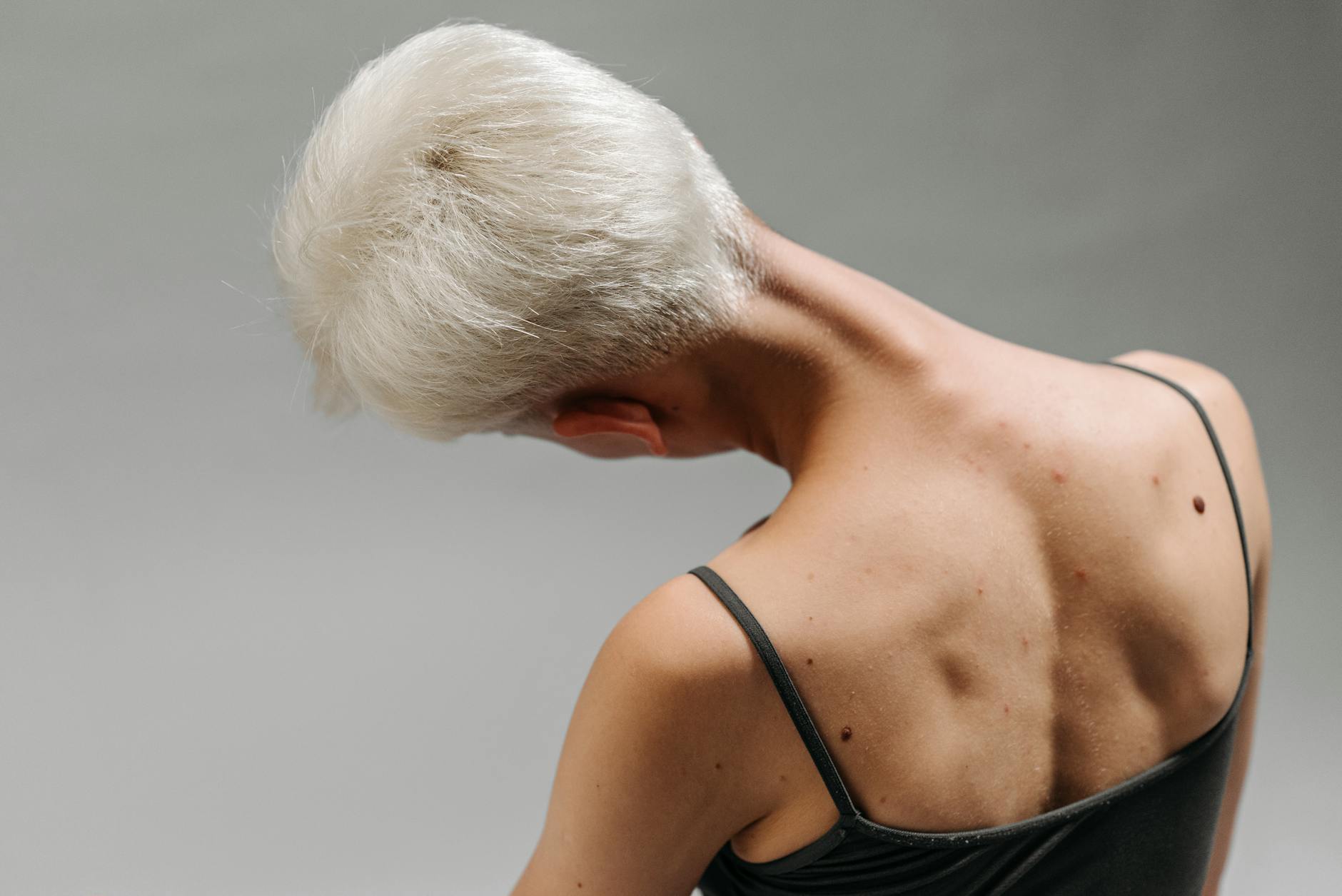
The subscapularis is the largest of the four rotator cuff muscles, and it lives on the anterior surface of the scapula - tucked between the shoulder blade and the ribcage. You cannot see it. You cannot palpate it directly. Most Pilates practitioners never think about it by name. But every time you pull the straps on the Reformer, every time you press down through the Cadillac spring in a Chest Expansion, every time you hold the carriage steady through a Long Box pull, the subscapularis is doing significant work.
Its primary function is internal rotation of the humerus, but it also contributes to glenohumeral stability by compressing the humeral head into the glenoid fossa. That compression function is what makes it relevant to nearly every upper-body Pilates exercise - not because we’re training internal rotation specifically, but because without adequate subscapularis engagement, the humeral head migrates anteriorly under load. The shoulder loses centration. You feel it as impingement or pinching at the front of the joint, and you compensate by elevating the shoulder girdle or shortening through the neck.
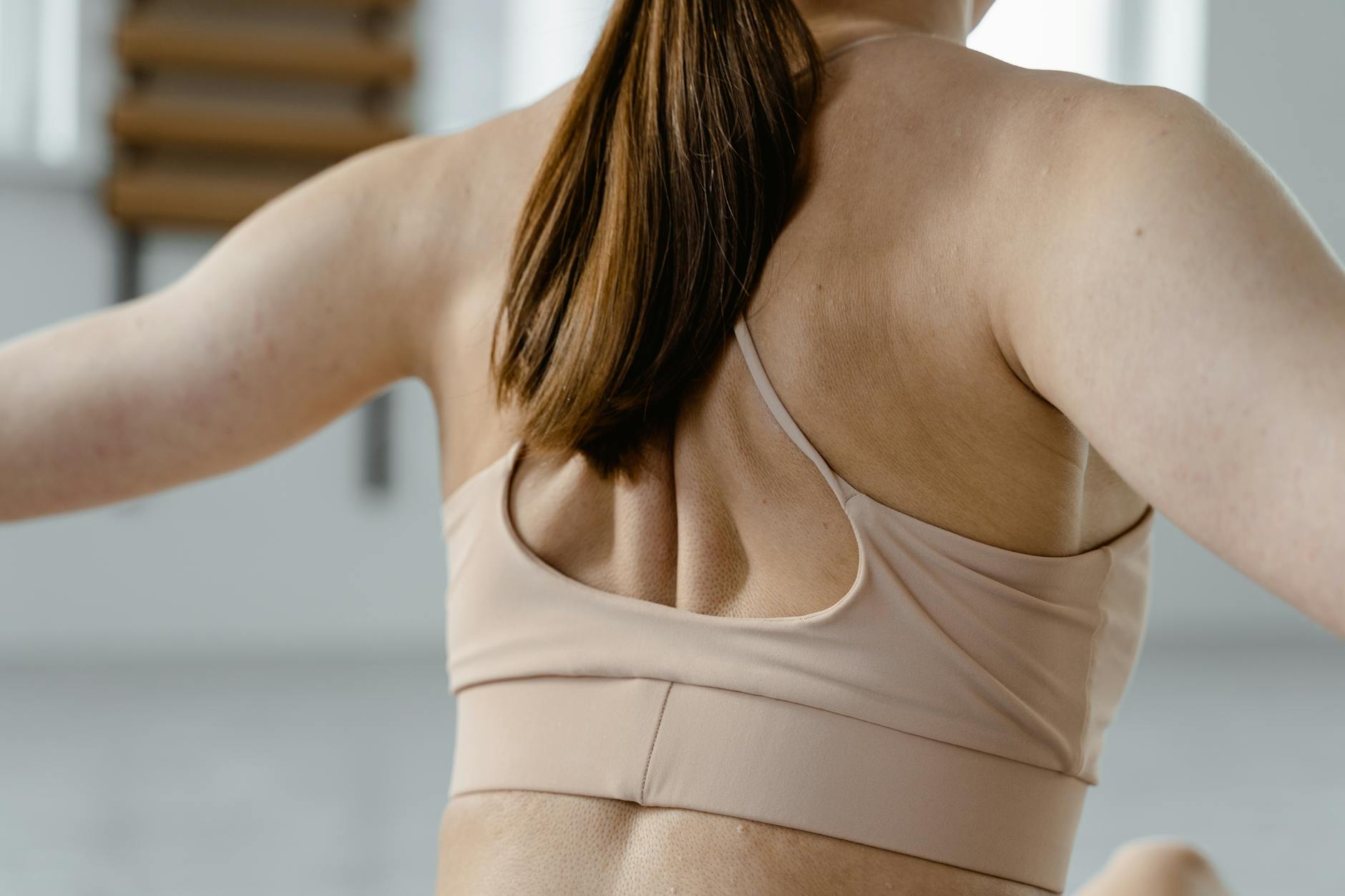
In Classical Pilates arm work, the instruction is almost always about what the shoulder should not do: don’t shrug, don’t wing, don’t collapse. But that cueing is reactive. The subscapularis, along with the infraspinatus and teres minor working in opposition, is what makes those failures structurally less likely in the first place. When these muscles are co-contracting around the glenohumeral joint, the shoulder has somewhere to organize from.
This is distinct from the scapular stabilizers - the serratus anterior, lower trapezius - which control the position of the blade on the ribcage. Both systems matter. But the rotator cuff’s job at the joint itself often gets collapsed into vague cues about “setting the shoulders” that don’t specify which tissue is supposed to do that setting or how.
On the Reformer, the Backstroke and the Coordination exercise both demand that the glenohumeral joint stay organized while the arms move through a full arc under spring load. If the subscapularis isn’t contributing, the anterior capsule absorbs force it wasn’t designed to absorb repeatedly.
A useful internal cue: on the pull phase of any strap work, think about wrapping the upper arm into the socket rather than pulling from the hand. The hand follows. The joint leads. That’s the subscapularis doing its job - and once you feel the difference, you won’t go back to pulling from the elbow.