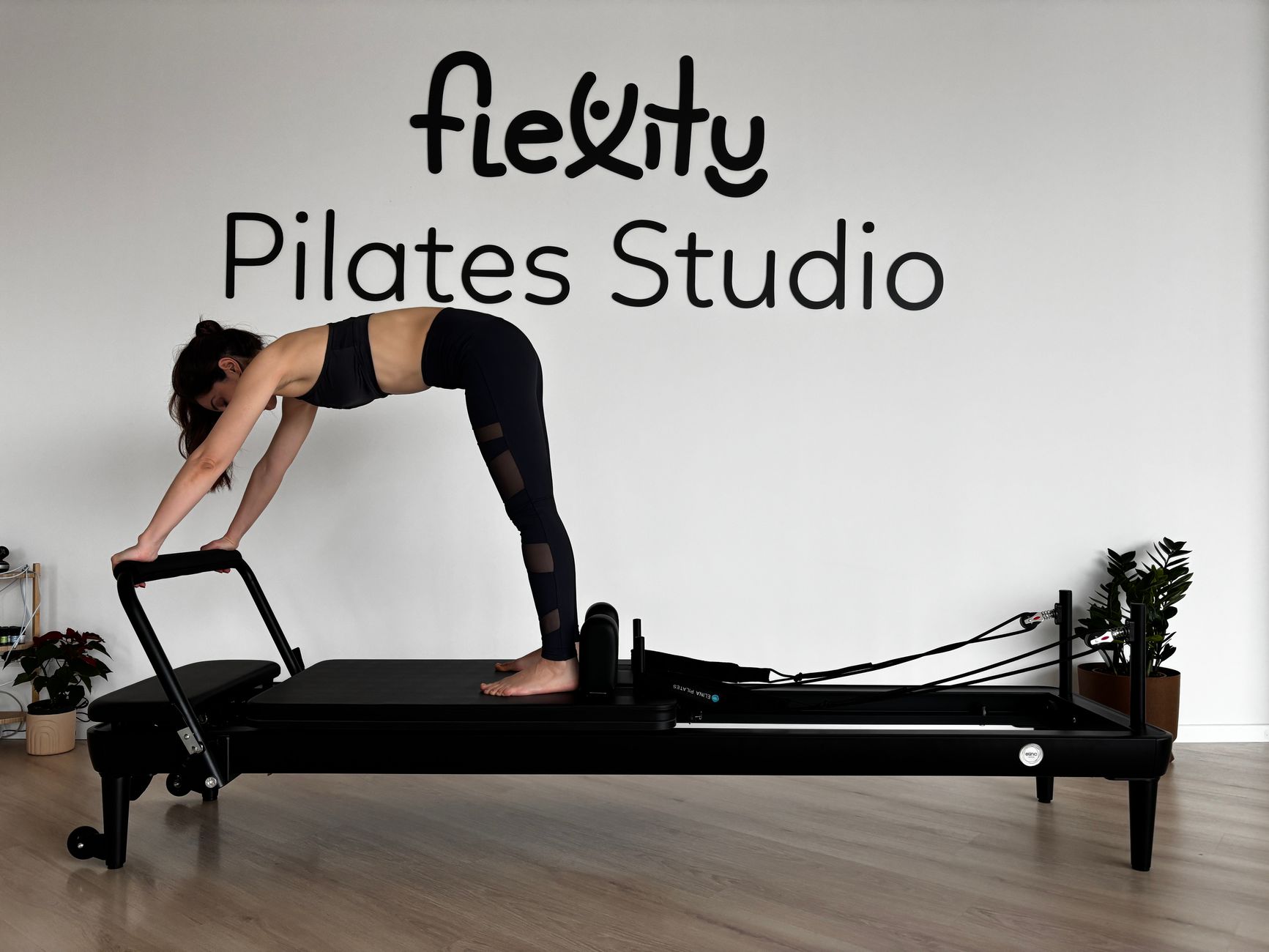
Psoas tightness doesn’t announce itself the way a hamstring pull does. It creeps in as low back stiffness after a long drive, or a subtle hitch in your gait on the stairs, or the feeling that your legs are heavy when you try to lie flat on the mat. Most people ignore it until it becomes something they can’t ignore. Classical Pilates practitioners don’t have that luxury - or rather, they learn not to.
The psoas major connects the lumbar spine to the femur. It crosses the hip joint, passes through the pelvis, and does an enormous amount of work just keeping you upright. When it’s chronically shortened - from sitting, from stress, from poor sleep posture - it starts pulling on structures that have nothing obvious to do with the hip. The lumbar vertebrae compress. The pelvis tips forward. The breath shortens. None of this is abstract anatomy. You can feel it on the Reformer in the first leg spring exercise if you’re paying attention.
Before any session where I’m noticing restriction through the front of the hip, I spend two minutes in a supported supine position with a rolled towel placed just below the lumbar curve. Not foam rolling. Not stretching. Just letting the spine decompress passively while I breathe into the back of the ribcage. The goal isn’t flexibility. It’s resetting the resting tone of the hip flexors before I ask them to do coordinated work.
This matters because a tight psoas in active work isn’t just a range-of-motion problem - it’s a stability problem. The body will compensate. The lower back will grip. The glutes will disengage. You’ll get through the exercise, but you won’t get what the exercise is designed to give you.
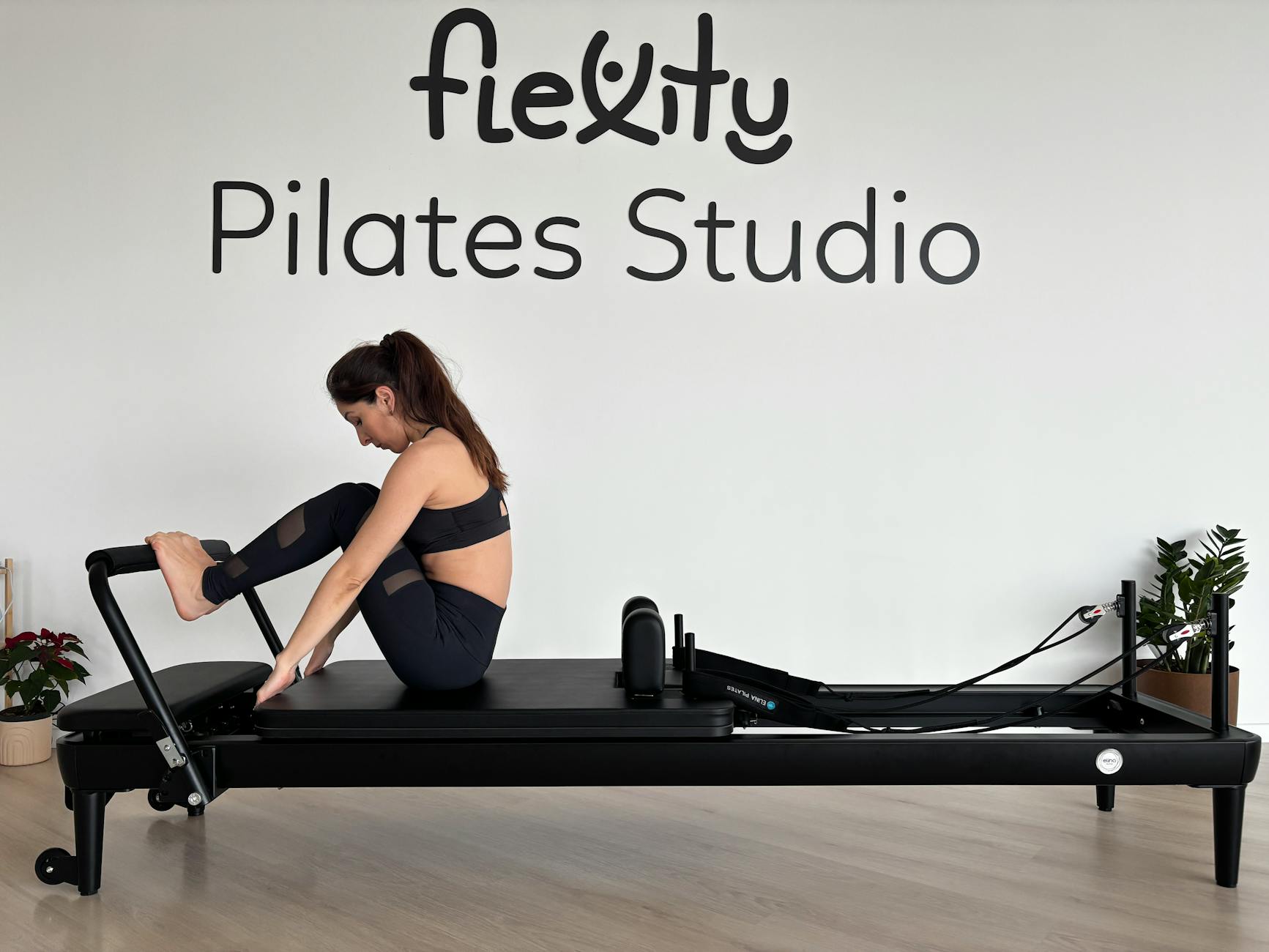
The Stomach Massage series on the Reformer is one of the clearest diagnostic tools I know for this. In the Round position, a client who is carrying tension through the hip flexors will almost always shorten the spine rather than hinge from the hip. The fold collapses instead of deepens. It’s not a strength failure. It’s a length problem presenting as a movement problem.
When I cue “heavy tail, long waist” and the client can actually find it, something releases - not just in the hip, but in the breath, in the shoulders, in the jaw. That’s what chronic psoas tension costs: it pulls the whole system forward and up. Addressing it before class, even briefly, changes what’s available inside class.
Injury prevention in Pilates isn’t only about avoiding wrong movement. It’s about arriving at right movement with a body that’s prepared to receive it. The hip flexors are worth a conversation before every session - not a dramatic protocol, just two minutes of attention and a willingness to notice what’s there.