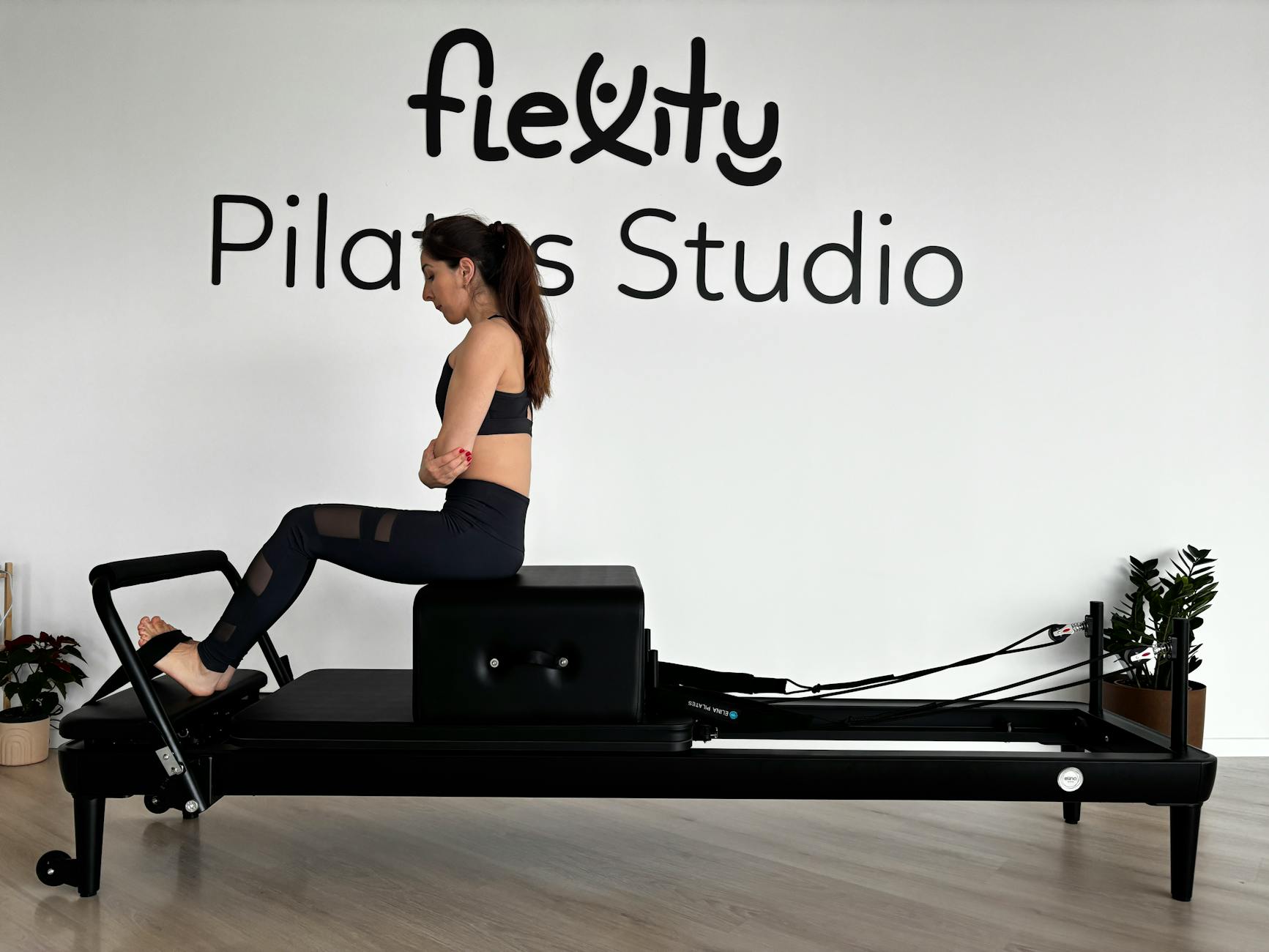
There’s a difference between knowing what resistance you’re working against and actually feeling it move through your body. For a long time, I treated spring tension like a technical setting - something to dial in before the work began, then forget about. A red spring means this. A blue spring means that. Set it, move on.
Then during Footwork one morning, something shifted. I was on three reds, same as always, but I noticed the springs weren’t behaving like a wall I was pushing against. They were pulling back into me - through my heels, up the backs of my legs, into the carriage of my pelvis. The resistance wasn’t just load. It was information.
That distinction matters in Classical Pilates in a way it doesn’t always in other movement practices. The apparatus isn’t passive. The springs respond to where you are in the range, how you’re organized, whether your weight is drifting to one side. They’ll expose a lazy inner thigh or a gripped hip flexor with more honesty than a mirror will. But only if you’re actually listening to them.
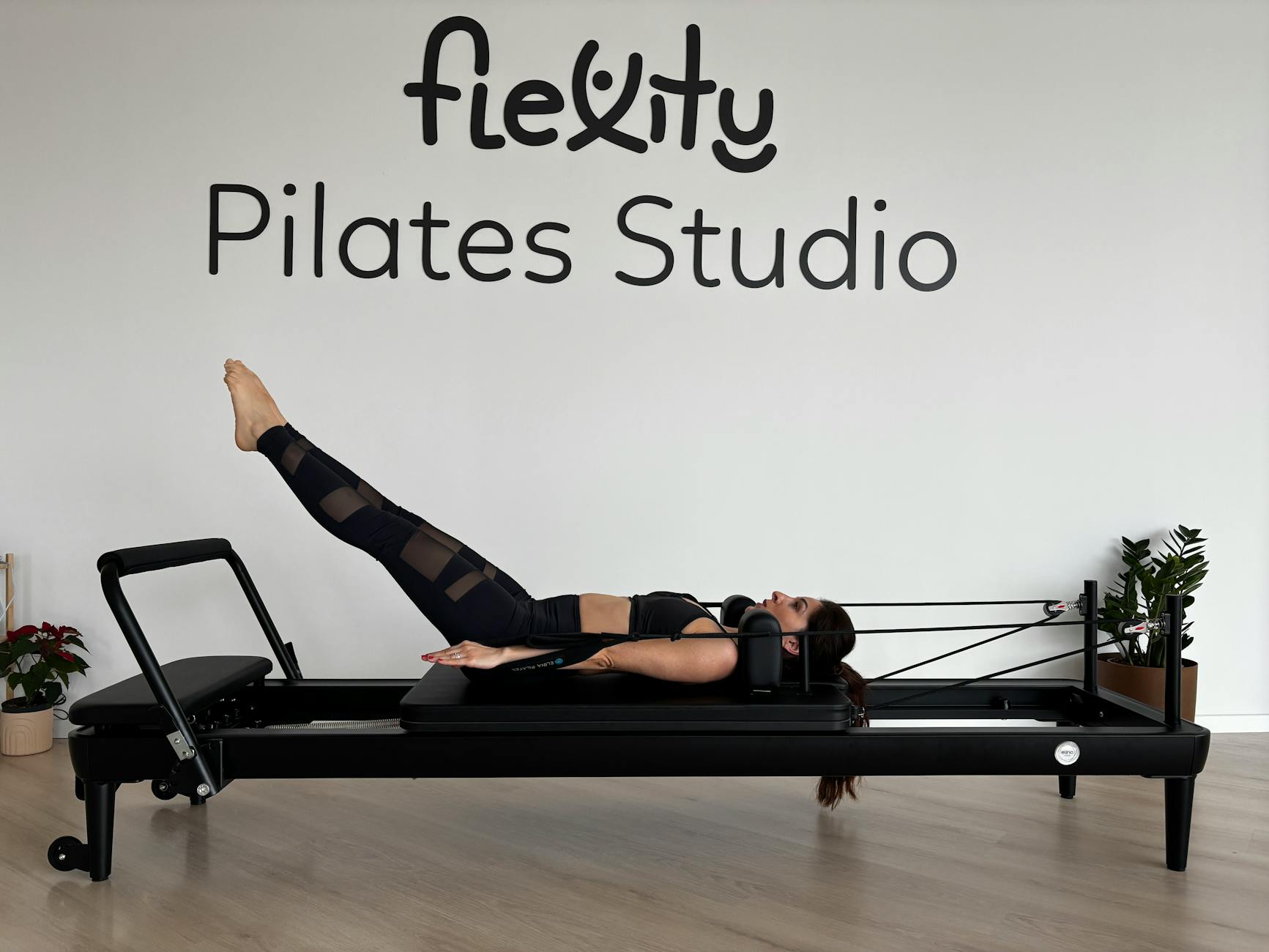
What Listening Actually Looks Like
It’s not passive attention. It’s not relaxing into the sensation. It’s the opposite - a directed, sustained focus on what the spring is doing at each point in the movement. Is it loading evenly through both legs on the return? Is it releasing cleanly, or am I muscling the carriage closed?
I’ve started pausing before I change spring tension to ask whether I’ve actually used the setting I’m on. Sometimes I’ve been moving through it rather than with it.
That’s the mind-body question Classical Pilates keeps asking, just in a different form each time: are you present to what’s happening, or are you executing a shape you’ve already memorized?