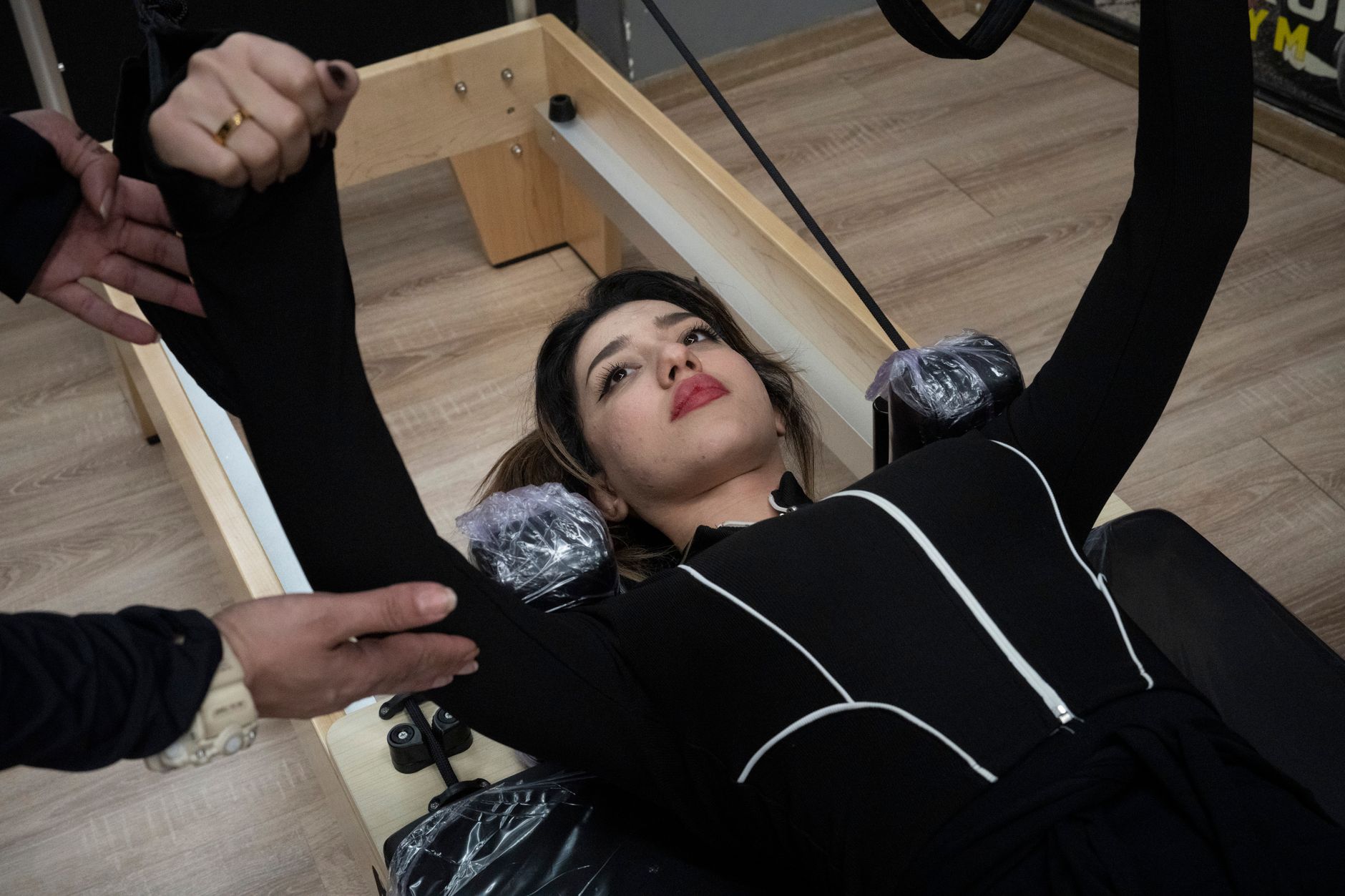
Watch someone new to the Reformer pick up the straps for Rowing, and you’ll almost always see the same thing: fingers wrapped tight, knuckles whitening, breath held somewhere around mid-inhale. They’re not doing this because they’re afraid of the straps. They’re doing it because gripping and breath-holding are the same bracing response, and most people walk around in that state without realizing it.
This matters for recovery and injury prevention more than most people expect. When the hands grip hard, the forearm flexors are working. When the forearm flexors are working, the biceps tend to follow. From there, it’s a short path to the shoulder girdle tightening, the neck compressing, and the whole upper chain locking into a pattern that has nothing to do with the exercise and everything to do with unmanaged tension.
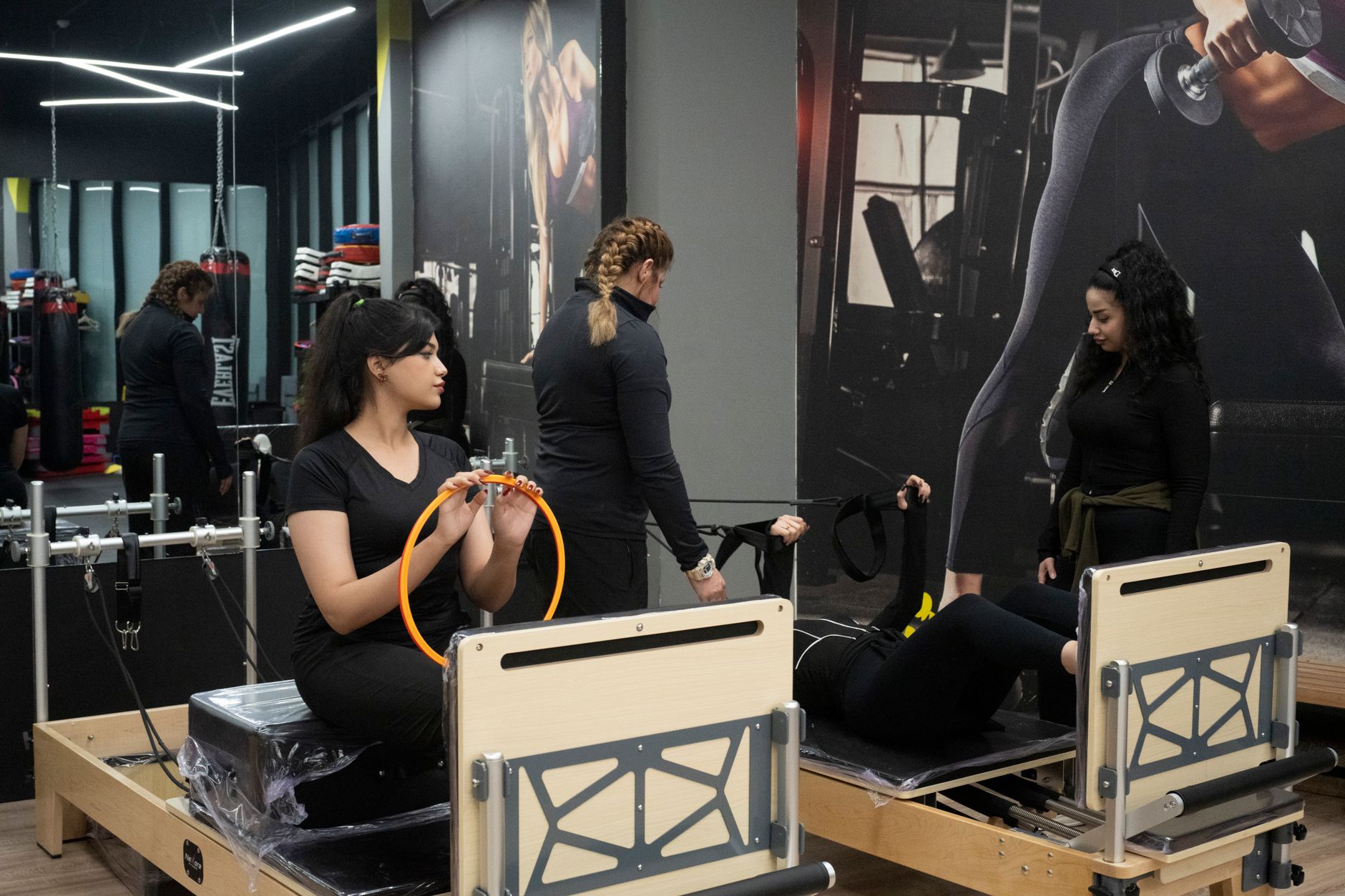
The Breath Is the Reset
In Classical Pilates, the breath isn’t a wellness add-on. It’s structural. The exhale on exertion isn’t a suggestion - it’s what allows the abdominals to fully engage and the pelvic floor to respond. When someone holds their breath through the pull phase of Short Box or through the push of Stomach Massage, they’re not just missing a cue. They’re missing the mechanism.
A held breath keeps the ribcage stiff. A stiff ribcage limits thoracic rotation. Limited thoracic rotation puts demand on the lumbar spine and the cervical spine to compensate. So the person who keeps tweaking their lower back in Twist, or who finishes every session with a tight neck, may not have a back problem or a neck problem. They may have a breath problem.
What to Do Between Sessions
One of the most useful things a practitioner can do away from the apparatus is simply notice when they stop breathing. Not during exercise - during ordinary moments. Sitting at a desk, reading something stressful, waiting in traffic. The grip-and-hold pattern lives there too, and it carries directly into the next session.
Releasing the hands - literally uncurling the fingers and letting the palms open - is a fast way to interrupt the pattern. The hands and the breath are in conversation. Soften one, and the other tends to follow.
The Reformer will keep showing you this. Every time the carriage moves and the hands tighten ahead of it, the body is telling you something about where it defaults under load. That information is worth paying attention to long before anything becomes an injury.