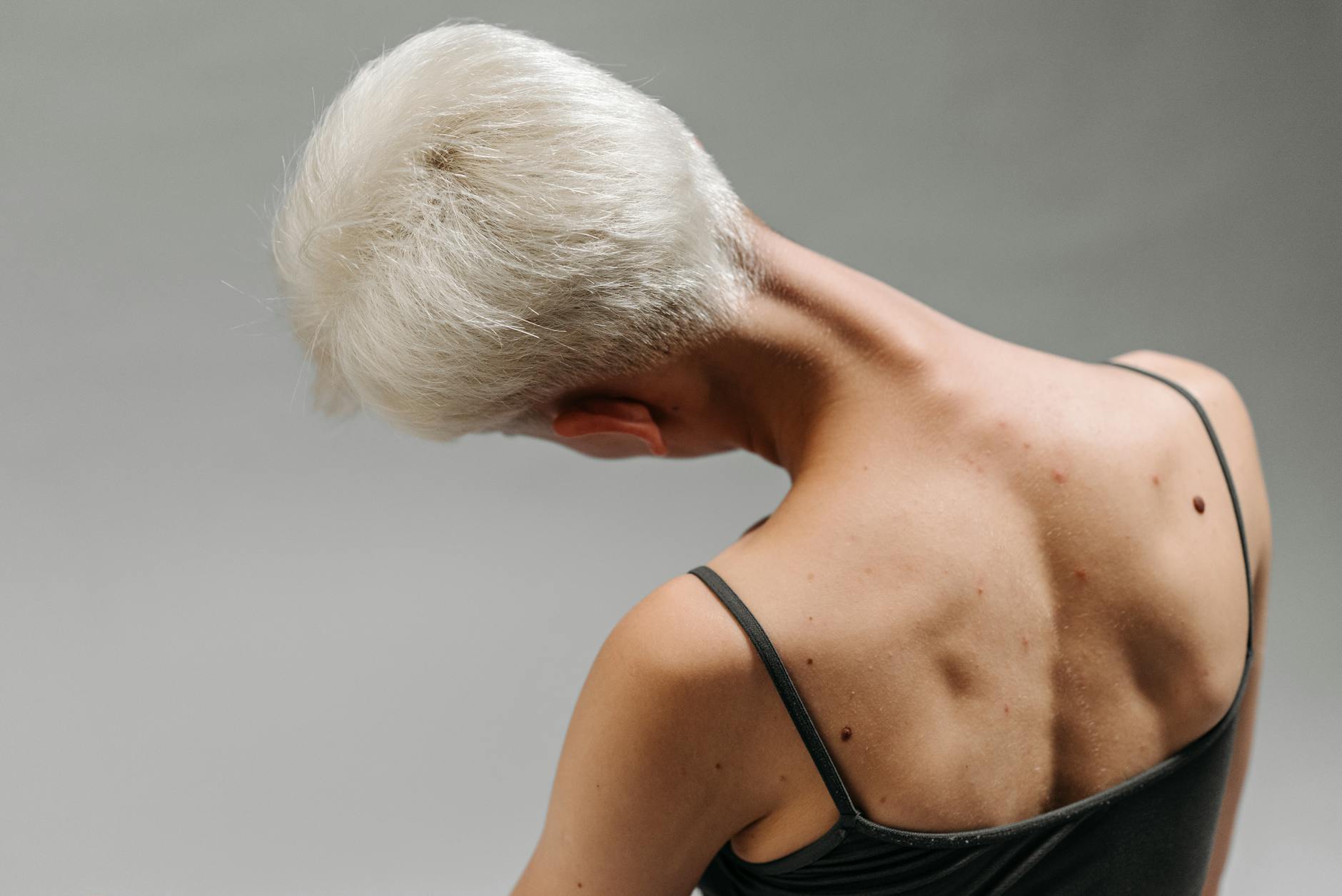
The lumbodorsal fascia-also called the thoracolumbar fascia-is a dense, diamond-shaped sheet of connective tissue that spans the lower and mid back. It connects the latissimus dorsi, the gluteus maximus, the erector spinae group, and the internal obliques into a single tensioning system. It is not a passive structure. It loads and releases like a spring, and in Classical Pilates, we trigger it constantly-usually without naming it.
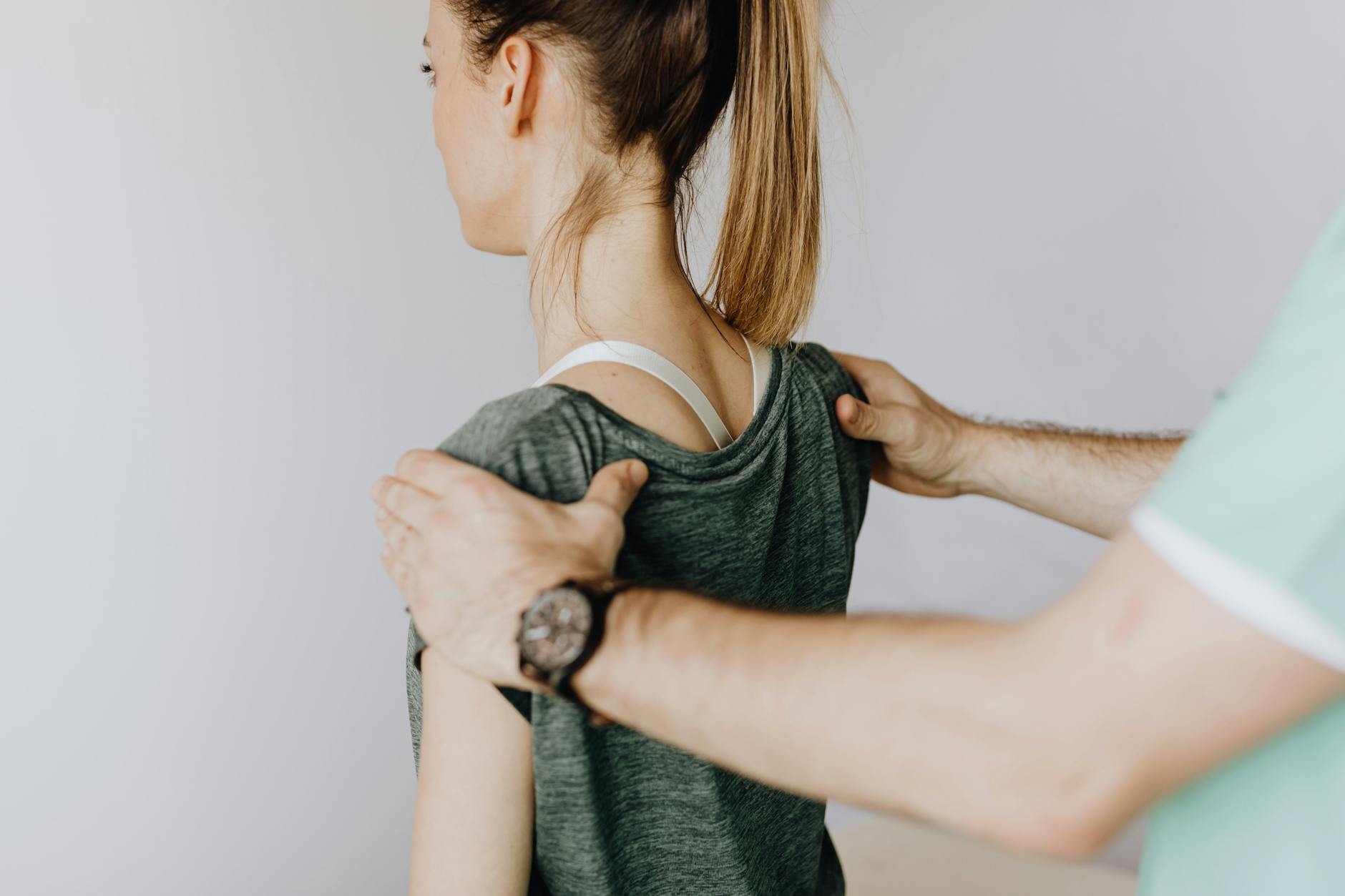
What It Actually Does
The thoracolumbar fascia has three layers. The posterior layer is the one that matters most here: it attaches laterally to the transverse abdominis and internally oblique via their aponeuroses, creating what researchers call a “posterior oblique sling.” When the transverse abdominis contracts and draws the abdominal wall inward, it pulls on that posterior layer, increasing tension across the lumbar spine.
This is exactly what happens in Swan on the reformer or in the Swan Dive on the mat. When you press into the footbar or floor and draw the abdominals in-rather than simply pushing the spine backward-you are using the fascia as a tensioning cable, not compressing the posterior vertebral bodies together. That distinction is the difference between a supported spinal extension and one that loads the facet joints unnecessarily.
Why Classical Pilates Loads It Well
Classical method emphasizes opposition in every extension exercise. In Swan Dive, the legs reach away as the chest lifts. In Rocking on the mat, the arms and legs pull against each other simultaneously. This oppositional loading is not aesthetic-it creates longitudinal tension through the fascial system before the movement reaches its apex.
Modern fitness approaches to spinal extension often skip this. They cue “lift your chest” without addressing what the lower body is doing, which means the lumbodorsal fascia never fully engages. The spine extends, but without the tensile support that makes extension safe and repeatable.
Back Extensions on the Cadillac with the push-through bar are particularly useful for teaching this. The bar creates resistance that asks the posterior chain to lengthen against load, which is precisely the condition under which the thoracolumbar fascia does its best stabilizing work.
The Practical Note
If a client is consistently gripping in the lumbar region during extension exercises, the problem is rarely that the spine is too stiff. More often, the transverse abdominis is not creating enough pre-tension through the fascia before the movement begins. The fix is not to mobilize the spine more. It is to cue the abdominals earlier-before the extension starts, not after the discomfort has already arrived.