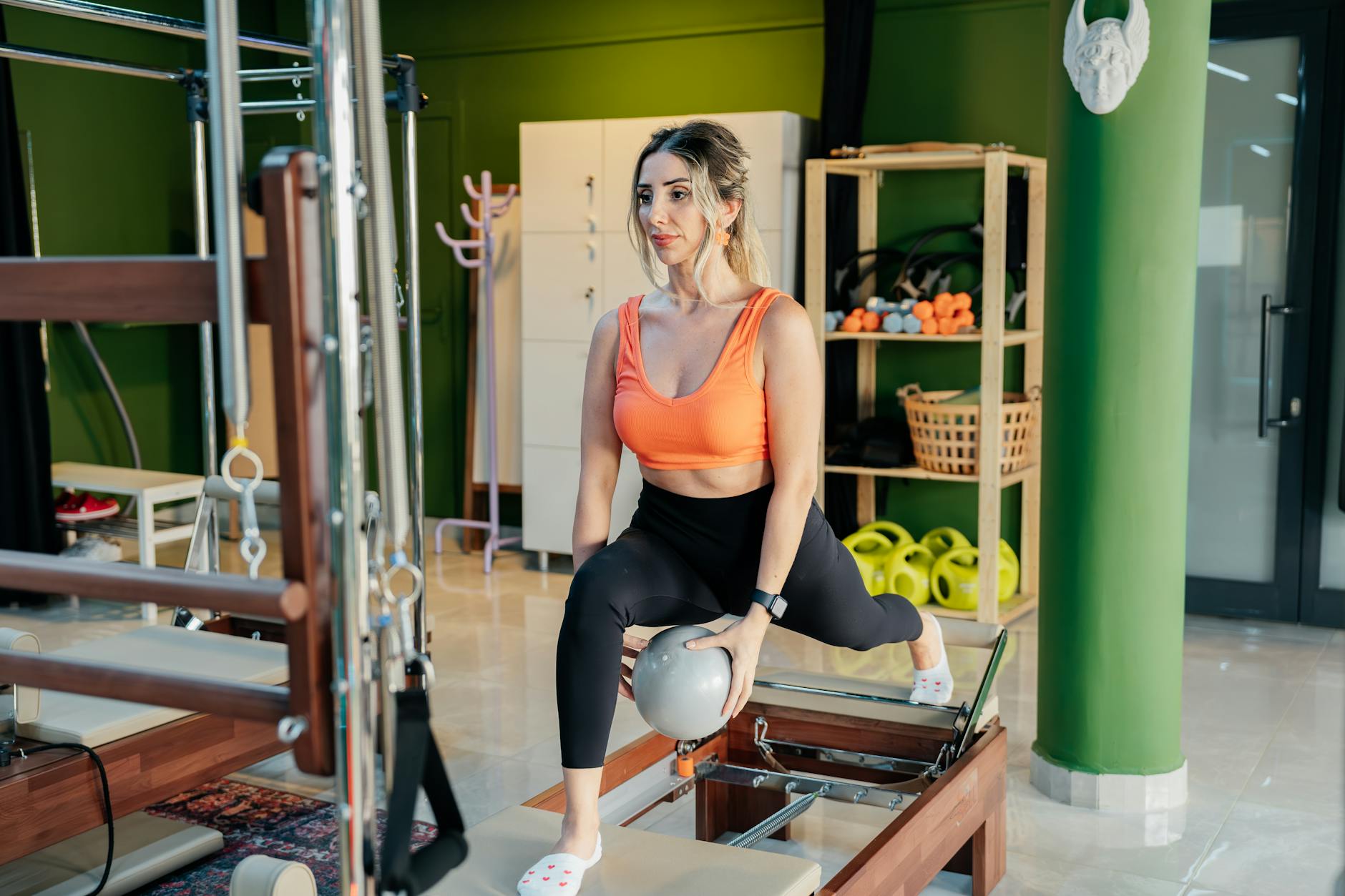
There’s a specific moment in Footwork on the Reformer - usually around the third or fourth set - when I stop tracking how many reps I’ve done and start actually feeling my heels on the bar. Not thinking about them. Feeling them. The weight distribution shifts slightly, the carriage moves differently, and suddenly the exercise is doing something it wasn’t doing thirty seconds ago.
That’s not an accident of fatigue. That’s concentration finally arriving.
The Sixth Principle Isn’t an Add-On
Joseph Pilates named Concentration as one of the six foundational principles of his method - alongside Control, Centering, Precision, Breath, and Flow. It’s listed, acknowledged, and then often quietly set aside once class starts. We focus on the shape of the movement, the breath pattern, the instructor’s cue. Concentration gets treated like a warm attitude to bring to the mat rather than an active, physical skill to practice.
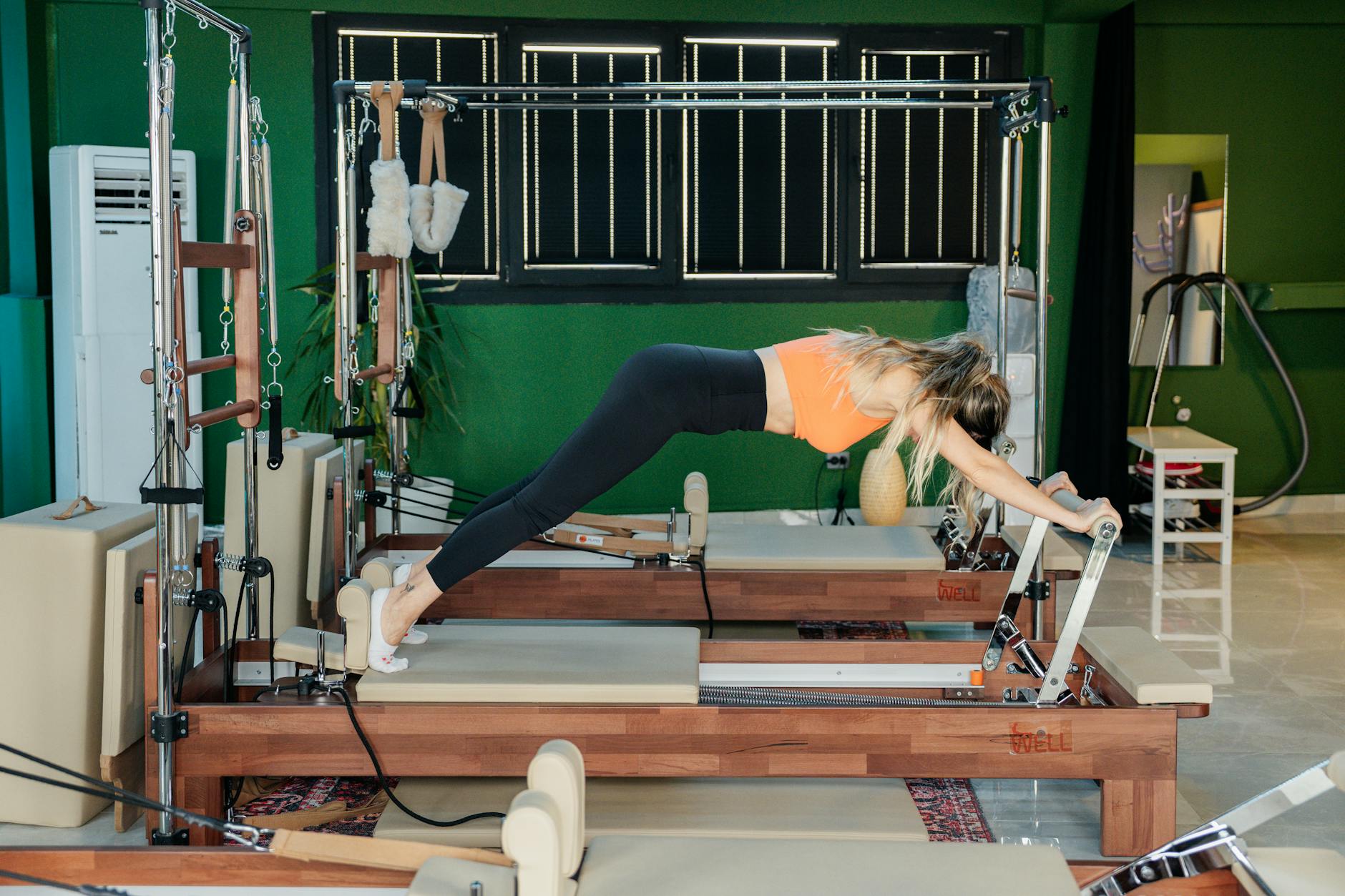
But in Classical Pilates, concentration is mechanical. It changes the quality of muscular recruitment. When I’m genuinely attending to the back of my thigh during Long Stretch rather than just pressing the carriage out, the hamstring engages differently. The movement becomes more honest. The body stops compensating through the path of least resistance because the mind has closed off that escape route.
Awareness as Correction
I’ve had sessions where no external correction was needed - not because my form was perfect, but because I was paying close enough attention to self-correct before anything went wrong. That kind of internal feedback loop is what Joseph Pilates was pointing at when he described his method as the complete coordination of body, mind, and spirit.
It doesn’t require a quiet mind. It requires a directed one. Focused on this spring tension, this hip position, this exact moment of transition.
The counting can wait.