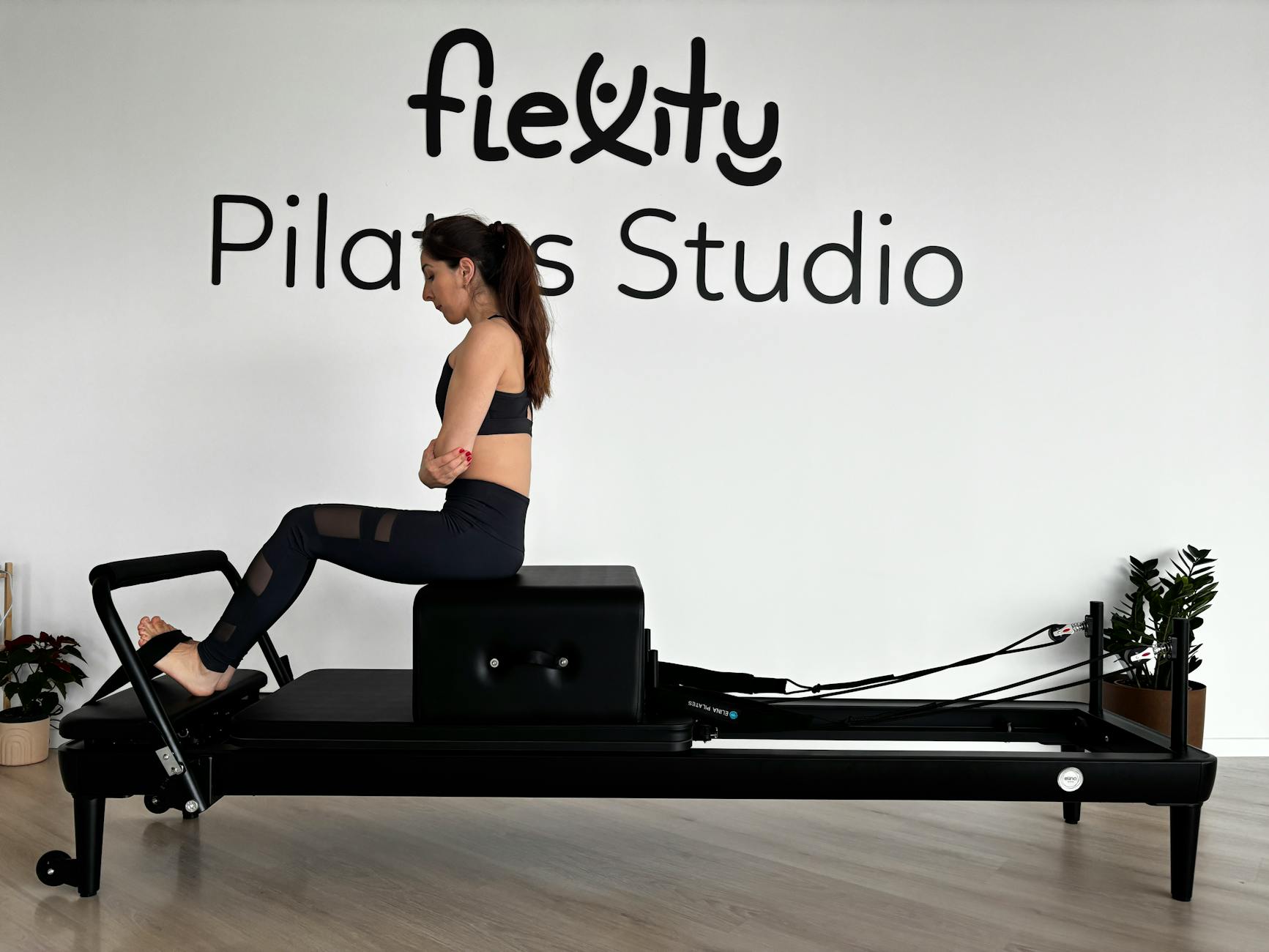
Neck tension after abdominal work is one of the most common complaints I hear in the studio. And almost every time, the fix people try-dropping the head, softening the chin, releasing the jaw-addresses the symptom and ignores the source. The neck is not generating that tension. The thoracic spine is failing to show up, so the neck compensates.
In Classical Pilates, the curl of the upper body in exercises like the Hundred, the Roll-Up, or the Single Leg Stretch is meant to come from thoracic flexion-a genuine C-curve through the mid-back. When the thoracic spine is stiff or underused, the neck picks up the slack. It hyperflexes trying to simulate a curl the mid-back isn’t producing. Hold that position for three sets of ten and your neck will let you know about it for the next two days.
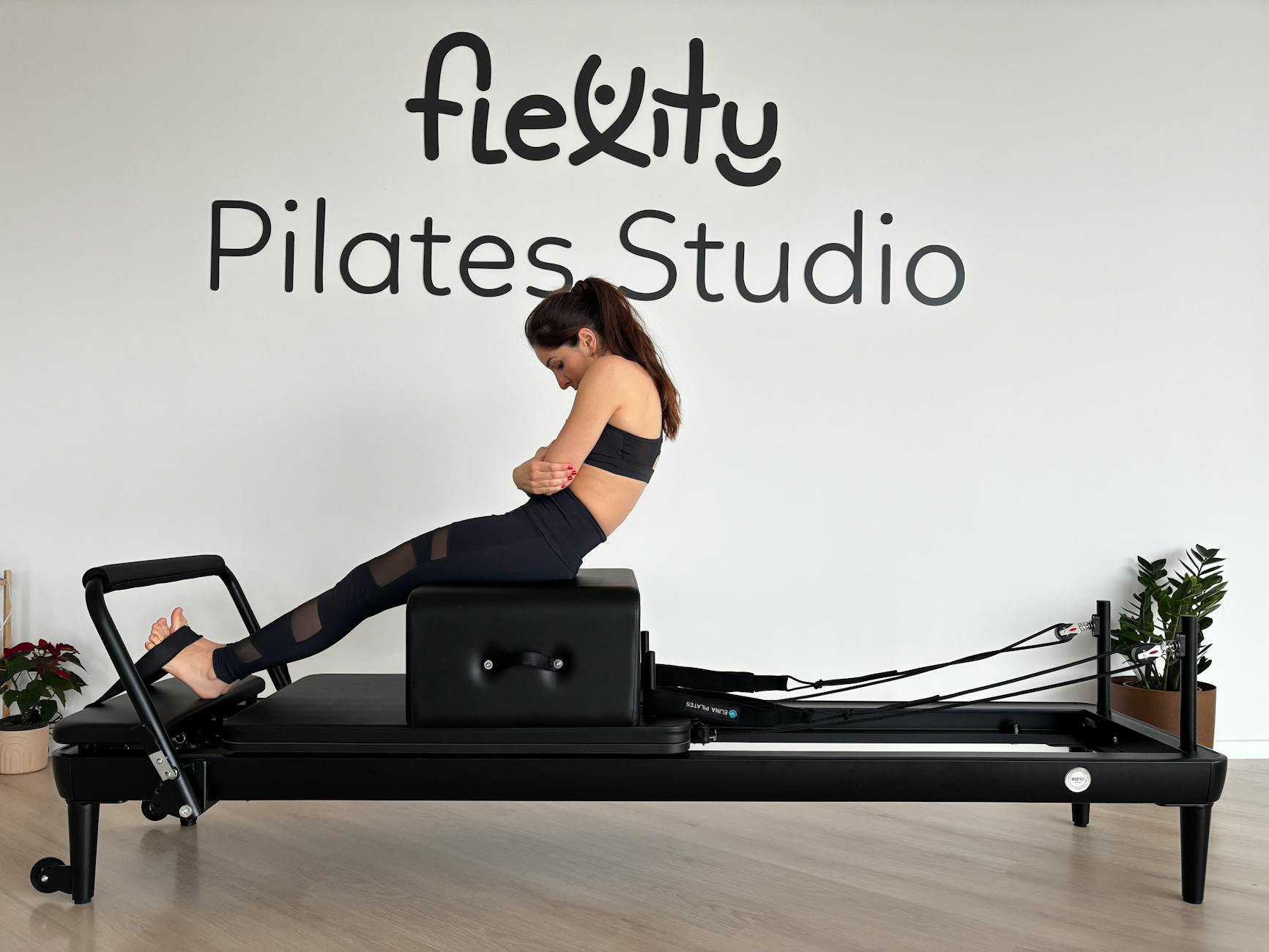
The thoracic spine has twelve vertebrae and is designed to flex, extend, and rotate. Most people arrive at the studio having done none of those things deliberately in years. Sitting, driving, and screen time don’t immobilize it in a fixed position so much as they leave it habitually underloaded-small, passive ranges that never challenge the full capacity of the joints or the muscles surrounding them.
The Spine Corrector is the most direct tool I use for this. Draping over the arc and allowing the thoracic spine to extend passively over the barrel-before asking it to flex actively-gives the tissues a chance to reorganize before work begins. Even five minutes there before a session changes what I see in the abdominal series that follows.
If you are consistently leaving class with a tight neck, the question worth asking is not how do I relax my neck but where is my thoracic spine in this exercise. Place two fingers between your shoulder blades during a chest lift and try to feel those vertebrae respond. Most people find-at first-that they don’t feel much at all.
That absence of sensation is information. The neck is noisy because something quieter upstream isn’t doing its share.
Recovery from recurring neck tension in Pilates doesn’t require massage or rest. It requires teaching the thoracic spine to take back the work it abandoned. That’s a training problem, and it has a training solution.