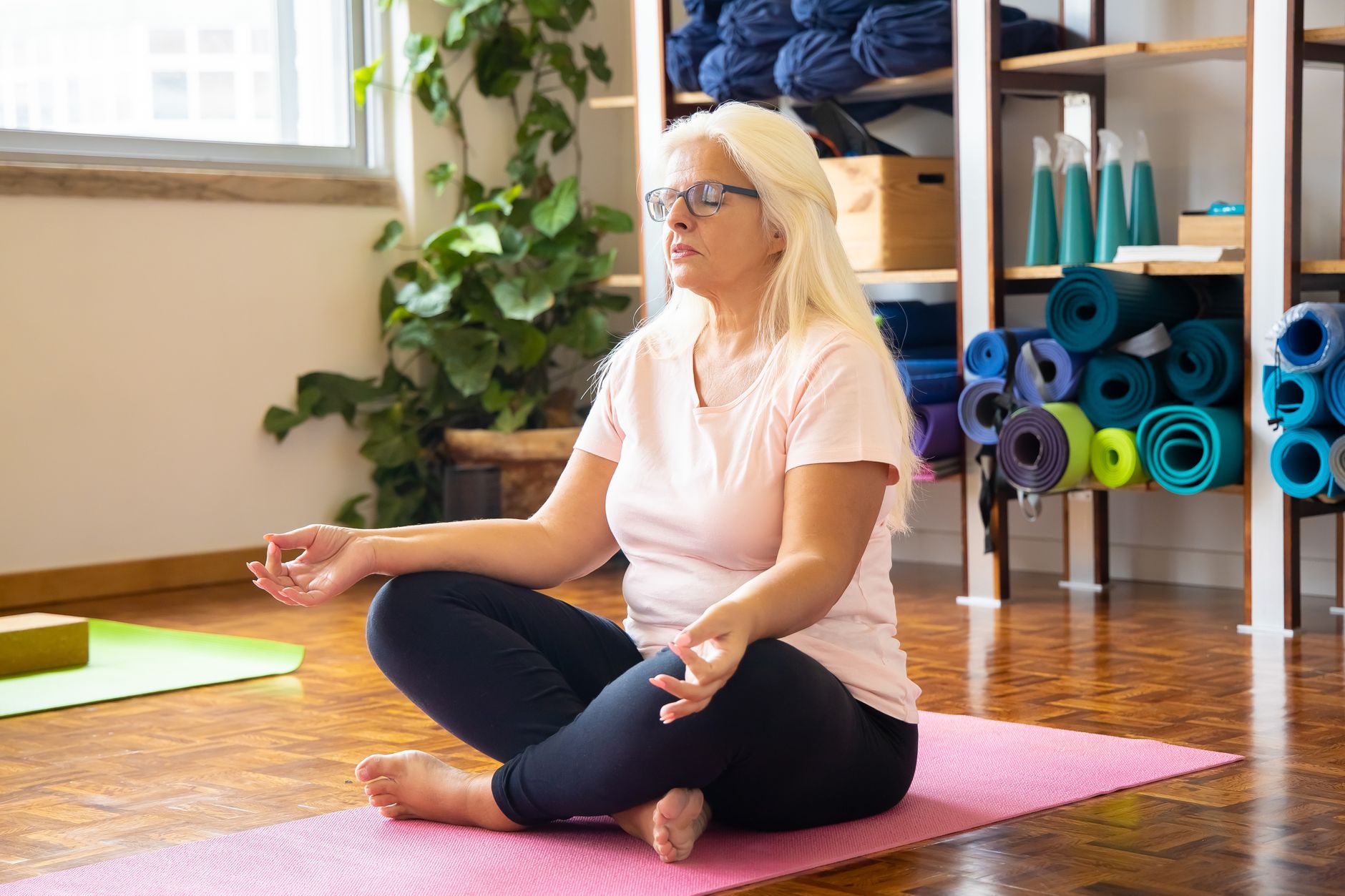
Most people treat the first exercise as the beginning of the session. It isn’t. By the time you lie down on the mat or step onto the Reformer, your nervous system has already made several decisions about how available your body is going to be - how much range it will offer, how quickly your muscles will respond, whether your breath will flow or brace.
The session starts in the parking lot.
This is not abstract. If you drove to the studio in traffic, spent the last hour in a difficult meeting, or skipped lunch, your sympathetic nervous system is already running the show. Cortisol is up. Accessory breathing muscles - scalenes, upper trapezius, sternocleidomastoid - are doing work they were never meant to sustain. Your psoas, which responds directly to threat signals, is already shortened and loaded before you’ve done a single rep.
Classical Pilates, taught with fidelity to the system, addresses this - not because it’s therapeutic in a clinical sense, but because the method was designed around breath, sequence, and the graduated loading of the whole body. The order of the mat work is not arbitrary. The Hundred comes first partly because forced exhalation through pumping arms is one of the fastest ways to shift respiratory dominance away from the upper chest and back toward the diaphragm. That shift matters. A body breathing from the diaphragm moves differently than one bracing through the throat and shoulders.
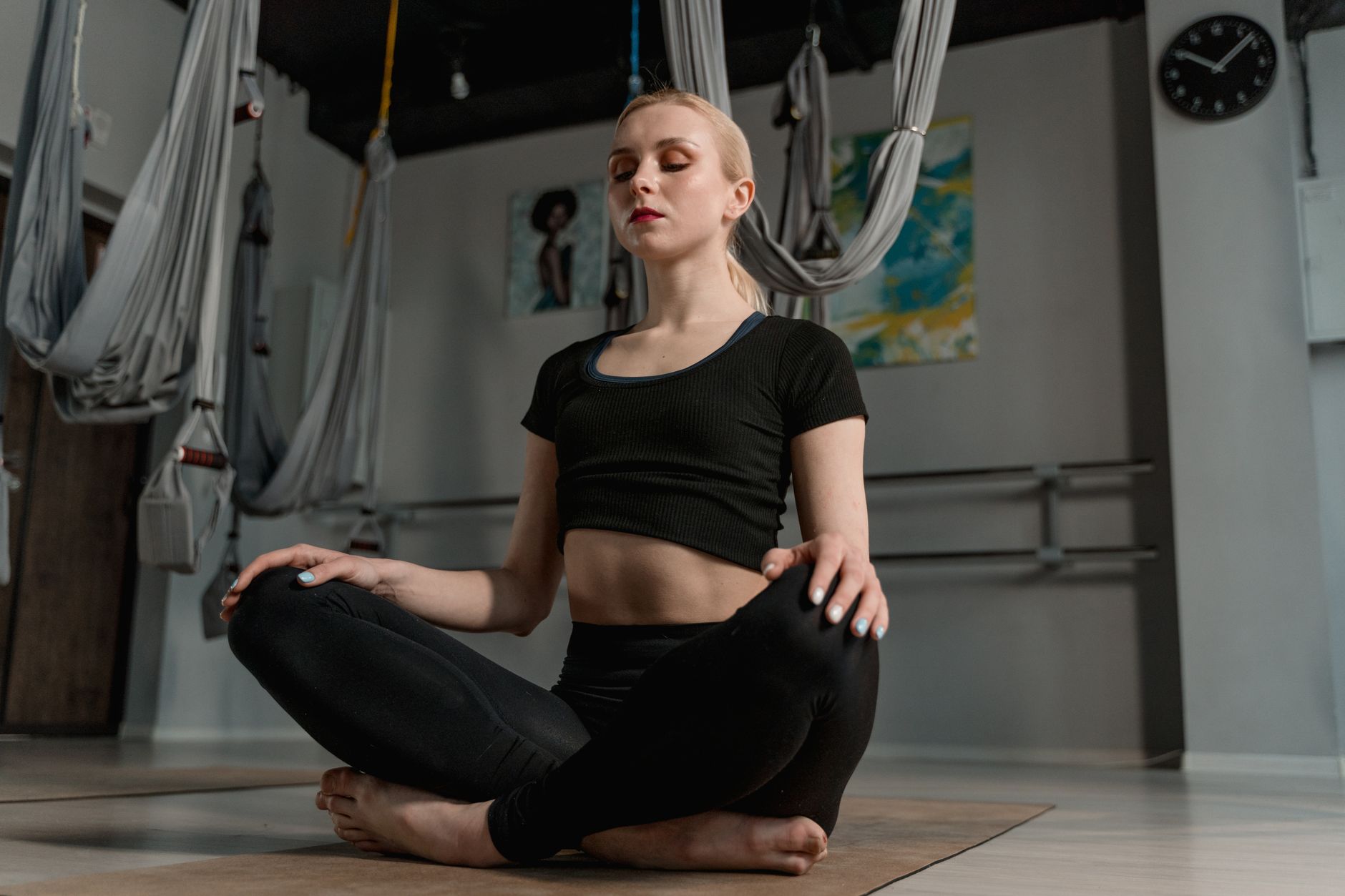
What this means practically: the transition into class deserves attention. Not a ritual, not a warm-up sequence added onto the method - just two or three minutes of lying still, letting the exhale lengthen, noticing where the ribs are and whether they’re moving at all. Teachers who give clients that window before the first cue often find that the work lands faster and goes deeper within the same session.
Injury prevention in Pilates is rarely about the exercise that caused the problem. It’s about the accumulated state the body was in before that exercise happened. A Swan on a body that never downregulated from the morning commute is a different proposition than the same exercise on a body that arrived. The method can do a lot. It cannot override what you walked in carrying - unless you give it a moment to try.
The apparatus helps here more than the mat, in one specific way: the feedback is immediate and honest. A Reformer carriage that jerks, stalls, or drifts is telling you something about the nervous system running the movement. That information is available from the first push. Whether you use it is a different question.