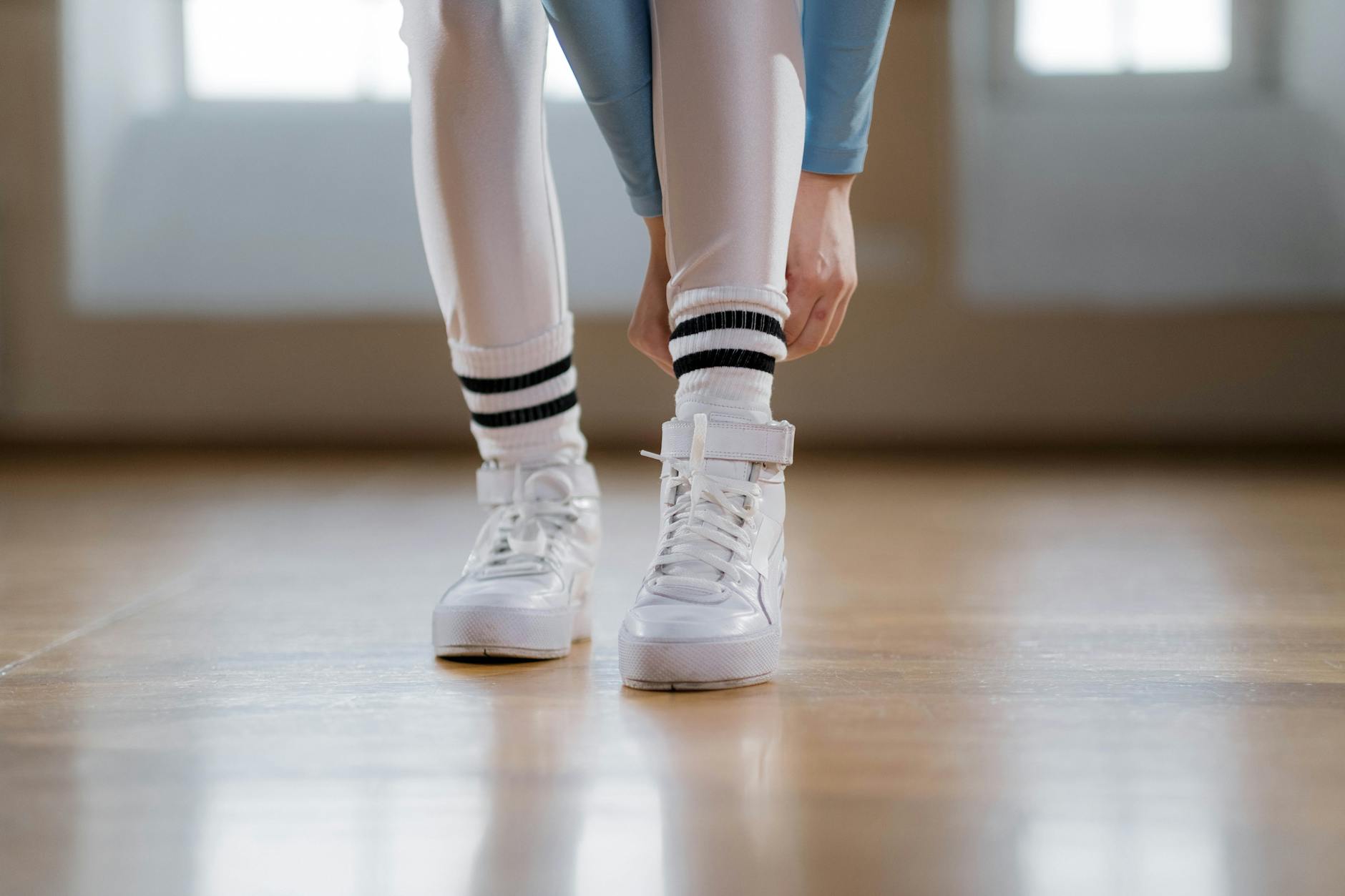
Showing up to the studio already dressed is the smallest thing I do that has the most consistent effect on how a session goes.
This started out of convenience - I teach early, the studio is close, there’s no real reason to change twice. But I kept noticing a difference on the mornings I arrived still in my street clothes versus the mornings I walked in already wearing my grip socks and fitted top. The sessions where I had to change first felt like I was still arriving even after I got on the apparatus.
The act of getting dressed at home moves the beginning of the session back by thirty minutes. By the time I walk through the door, some part of me has already committed. The body has already received one instruction: this is not a regular morning.
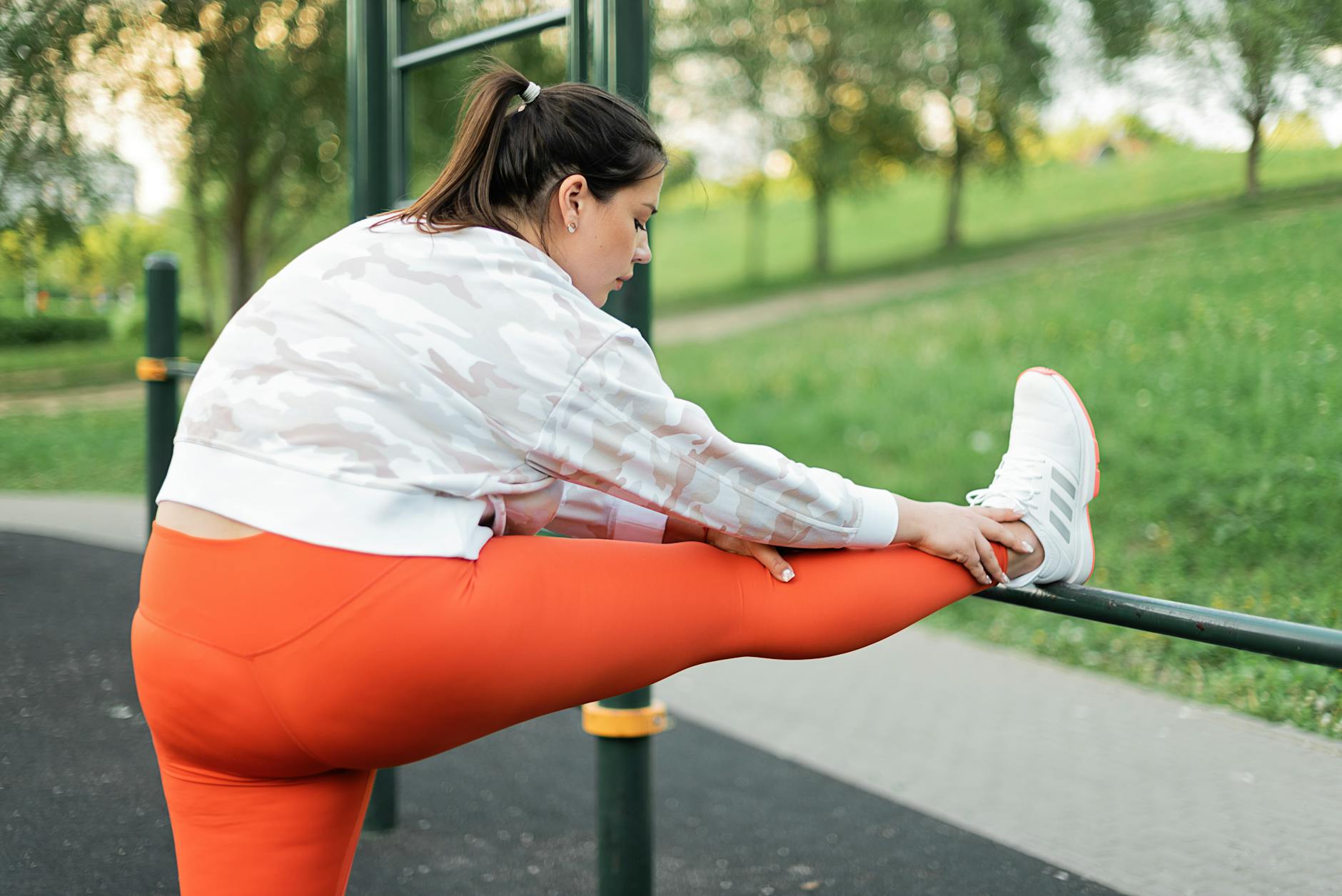
Classical Pilates is not casual movement. The work asks for a quality of attention that doesn’t materialize the moment you clip into the footbar. It builds. The changing of clothes - the specific clothes, not leggings you slept in - is part of that build. It signals a shift in context the same way a warm-up does, or the same way breathing out fully before the Hundred prepares you for what the Hundred is actually asking.
I’m not talking about ritual for ritual’s sake. I’m talking about removing one transition that costs mental energy you’d rather spend on your lumbar articulation in the Short Spine or staying honest in your footwork. Every buffer you strip out between waking up and working well is worth something.
What you wear matters too - not for aesthetics, but because fitted clothing lets you see your body and lets an instructor see it. Baggy clothes hide a tucked pelvis. They hide a collapsed waist. Getting dressed in something specific is a choice to be visible, to yourself and to whoever is teaching you.
The session starts before you arrive. Dress accordingly.