
Most people treat the time between Pilates sessions as neutral - a gap to be filled until the next appointment. It isn’t. What the body does in those 48 or 72 hours is where adaptation actually happens. The session creates the stimulus. Everything after is the response.
This isn’t abstract physiology. It shows up concretely on the reformer. A client who slept poorly, sat compressed for eight hours, and didn’t hydrate will move differently than one who didn’t. The psoas won’t release the same way. The scapulae won’t set. The breath will stay shallow because the ribcage is already braced from a day of low-grade tension. You can feel it in the first few exercises.
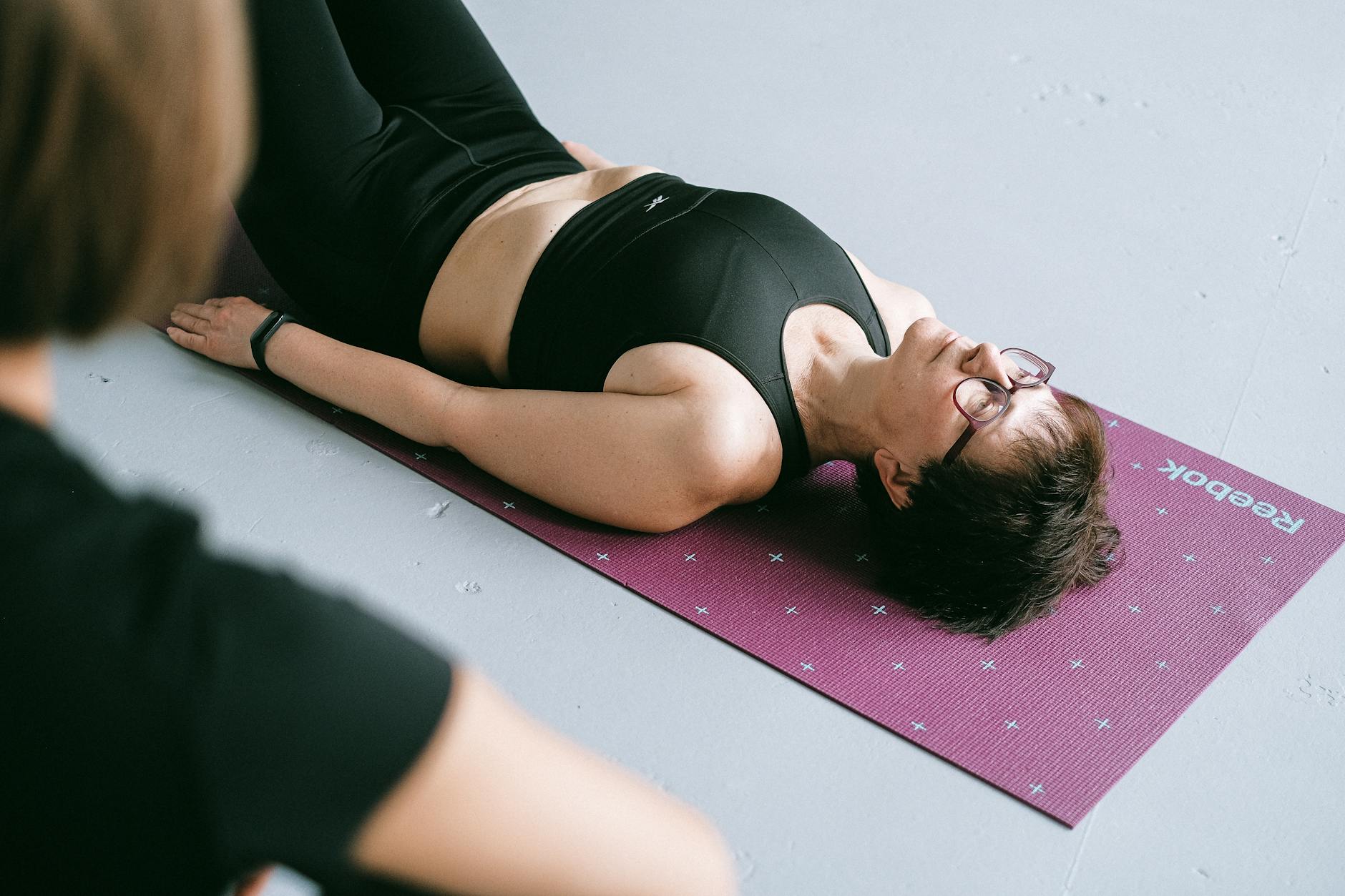
Breath Is the First Thing to Go
When recovery is incomplete - whether from overtraining, poor sleep, or accumulated stress - lateral thoracic breathing is usually the first casualty. The accessory muscles of the neck take over. The lower ribs stop moving. And then every exercise that depends on breath-driven abdominal engagement - the Hundred, the Stomach Massage, the Long Stretch - loses its internal engine.
The fix isn’t to breathe harder in the session. It’s to notice, in the hours before, whether you’re breathing at all. Sitting at a desk with the chest caved and the breath riding high in the throat is not rest. It’s low-level guarding, and the body arrives to the next session already in that pattern.
One practical thing: lie on your back over a rolled towel placed horizontally across the mid-thoracic spine for five minutes before sleep. Not as a stretch. As a reset. Let the weight of the ribcage drop. Let the exhale lengthen without forcing it.
What Counts as Recovery in This Context
In Classical Pilates, recovery doesn’t mean doing nothing. It means avoiding the things that undo the session’s work. Sustained compression - long drives, desk posture with no interruption, sleeping curled tight on one side - compresses the same structures you just spent an hour organizing.
Walking helps. Not as cardio, but as rhythmic, upright, reciprocal movement that keeps the fascial system mobile without loading it. Twenty minutes is enough to matter.
Ice and heat are often overcomplicated. Soreness after a well-executed session - especially after deep abdominal or spinal work - doesn’t need intervention. It needs time and movement. Reaching for compression or contrast therapy for ordinary muscle fatigue shortcuts the process the body is trying to complete.
The session is an hour. The recovery is everything else. Treating it that way changes what you’re able to do when you come back.