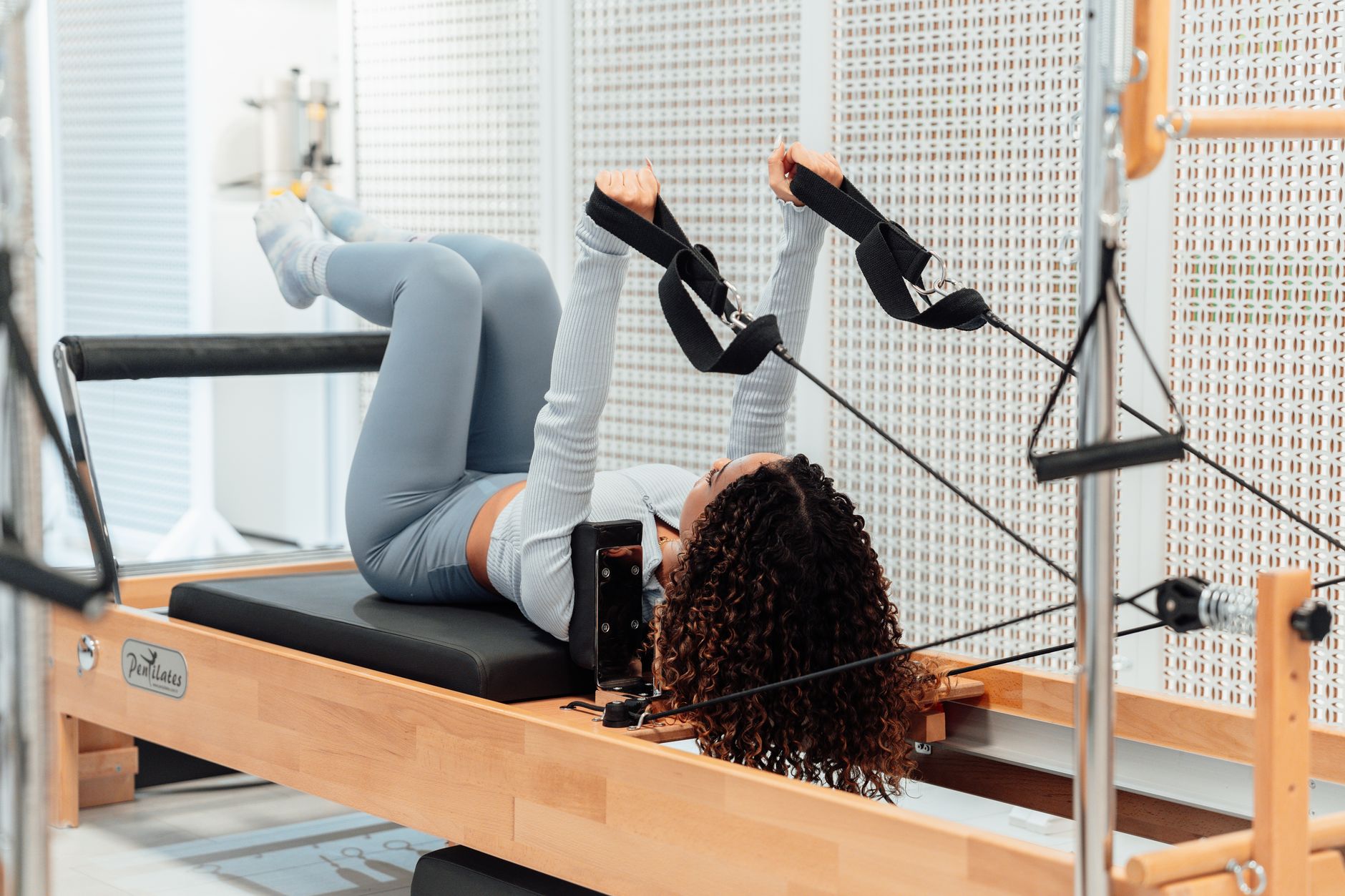
Most people push against the footbar. That is not a criticism - it is what the body defaults to when it wants results without process. Push, extend, return. Check the box. But somewhere around the third year of consistent practice, the footbar stopped feeling like resistance to overcome and started feeling like information I was either receiving or ignoring.
What the Pressure Tells You
Foot placement on the bar is specific in Classical Pilates. Arches, heels, toes - each position asks a different question of the leg. But the bar also reflects back how you are initiating. If I am gripping through my toes before I even press out, the footbar registers that. If my left heel is loading differently than my right, the bar does not lie about it. It cannot.
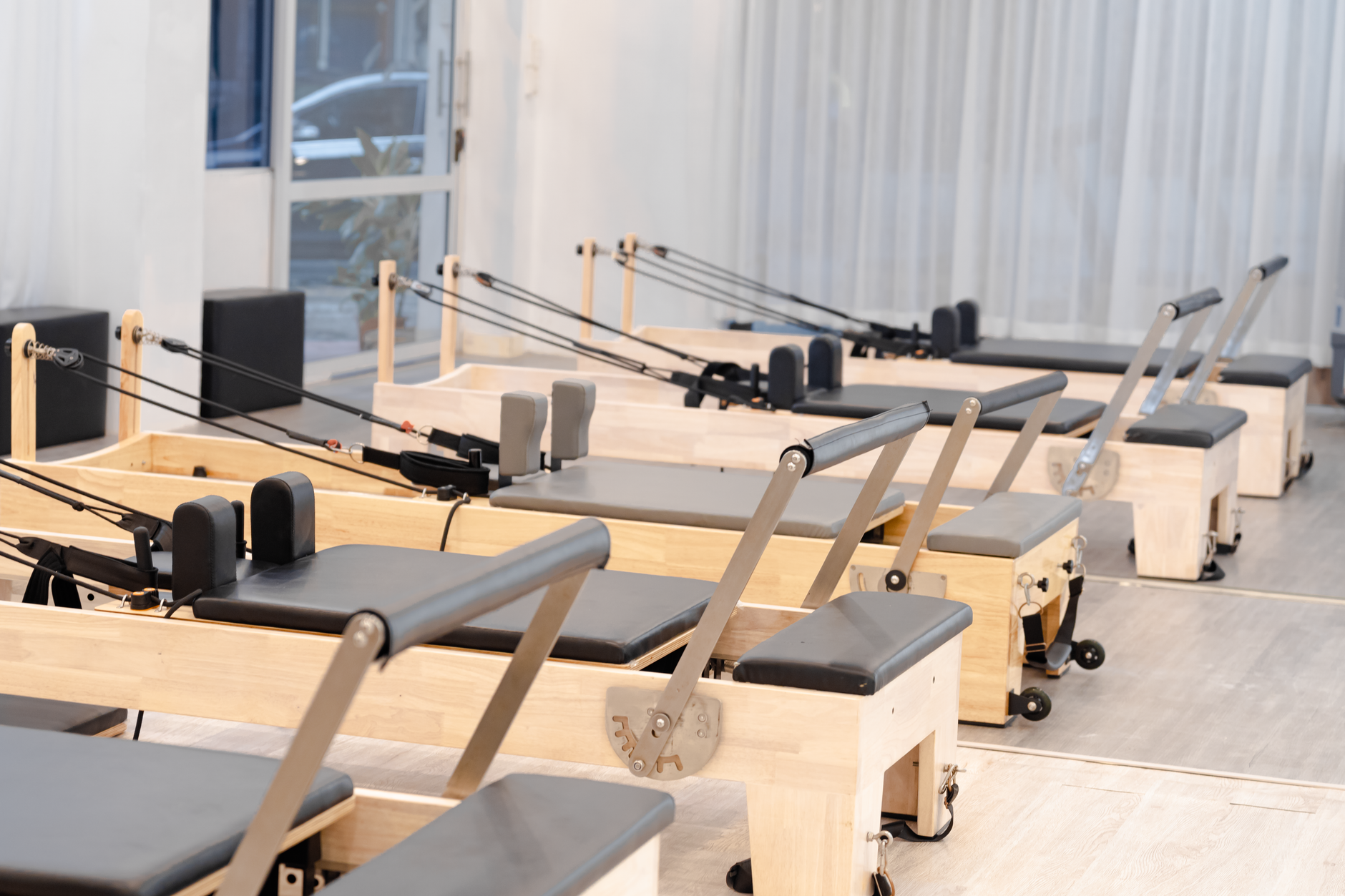
This is different from thinking about the footbar. It is closer to attending to it - staying in contact with the sensation of pressure across the full surface of the foot, noticing when that pressure shifts or disappears without my permission. During Footwork on the Reformer, I can feel the moment my concentration drops because the contact changes. The heel lifts slightly. The arch goes passive. The bar stops being a conversation and becomes just a surface I am pushing off of.
The Difference Is Small and It Is Everything
Concentration in Pilates is not focus in the athletic sense - gritting through and driving harder. It is closer to listening with the part of the body that is working. Joseph Pilates called it connecting the mind and body, but the studio version of that phrase gets used so loosely it has nearly lost its meaning.
What I mean is simpler: when I press into that bar and actually feel what it tells me, the movement changes. Not dramatically. The springs do not suddenly feel lighter. But something organizes that was not organized before, and the rep counts for something.