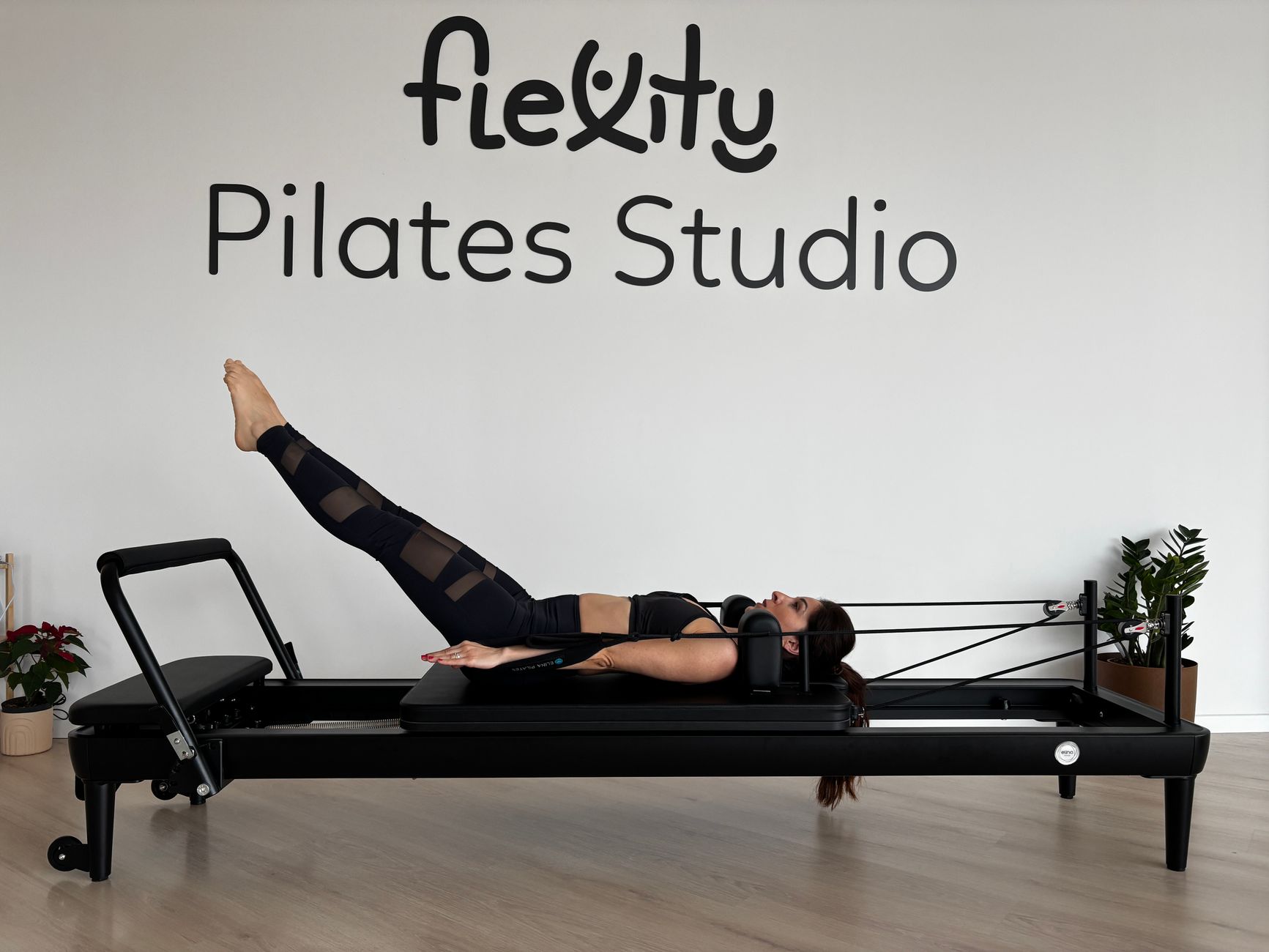
Footwork on the Reformer is where most people expect to warm up. What it actually does is report. Within the first few repetitions on heels, a trained eye can see uneven loading, a pelvis that won’t stay neutral, a lumbar spine that has decided to borrow stability from somewhere it shouldn’t. The foot is just where the information surfaces.
The foot is the last stop on a chain that starts at the lumbar spine.
When one heel presses into the bar with noticeably less confidence than the other - or when the ankle rolls even slightly - the instinct is to address the ankle. Stretch the calf. Mobilize the joint. Sometimes that’s appropriate. But just as often, the reluctance at the heel traces back to how the pelvis is positioned, and the pelvis traces back to how the lumbar vertebrae are loading. The foot didn’t create the problem. It inherited it.
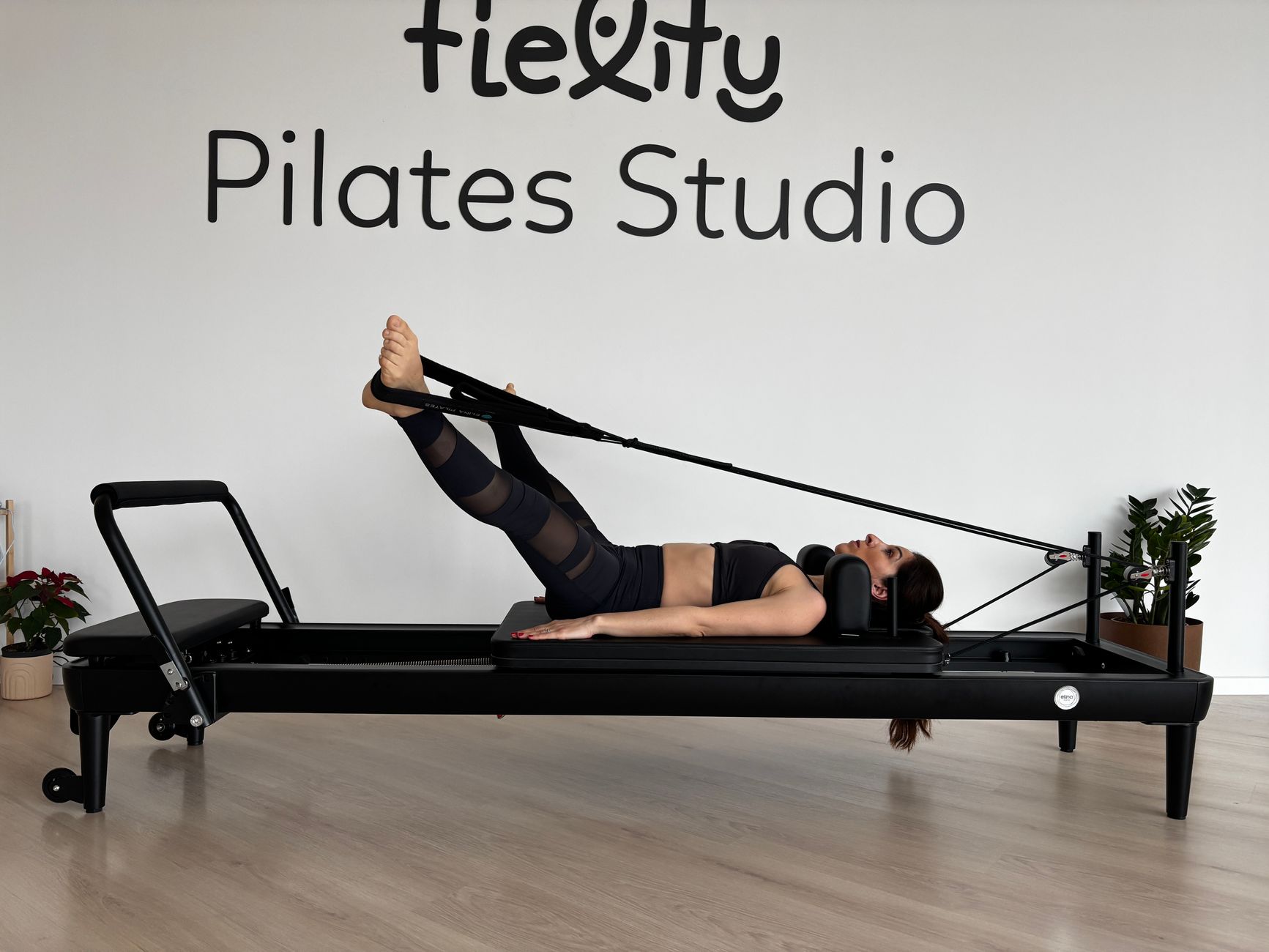
What Classical Footwork Is Actually Assessing
The Footwork series - heels, arches, toes, Tendon Stretch - is sequential for a reason. Each position shifts the demand up the chain. Heels on the bar require the most proximal stability: lumbar, sacral, hip. Moving to the arches changes the ankle demand but keeps the chain honest. By the time you reach Tendon Stretch, the entire posterior chain has been asked to participate.
Injury prevention in this context is not about stretching the right muscle after the fact. It’s about noticing, during the work, where the chain is refusing to engage. That refusal is not laziness. It’s protection. The body is guarding something, and the Footwork series is precise enough to locate where.
Recovery Starts With Reading, Not Fixing
The recovery application here is practical. After a period of back pain, hamstring strain, or even prolonged sitting - the kind that compresses the lumbar and shortens the hip flexors simultaneously - Footwork on the Reformer serves as a recalibration tool before more demanding work begins. Not because it’s easy, but because it’s specific.
Starting a session with Footwork after an injury isn’t scaling down. It’s choosing the most informative starting point available. The spring load, the carriage feedback, the fixed bar: all of it gives the nervous system something concrete to press against, and pressing against something honest is how real recovery begins.