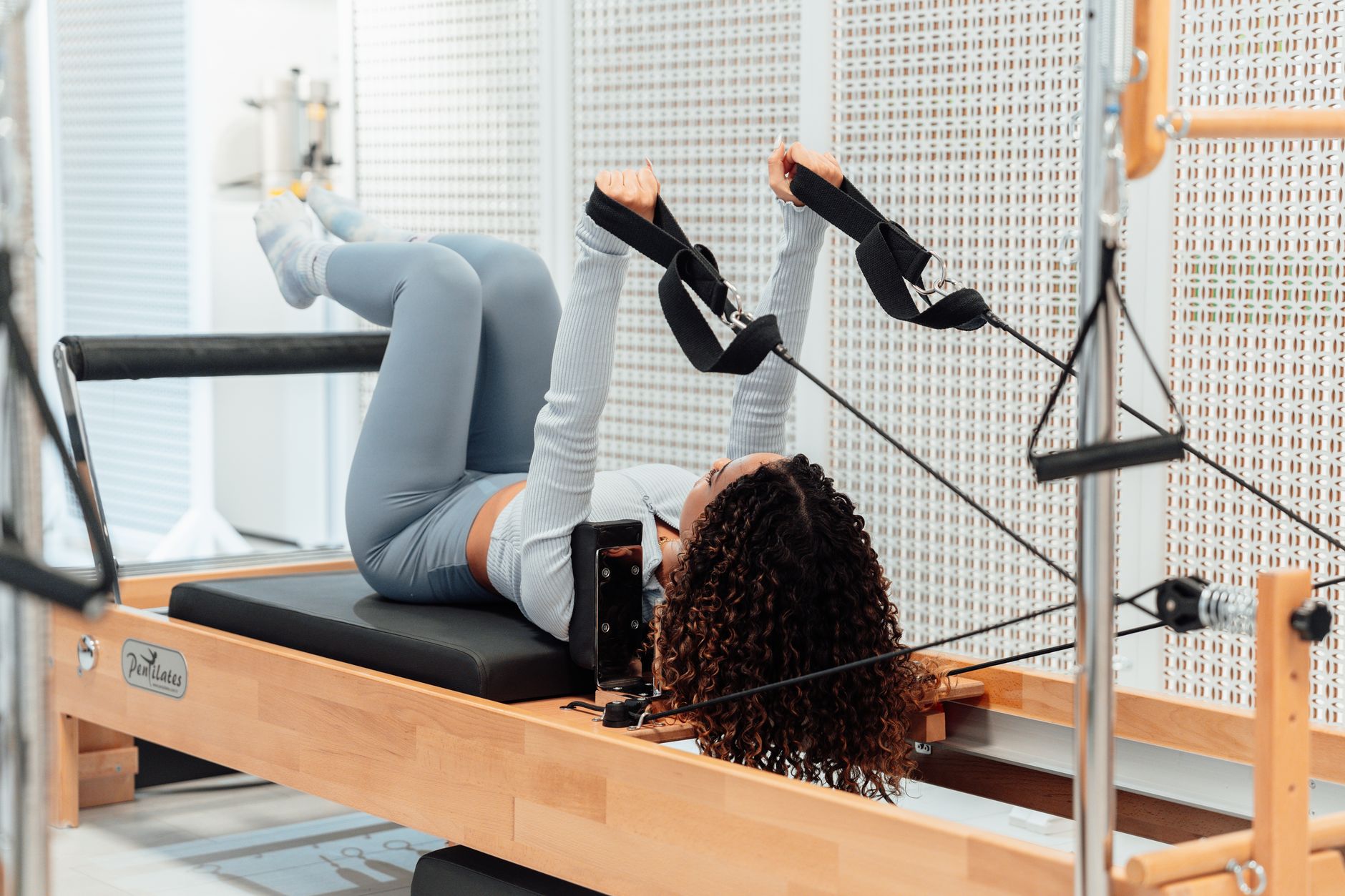
Somewhere around the fourth repetition of Long Stretch on the Reformer, I lost it. Not the position — the position held. I lost the why behind the position. The carriage was moving, my arms were working, my breath was technically timed. But I had drifted. I was thinking about the client coming in after my session, about whether I’d locked my car, about nothing related to what my body was actually doing.
That drift is information.
The Lapse Is the Practice
In Classical Pilates, concentration is listed as one of the foundational principles — not as an aspirational quality to build toward, but as a requirement from the first exercise. Joseph Pilates wrote that you should “think about what you are doing.” That sounds obvious until you realize how rarely it happens, even in people who have been practicing for years.
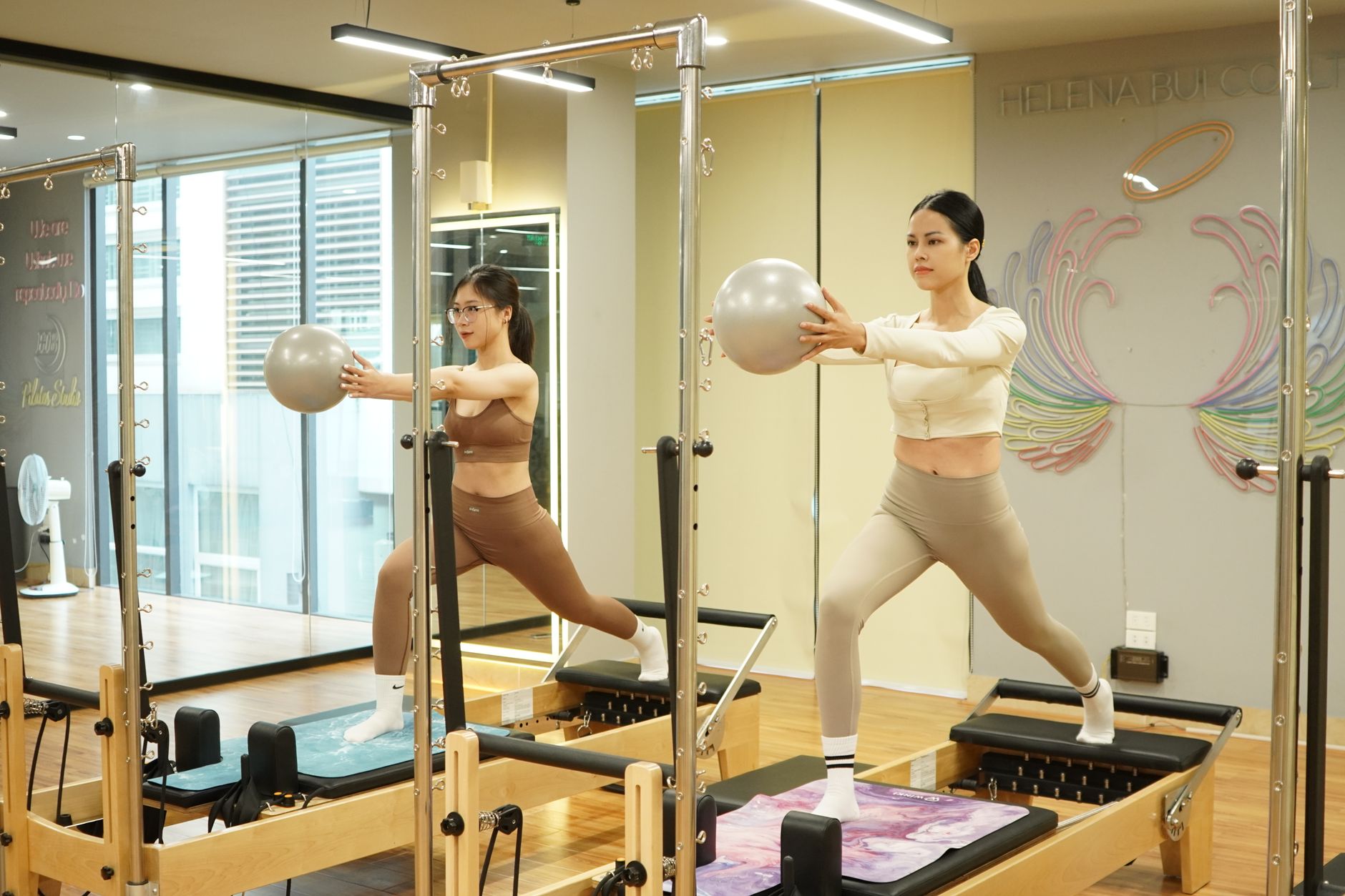
The moment I noticed I’d lost the thread was the moment I came back to it. That noticing — that small, sharp recognition of absence — is not a disruption to concentration. It is concentration functioning correctly. The mind catching itself wandering is a different thing entirely from the mind never catching it at all.
I reset. Found the connection between my heel pressure, my lats, and the resistance on the carriage. Finished the set with three repetitions that felt nothing like the four before them.
What Gets Exposed
I’ve observed this pattern in clients regularly. The repetitions before the lapse often look cleaner than the ones after the return — because compensation is smooth and automatic, while genuine engagement can look a little rawer, a little less polished. But the rawer version is the real one.
Losing the exercise mid-set is not a sign that your mind is undisciplined. It’s a sign that you’re doing something difficult enough to require actual presence. The work is in returning — not once, but every time.