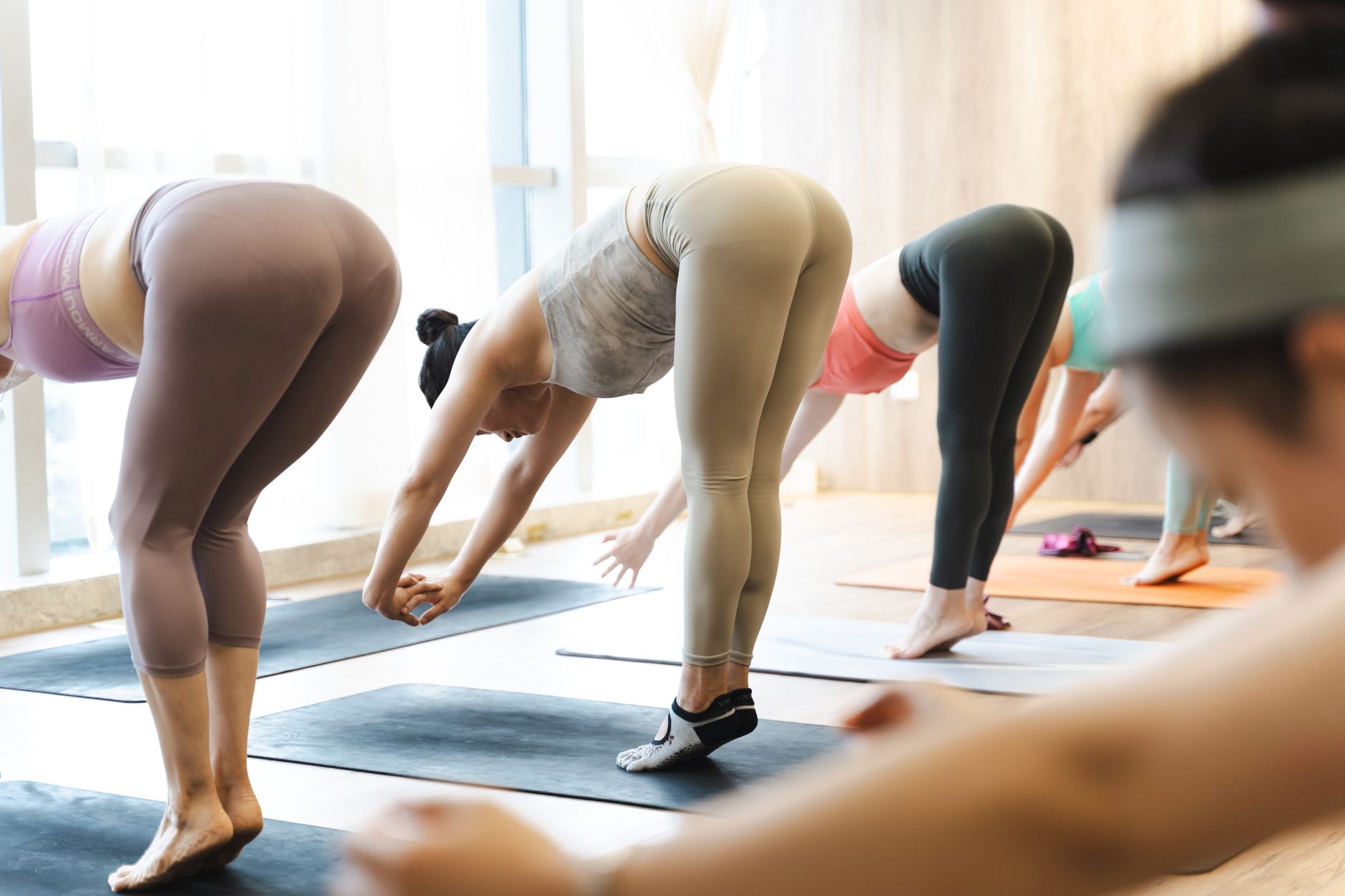
The first repetition in any exercise is often performance. Not dishonest, exactly - more like a first sentence that hasn’t settled into itself yet. I notice this on the reformer, usually around the Footwork series. A client presses out with conviction. The carriage moves cleanly. Everything looks right. But I watch the face, and what I see is effort directed outward - at the exercise itself, at doing it correctly, at being seen doing it correctly.
The second rep is different.
The body can only pretend for so long before attention becomes presence.
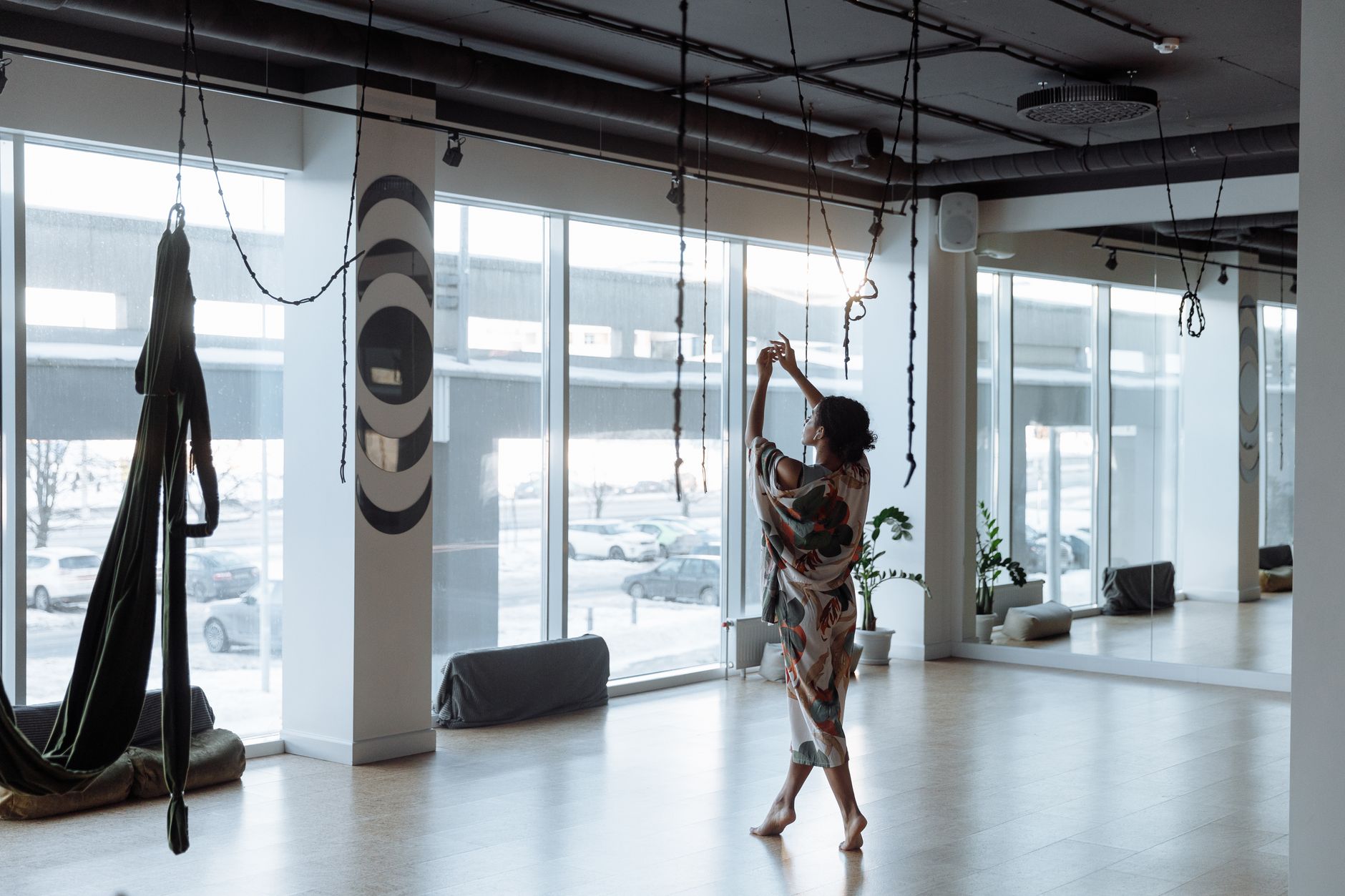
By the second repetition, something has been used up. The performance layer thins. What’s left is actual sensation - where the heel is really contacting the bar, whether the breath is genuinely moving or just being approximated, how much the inner thigh is contributing versus the quad taking over out of habit. This is not a failure of the first rep. The first rep is necessary. It establishes the shape. But the shape is not the work.
Concentration in Classical Pilates is not the same as focus. Focus is directional - you aim it at something. Concentration is more like a field that you either inhabit or you don’t. Joseph Pilates called it one of the six principles, and in my observation it’s the one most easily faked in the early reps and least fakeable as a session progresses.
I have started using this as a teaching cue: after the first repetition of anything, I ask the client what they felt. Not what they did - what they felt. The answers in the second rep tend to be more specific, more physical, and occasionally more surprising to the person giving them. That gap between rep one and rep two is where the actual lesson lives. Some days we never close it. Most days, we get closer than we expect.