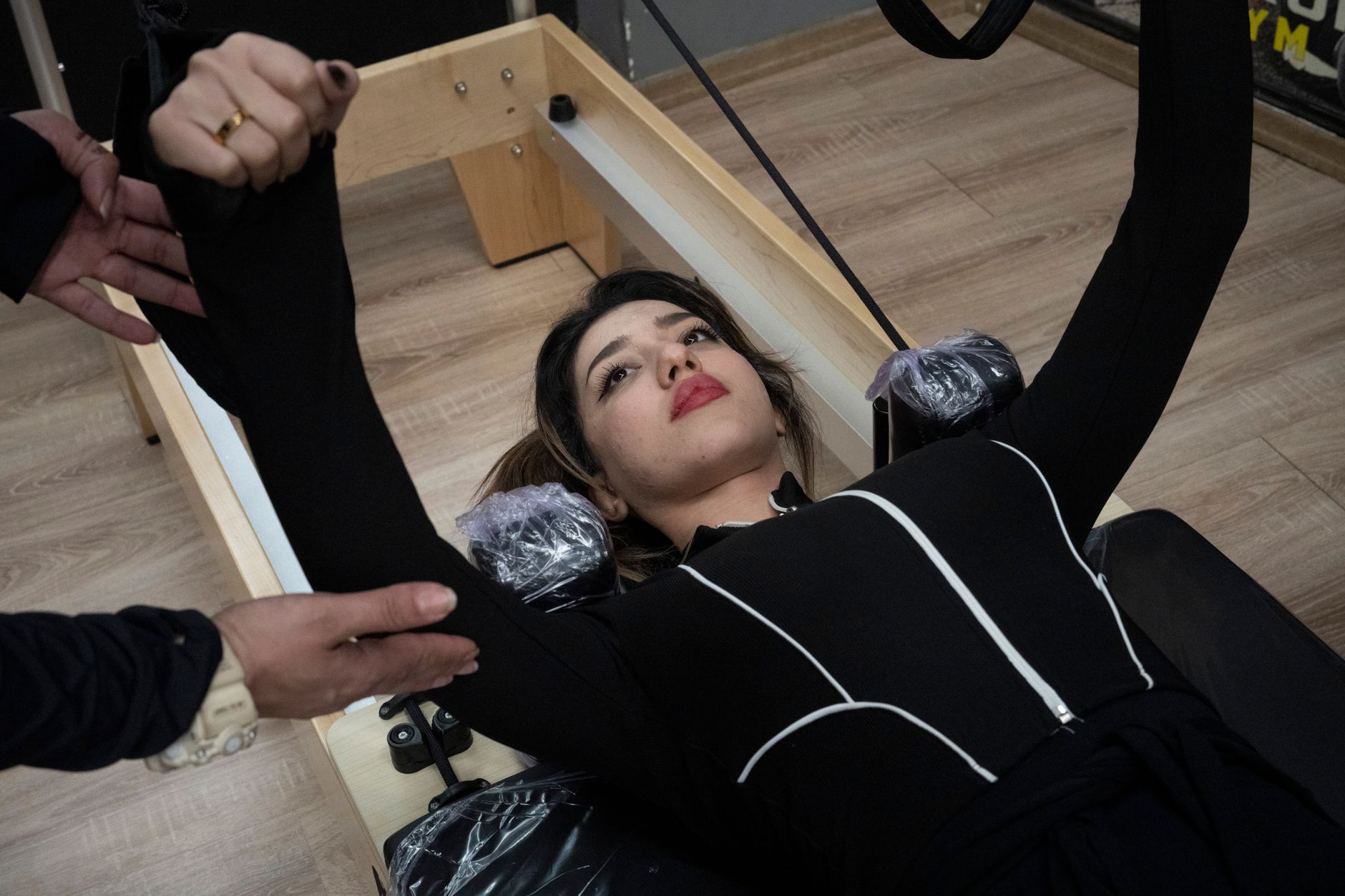
Calluses in the wrong place are a sign that something upstream is not doing its job. When the shoulder girdle is disorganized or the lats are absent, the hands compensate by gripping harder than they need to. Over time, that extra friction shows up on the skin — usually at the base of the fingers or along the outer palm — and most people treat it as a cosmetic issue or a sign they are working hard. It is neither.
What the Grip Reveals
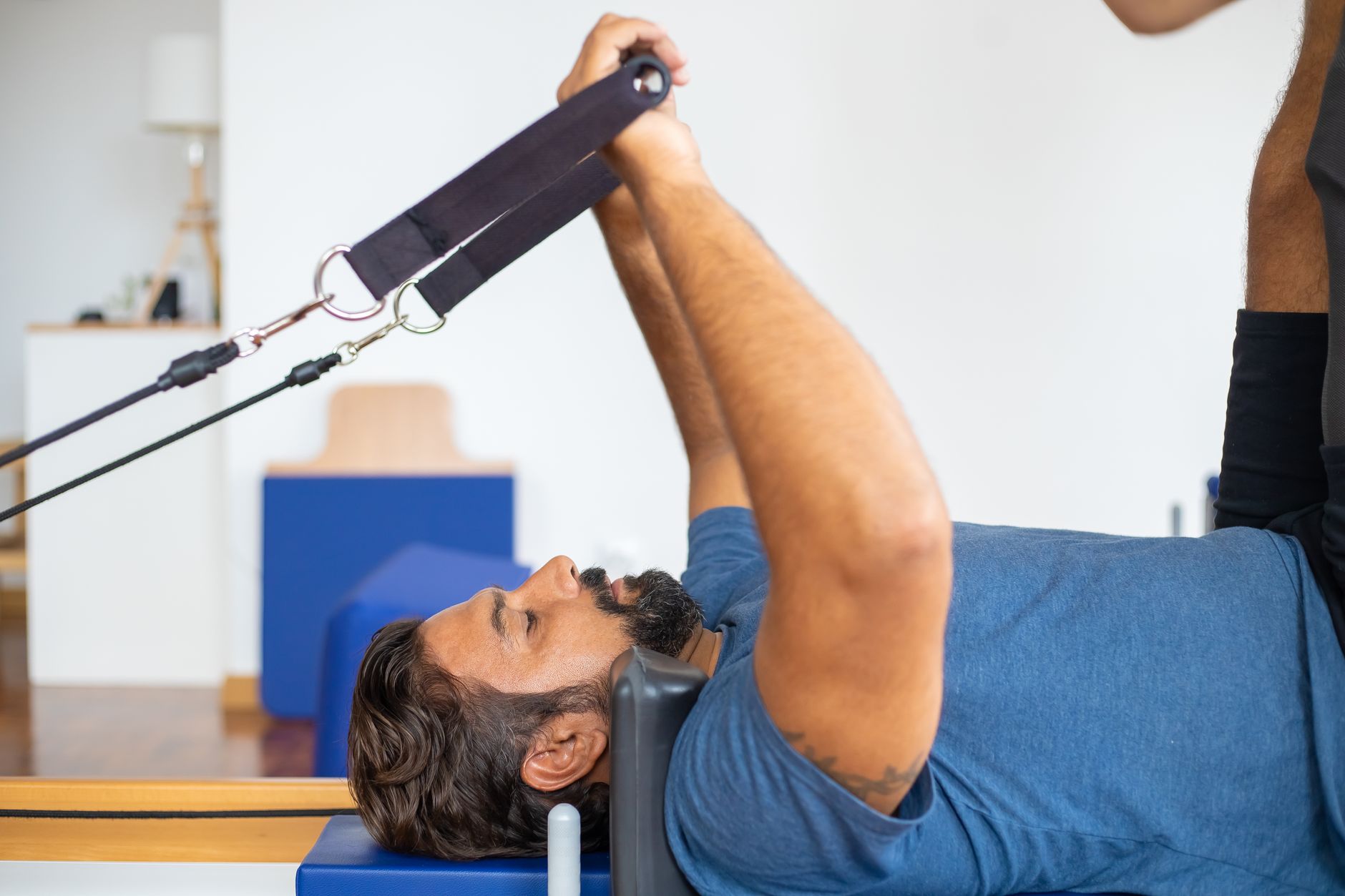
In classical Pilates, the hand is meant to transmit force, not generate it. On the foot bar, the straps, the push-through bar — the hand is a connector. When someone’s palm tears during Rowing or their fingers ache after Long Stretch, that is usually a gripping problem rooted in a proximal instability. The shoulder blade is not setting. The serratus is not engaging early enough. The load falls distally and the hand clamps down to compensate.
If you are building significant callus in the first few months of Pilates, it is worth asking what that grip is substituting for — not celebrating it.
The Recovery Side of This
Torn skin on the palm interrupts training in a specific way. It is not like a sore muscle that you can work through carefully. Raw skin on a grip surface means you either modify the hand contact entirely or you stop. For practitioners who train multiple times a week, that interruption compounds.
The practical response: keep the skin supple between sessions. Dry, tight skin tears more easily than skin that has some elasticity. This is not a spa recommendation — it is a mechanical one. Cracked, rigid skin at the base of the fingers has less tolerance for shear force. A simple unscented hand cream used consistently is enough.
More importantly, address the grip pattern itself before it damages the tissue.
The Cue That Changes Things
The most useful correction I have found is not “loosen your grip” — that tends to produce a limp, uninvested hand that creates its own problems. The cue that works better is “let the fingers be long.” A long finger implies a hand that is connected but not clenched. It opens the palm slightly, reduces the pinching at the base of the digits, and almost always prompts the shoulder to wake up and do its share of the work.
The skin on your hands is not the site of the problem. It is just the place where the problem becomes visible.