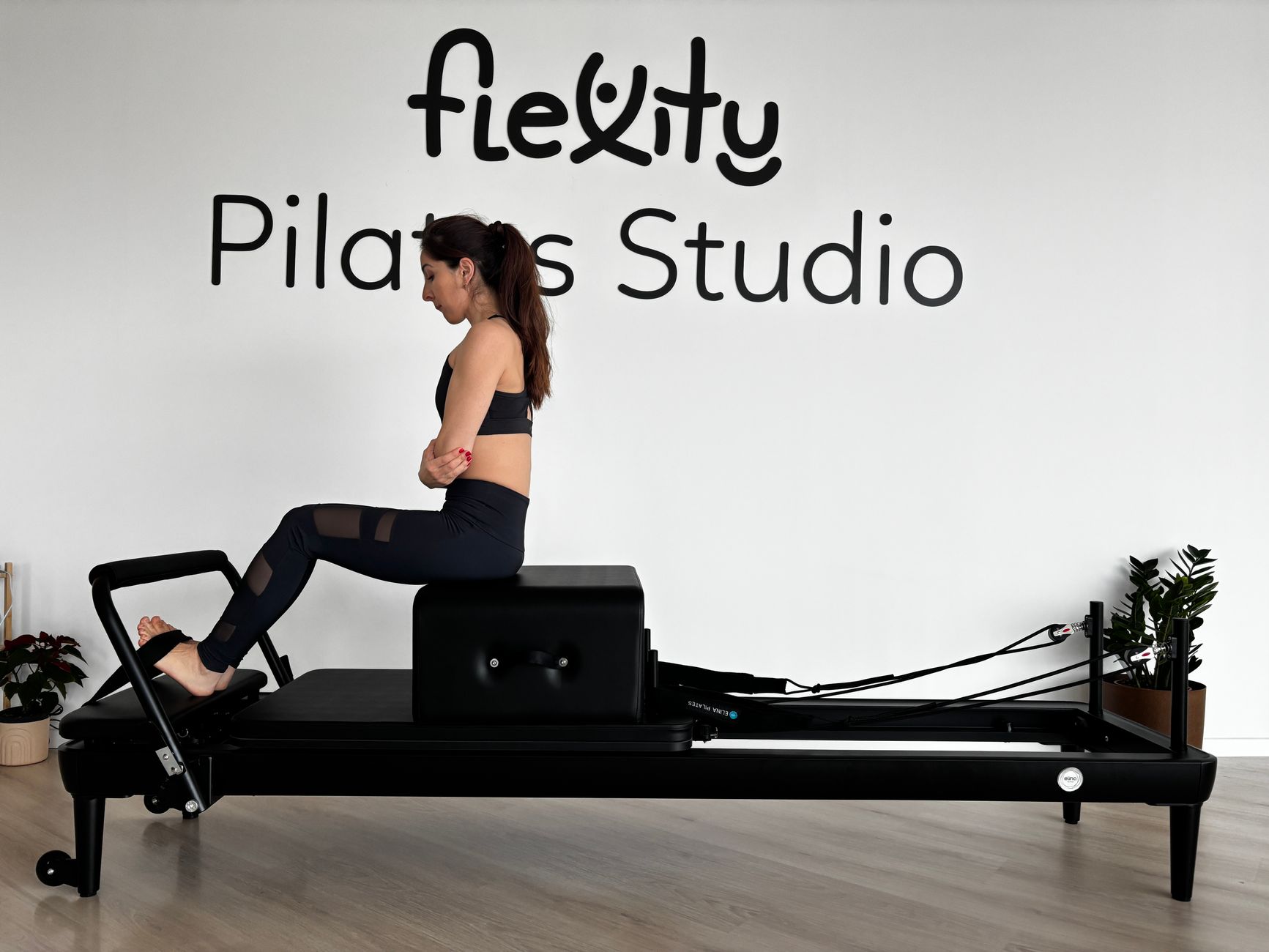
Somewhere around the third set of Footwork on the Reformer, the mind starts negotiating. Not the body — the mind. The legs can still push. The springs haven’t changed. But something in the head quietly begins shopping for an exit: Is this the last one? Did I lose count? Maybe I’ve done enough.
Fatigue doesn’t break the body first. It breaks the attention.
This is the moment I find most useful in my own practice. Not because pushing through it is virtuous, but because it’s honest. The first two sets of almost anything can be completed on muscle memory and good intentions. The third set strips that away. What’s left is whatever concentration I actually brought into the room — not the concentration I assumed I had.
Classical Pilates is built on this. Joseph Pilates wrote about the mind directing the body, not accompanying it. That distinction matters. Accompanying is passive. Directing requires continuous re-engagement, set after set, breath after breath. When fatigue arrives and the mind drifts first, it’s information.
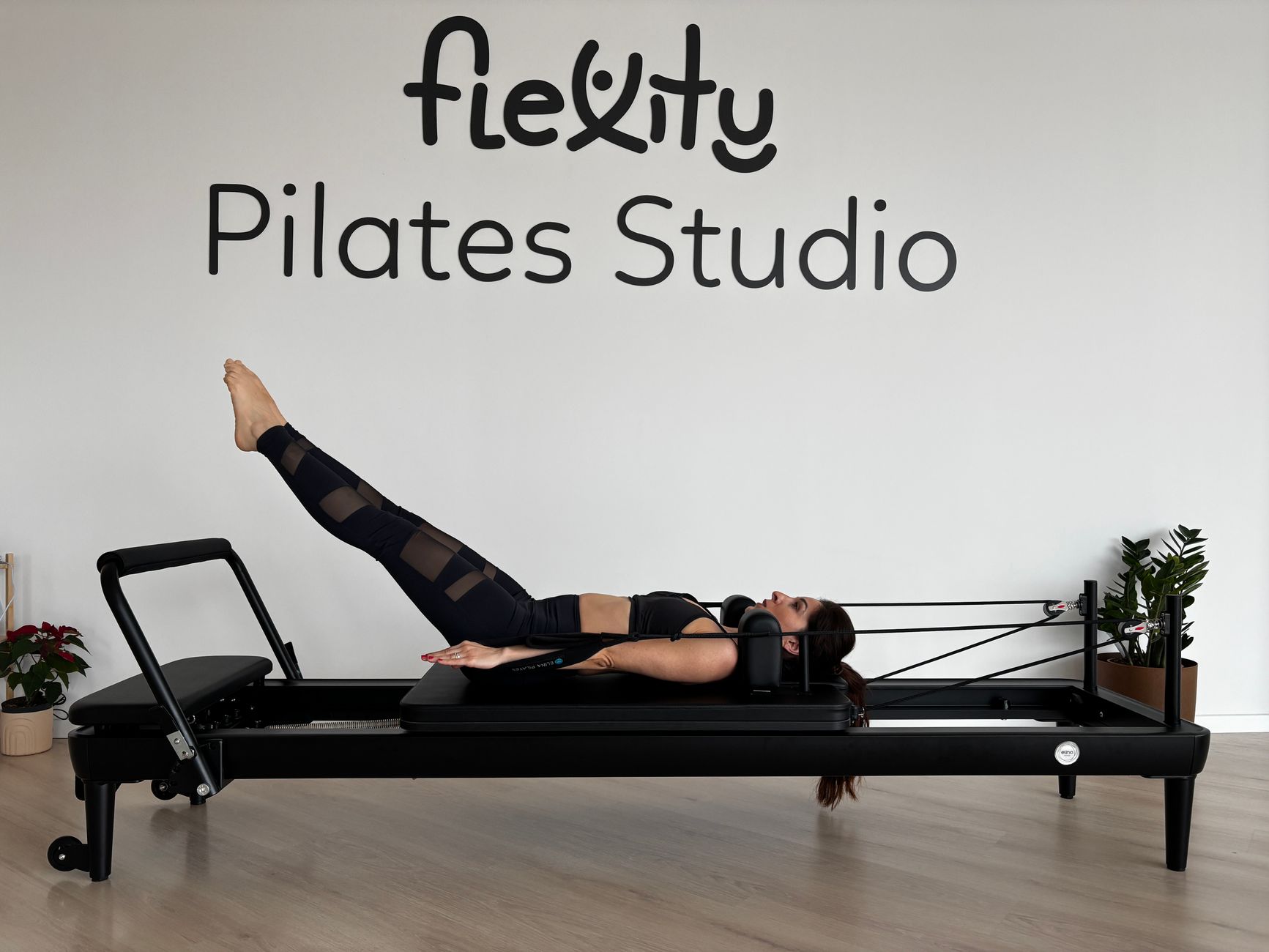
What I Do With That Information
I don’t fight the drift. I notice it, name it internally, and return to the specific cue I was working with — heel pressure, navel to spine, the back of the knee soft. One concrete physical anchor is more useful than a general instruction to “focus.” Abstract focus dissolves under fatigue. Specific sensation holds longer.
Some sessions the mind holds steadily through everything. Most sessions it doesn’t, and that’s fine. The practice isn’t about achieving a meditative state. It’s about noticing when you’ve left the work and returning to it — again and again, without drama.
The third set is just when that becomes unavoidable.